Fig. 1. Apple’s Carrier-Level Location Privacy Infographic. Jeremy Swenson and Open AI Chat GPT. 2026.
In January 2026, Apple quietly introduced a new privacy control in iOS 26.3 that allows users to limit the precision of location data shared with cellular carriers. While the feature’s initial rollout was narrow—restricted to select devices and carriers—it represents a significant shift in how location data is governed at the network level, with implications for legal investigations, platform competition, and data marketing strategies.1
Unlike app-level location permissions, which have been a focal point of mobile privacy debates for more than a decade, this control targets a less visible layer of the data stack: the information that cellular networks inherently collect as devices connect to towers. By allowing users to reduce carrier access to neighborhood-level rather than precise location data, Apple is challenging long-standing assumptions about the inevitability of carrier-side surveillance.
How the Feature Works—and Why It Matters
The new “Limit Precise Location” setting is found within Cellular Data Options on supported devices running iOS 26.3. When enabled, it reduces the granularity of location data available to participating carriers without degrading network performance or interfering with emergency services.2 Apple has emphasized that precise location data remains available to emergency responders and to apps that users have explicitly authorized, underscoring that the control is designed to limit passive collection rather than eliminate functionality.
At launch, the feature applies only to devices equipped with Apple’s newer C-series modems and is supported by a limited number of carriers, including Boost Mobile in the United States and select providers in Europe and Asia.2 This constrained availability reflects Apple’s vertically integrated approach to privacy: by controlling hardware, operating system, and key software layers, Apple can implement privacy protections that are difficult to standardize across more fragmented ecosystems.
Legal Investigation and Carrier Data: A Shifting Boundary
Carrier-level location data has long been a cornerstone of law-enforcement investigations. Historical cell-tower records can be used to infer a person’s movements, corroborate timelines, or establish proximity to crime scenes. As a result, carriers are frequent recipients of subpoenas and lawful data requests.
By limiting the precision of location data available at the carrier level, Apple’s new feature introduces friction into this investigative model. While it does not prevent lawful access to available data, it may reduce the specificity of records in cases where users have enabled the setting. This development raises important legal questions: if a platform offers a user-controlled mechanism that technically limits data collection, what obligations do carriers retain to preserve or disclose information that no longer exists in high-resolution form?
Security researchers and privacy advocates have framed the feature as a defensive response to the growing misuse of carrier data, including cases where location information has been sold, leaked, or exploited by criminal actors.3 From this perspective, the control is less about obstructing legitimate investigations and more about narrowing the attack surface of sensitive personal data.
Platform Strategy: Apple Versus Android
The contrast with Android is instructive. Android has made substantial progress in recent years with fine-grained app permissions, background location alerts, and transparency dashboards. However, it does not currently offer a system-level control that restricts the precision of location data shared directly with carriers.
This difference reflects deeper architectural realities. Android’s ecosystem spans multiple hardware manufacturers, modem vendors, and carrier customizations, making uniform carrier-level privacy controls difficult to deploy. Apple’s ability to design proprietary modems and tightly integrate them with iOS enables a level of privacy enforcement that is harder to replicate in a more open, modular platform.
From a strategic standpoint, this gives Apple a competitive narrative advantage: privacy not merely as policy, but as product design. While Android remains dominant globally in market share, Apple’s approach positions privacy as a premium feature tied to hardware, reinforcing brand trust among users who are increasingly sensitive to data misuse.
Privacy, Data Marketing, and Consumer Trust
Location data is among the most valuable assets in the data economy. It fuels targeted advertising, behavioral analytics, and predictive modeling across industries. Limiting carrier-level access does not eliminate these practices, but it does alter where and how data is collected.
Apple has been careful to frame this feature as part of a broader philosophy of data minimization rather than an absolute shield. App-level data collection, Wi-Fi triangulation, Bluetooth beacons, and other signals can still reveal detailed location information when users grant permission. The new control instead constrains a historically opaque channel of data flow that users rarely considered or understood.1
For consumers, this reinforces a key reality of modern privacy: meaningful control requires layered defenses. Carrier-level protections, app permissions, and informed usage patterns must work together. For data marketers and brokers, the shift signals a gradual tightening of default access to passive location data, encouraging greater reliance on consent-driven and aggregated sources.
Conclusion: Implications and Best Practices
Apple’s decision to limit precise location data shared with carriers marks an incremental but meaningful evolution in mobile privacy architecture. It highlights the growing tension between user autonomy, lawful access, and commercial data practices, while underscoring the strategic power of vertically integrated platforms.
Looking ahead, several implications stand out:
Legal frameworks may need to adapt to scenarios where high-resolution location data is no longer uniformly available at the carrier level.
Platform competition will increasingly hinge on architectural control, not just policy promises.
Data markets will continue shifting toward explicit consent and diversified data sources as passive collection channels narrow.
Best practices for consumers remain straightforward but essential:
Regularly review system-level and app-level privacy settings.
Understand the scope and limits of each control.
Grant precise location access only when it is necessary for functionality.
Stay informed about how platforms and carriers handle personal data.
Ultimately, Apple’s new feature does not end location tracking, nor does it resolve every privacy concern. What it does accomplish is more subtle—and more consequential: it redraws the boundary of what is considered acceptable default data collection in the mobile ecosystem, setting a precedent that others will be pressured to follow.
A major cyberattack brought critical systems across the City of St. Paul to a halt this week, prompting Governor Tim Walz to take the rare step of activating the Minnesota National Guard’s 177th Cyber Protection Team through Executive Order 24-25. The breach, which has yet to be fully disclosed in technical detail, forced the shutdown of municipal networks, libraries, payment systems, and internal applications—raising alarms about the fragility of local government infrastructure in the digital age.
This crisis has not only impacted operations but also exposed deeper vulnerabilities—from disruption of city services to potential legal and evidentiary breakdowns, especially concerning the chain of custody for digital evidence and sensitive case management platforms used by law enforcement and legal teams.
“The cyberattack… has resulted in a disruption of city services and operations, and the city has requested assistance from the State of Minnesota in the form of technical expertise and personnel,” Gov. Walz stated in the executive order. “The incident poses a threat to the delivery of critical government services.” (Walz, 2025)
Legal and Infrastructure Ramifications:
One often overlooked consequence of cyberattacks on public systems is the risk to legal integrity. City governments often store digital evidence for court cases, police body cam footage, and case records within networked systems. When such systems are compromised or taken offline, the chain of custody—a legal requirement for maintaining the integrity of evidence—may be broken. This could lead to dismissed charges, delayed court proceedings, or contested verdicts.
Beyond the courts, St. Paul’s systems underpin essential infrastructure. From 911 backend operations to building permits, utility management, and emergency communications, these disruptions ripple into residents’ lives and civic trust. Any delay in fire dispatch systems, real-time weather alerts, or even payroll processing for emergency responders can escalate into broader crisis.
Why Public-Private Partnerships Are Essential:
The attack illustrates the need for stronger collaboration between public entities and private cybersecurity firms. Municipalities often operate with limited budgets, aging infrastructure, and insufficient security staff. In contrast, private-sector vendors—ranging from cloud security providers to endpoint monitoring specialists—offer scalable defenses and expertise that cities can’t always sustain in-house.
Governor Walz’s executive order underscores this reality, stating:
“Cooperation between the Minnesota Department of Information Technology Services (MNIT), the National Guard, and other partners is necessary to protect public assets and respond to cybersecurity threats.” (Walz, 2025)
This partnership must also extend beyond technical vendors. Insurance carriers, legal risk consultants, and incident response firms should be part of proactive city planning, not just post-breach triage.
The Human Factor: Employee Training Matters:
While technical systems are critical, human error remains the top vector for cyberattacks, especially through phishing and social engineering. A well-crafted phishing email clicked by a single city employee can introduce malware into core systems.
St. Paul’s situation shows how cybersecurity education is no longer optional. Ongoing staff training—including:
Simulated phishing attacks
Clear escalation protocols
“Stop and verify” culture for email attachments and access requests
…is essential. Cities should treat their staff as the first line of defense, not just passive users.
The Road Ahead: What Cities Must Do Now:
The cyberattack on St. Paul should serve as a regional and national inflection point. Other cities must take this as a cue to reassess their cyber posture through the following:
Strategic Priorities:
Zero Trust Implementation Limit internal access and require constant authentication, even for trusted users.
Third-Party Risk Audits Review vendors, contractors, and outsourced services for security gaps.
Resilient Backup and Recovery Ensure data is stored offsite and tested regularly for recovery readiness.
Legal and Digital Forensics Planning Build frameworks for protecting the chain of custody in case of breach.
Integrated Public-Private Playbooks Define shared roles between city staff, Guard units, and private partners in cyber response drills.
Community Transparency Proactively inform the public about risks, responses, and what’s being done to rebuild digital trust.
Final Thoughts:
The breach in St. Paul is not just a local IT issue—it is a civic security event that affects courts, emergency services, legal integrity, and public confidence. Governor Walz’s activation of the National Guard is a bold signal that digital defense is now a matter of public safety.
“Immediate action is necessary to provide technical support and ensure continuity of operations,” reads Executive Order 24-25 (Walz, 2025).
Moving forward, public-private partnerships, cybersecurity training, and legal readiness must become foundational to how cities govern in the digital era. The stakes are no longer theoretical—they are real, operational, and deeply human.
Jeremy Swenson is a disruptive-thinking security entrepreneur, futurist/researcher, and senior management tech risk consultant. Over 17 years, he has held progressive roles at many banks, insurance companies, retailers, healthcare organizations, and even government entities. Organizations appreciate his talent for bridging gaps, uncovering hidden risk management solutions, and simultaneously enhancing processes. He is a frequent speaker, podcaster, and a published writer – CISA Magazine and the ISSA Journal, among others. He holds a certificate in Media Technology from Oxford University’s Media Policy Summer Institute, an MBA from Saint Mary’s University of MN, an MSST (Master of Science in Security Technologies) degree from the University of Minnesota, and a BA in political science from the University of Wisconsin Eau Claire. He is an alum of the Cyber Security Summit Think Tank , the Federal Reserve Secure Payment Task Force, the Crystal, Robbinsdale and New Hope Citizens Police Academy, and the Minneapolis FBI Citizens Academy. He also has certifications from Intel and the Department of Homeland Security.
Fig. 1. DeepSeek and Global AI Change Infographic, Jeremy Swenson, 2025.
Minneapolis—
DeepSeek, the Chinese artificial intelligence company founded by Liang Wenfeng and backed by High-Flyer, has continued to redefine the AI landscape since the explosive launch of its R1 model in late January 2025. Emerging from a background in quantitative trading and rapidly evolving into a pioneer in open-source LLMs, DeepSeek now stands as a formidable competitor to established systems like OpenAI’s ChatGPT and Microsoft’s proprietary models available on Azure AI. This article provides an expanded analysis of DeepSeek R1’s technical innovations, detailed comparisons with ChatGPT and Microsoft Azure AI offerings, and the broader economic, cybersecurity, and geopolitical implications of its emergence.
Technical Innovations and Architectural Advances:
Novel Training Methodologies DeepSeek R1 leverages a cutting-edge combination of pure reinforcement learning and chain-of-thought prompting to achieve human-like reasoning in tasks such as advanced mathematics and code generation. Unlike traditional LLMs that rely heavily on supervised fine-tuning, DeepSeek’s R1 is engineered to autonomously refine its reasoning steps, resulting in greater clarity and efficiency. In early benchmarking tests, R1 demonstrated the ability to solve multi-step arithmetic problems in approximately three minutes—substantially faster than ChatGPT’s o1 model, which typically required five minutes (Sayegh, 2025).
Cloud Integration and Open-Source Deployment One of R1’s key strengths lies in its open-source availability under an MIT license, a stark contrast to the closed ecosystems of its Western counterparts. Major cloud platforms have rapidly integrated R1: Amazon has deployed it via the Bedrock Marketplace and SageMaker, and Microsoft has incorporated it into its Azure AI Foundry and GitHub model catalog. This wide accessibility not only allows for extensive external scrutiny and customization but also enables enterprises to deploy the model locally, ensuring that sensitive data remains under domestic control (Yun, 2025; Sharma, 2025).
Detailed Comparison with ChatGPT:
Performance and Reasoning Clarity ChatGPT’s o1 model has been widely recognized for its robust reasoning capabilities; however, its closed-source nature limits transparency. In direct comparisons, DeepSeek R1 has shown parity—and in some cases superiority—with respect to reasoning clarity. Independent tests by developers indicate that R1’s intermediate reasoning steps are more comprehensible, facilitating easier debugging and iterative query refinement. For example, in complex multi-step problem-solving scenarios, R1 not only delivered correct solutions more rapidly but also provided detailed, human-like explanations of its thought process (Sayegh, 2025).
Cost Efficiency and Accessibility While premium access to ChatGPT’s capabilities can cost users upwards of $200 per month, DeepSeek R1 offers its advanced functionalities free of charge. This dramatic reduction in cost is achieved through efficient use of computational resources. DeepSeek reportedly trained R1 using only 2,048 Nvidia H800 GPUs at an estimated cost of $5.6 million—an expenditure that is a fraction of the resources typically required by U.S. competitors (Waters, 2025). Such cost efficiency democratizes access to high-performance AI, providing significant advantages for startups, academic institutions, and small businesses.
Detailed Comparison with Microsoft Azure AI:
Integration with Enterprise Platforms Microsoft has long been a leader in providing enterprise-grade AI solutions via Azure AI. Recently, Microsoft integrated DeepSeek R1 into its Azure AI Foundry, offering customers an additional open-source option that complements its proprietary models. This integration allows organizations to leverage R1’s powerful reasoning capabilities while enjoying the benefits of Azure’s robust security, compliance, and scalability. Unlike some closed-source models that require extensive licensing fees, R1’s open-access nature under Azure enables organizations to tailor the model to their specific needs, maintaining data sovereignty and reducing operational costs (Sharma, 2025).
Performance in Real-World Applications In practical applications, users on Azure have reported that DeepSeek R1 not only matches but sometimes exceeds the performance of traditional models in complex reasoning and mathematical problem-solving tasks. By deploying R1 locally via Azure, enterprises can ensure that sensitive computations are performed in-house, thereby addressing critical data privacy concerns. This localized approach is particularly valuable in regulated industries, where strict data governance is paramount (FT, 2025).
Market Reactions and Economic Implications:
Immediate Market Response and Stock Volatility The initial launch of DeepSeek R1 triggered a significant market reaction, most notably an 18% plunge in Nvidia’s stock as investors reassessed the cost structures underlying AI development. The disruption led to a combined market value wipeout of nearly $1 trillion across tech stocks, reflecting widespread concern over the implications of achieving top-tier AI performance with significantly lower computational expenditure (Waters, 2025).
Long-Term Investment Perspectives Despite the short-term volatility, many analysts view the current market corrections as a temporary disruption and a potential buying opportunity. The cost-efficient and open-source nature of R1 is expected to drive broader adoption of advanced AI technologies across various industries, ultimately spurring innovation and generating new revenue streams. Major U.S. technology firms, in response, are accelerating initiatives like the Stargate Project to bolster domestic AI infrastructure and maintain global competitiveness (FT, 2025).
Cybersecurity, Data Privacy, and Regulatory Reactions:
Governmental Bans and Regulatory Scrutiny DeepSeek’s practice of storing user data on servers in China and its adherence to local censorship policies have raised significant cybersecurity and privacy concerns. In response, U.S. lawmakers have proposed bipartisan legislation to ban DeepSeek’s software on government devices. Similar regulatory actions have been taken in Australia, South Korea, and Canada, reflecting a global trend of caution toward technologies with potential national security risks (Scroxton, 2025).
Security Vulnerabilities and Red-Teaming Results Independent cybersecurity tests have revealed that R1 is more prone to generating insecure code and harmful outputs compared to some Western models. These findings have prompted calls for more rigorous red-teaming and continuous monitoring to ensure that the model can be safely deployed at scale. The vulnerabilities underscore the necessity for both DeepSeek and its adopters to implement robust safety protocols to mitigate potential misuse (Agarwal, 2025).
Geopolitical and Strategic Implications:
Challenging U.S. AI Dominance DeepSeek R1’s emergence is a clear signal that high-performance AI can be developed without the massive resource investments traditionally associated with U.S. models. This development challenges the long-standing assumption of American technological supremacy and has prompted a strategic reevaluation among U.S. policymakers and industry leaders. In response, initiatives such as Microsoft’s Stargate Project are being accelerated to ensure that the U.S. maintains its competitive edge in the global AI arena (Karaian & Rennison, 2025).
Localized AI Ecosystems and Data Sovereignty To mitigate cybersecurity risks, several U.S. companies are now repackaging R1 for localized deployment. By ensuring that sensitive data remains on domestic servers, these firms are not only addressing privacy concerns but also paving the way for the creation of robust, localized AI ecosystems. This trend could ultimately reshape global data governance practices and alter the balance of technological power between the U.S. and China (von Werra, 2025).
Conclusion and Future Outlook:
DeepSeek R1 represents a watershed moment in the global AI race. Its technical innovations, cost efficiency, and open-source approach challenge entrenched assumptions about the necessity of massive compute power and proprietary control. In direct comparisons with systems like ChatGPT’s o1 and Microsoft’s Azure AI offerings, R1 demonstrates superior transparency and operational speed, while also offering unprecedented accessibility. Despite ongoing cybersecurity and regulatory challenges, the disruptive impact of R1 is catalyzing a broader realignment in AI development strategies. As both U.S. and Chinese technology ecosystems adapt to these shifts, the future of AI appears poised for a more democratized, competitively diverse, and strategically complex evolution.
About The Author:
Jeremy A. Swenson is a disruptive-thinking security entrepreneur, futurist/researcher, and seasoned senior management tech risk and digital strategy consultant. He is a frequent speaker, published writer, podcaster, and even does some pro bono consulting in these areas. He holds a certificate in Media Technology from Oxford University’s Media Policy Summer Institute, an MSST (Master of Science in Security Technologies) degree from the University of Minnesota’s Technological Leadership Institute, an MBA from Saint Mary’s University of Minnesota, and a BA in political science from the University of Wisconsin Eau Claire. He is an alum of the Federal Reserve Secure Payment Task Force, the Crystal, Robbinsdale, and New Hope Community Police Academy (MN), and the Minneapolis FBI Citizens Academy. You can follow him on LinkedIn and Twitter.
Fig. 1. Digital Horizons Infographic, Jeremy Swenson, 2025.
Minneapolis—
The rapid technological developments of 2024 have established a foundation for significant shifts in artificial intelligence (AI), cybersecurity, digital strategy, and cryptocurrency. Business executives, policy leaders, and tech enthusiasts must pay attention to these key learnings and trends as they navigate the opportunities and challenges of 2025 and beyond. Here are eight insights to keep in mind.
1. AI Alignment with Business Goals:
2024 underscored the importance of aligning AI initiatives with overarching business strategies. Companies that successfully integrated AI into their workflows—particularly in areas like customer service automation, predictive analytics, tech orchestration, and supply chain optimization—reported not only significant productivity gains but also enhanced customer satisfaction. For instance, AI-powered tools allowed firms to anticipate customer needs with remarkable accuracy, leading to a 35% improvement in retention rates. However, misalignment of AI projects often resulted in wasted resources, showcasing the need for thorough planning. To succeed in 2025, organizations must create cross-functional AI task forces and establish KPIs tailored to their unique business objectives.[1]
2. The Rise of Responsible AI:
As AI adoption grows, so does scrutiny over its ethical implications. 2024 saw regulatory frameworks such as the EU’s AI Act and similar policies in Asia gain traction, emphasizing transparency, accountability, and fairness in AI deployments. Companies that proactively implemented explainable AI models—capable of detailing how decisions are made—not only avoided legal risks but also gained consumer trust. Moreover, organizations adopting responsible AI practices observed better team morale, as employees felt more confident about using ethically sound tools. The NIST AI Risk Management Framework is a good start. Leaders in 2025 must view responsible AI as a strategic advantage, embedding ethical considerations into every stage of AI development.[2]
3. Cyber Resilience Becomes Non-Negotiable:
The escalation of sophisticated cyber threats—including AI-driven malware and deepfake fraud—led to a dramatic increase in cybersecurity investments. Many businesses adopted zero-trust models, ensuring that no user or device is trusted by default, even within corporate networks. Product owners must build products with a DevSecOps mindset and must think out misuse cases from many angles. Additionally, the integration of machine learning for anomaly detection enabled real-time identification of threats, reducing breach response times by over 50%. As the cost of cybercrime is projected to exceed $10 trillion globally by 2025, organizations must prioritize cyber resilience through advanced threat intelligence, employee training, and frequent vulnerability assessments. Cyber resilience is no longer a luxury but a fundamental pillar of operational stability.[3]
4. Quantum Readiness Emerges as a Critical Strategy:
Quantum computing made significant strides in 2024, with breakthroughs in error correction and hardware scalability bringing the technology closer to mainstream use. While practical quantum computers remain years away, their potential to break traditional encryption methods has already prompted a cybersecurity rethink. Forward-looking organizations have begun transitioning to quantum-safe cryptographic algorithms, ensuring that their sensitive data remains secure against future quantum attacks. Industries like finance and healthcare—where data sensitivity is paramount—are leading the charge. By adopting a proactive quantum readiness strategy, businesses can mitigate long-term risks and position themselves as leaders in a post-quantum era.[4]
5. The Blockchain Renaissance:
Blockchain technology continued to evolve beyond its cryptocurrency roots in 2024, finding innovative applications in sectors such as logistics, healthcare, and real estate. For example, blockchain’s immutable ledger capabilities enabled unprecedented transparency in supply chains, reducing fraud and enhancing consumer trust. Meanwhile, the tokenization of physical assets, such as real estate and fine art, democratized access to investment opportunities, attracting a broader range of participants. Organizations leveraging blockchain reported reduced operational costs and faster transaction times, proving that the technology’s value extends far beyond speculation. In 2025, businesses must explore blockchain’s potential as a tool for enhancing efficiency and fostering trust.[5]
6. Employee Upskilling for Digital Transformation:
The digital skills gap emerged as a critical bottleneck in 2024, prompting organizations to invest heavily in workforce development. Comprehensive upskilling programs focused on AI literacy, cybersecurity awareness, and digital strategy were launched across industries. Employees equipped with these skills demonstrated greater adaptability and productivity, enabling their organizations to better navigate technological disruptions. Additionally, companies that prioritized learning cultures saw higher retention rates, as employees valued the investment in their professional growth. As digital transformation accelerates, the ability to upskill and reskill the workforce will be a key differentiator for organizations aiming to remain competitive.[6]
7. Convergence of AI and IoT:
The integration of AI and the Internet of Things (IoT) reached new heights in 2024, driving advancements in smart factories, connected healthcare, and autonomous vehicles. AI-enabled IoT devices allowed businesses to predict equipment failures before they occurred, reducing downtime and maintenance costs by up to 20%. In healthcare, AI-powered wearable devices provided real-time insights into patient health, enabling early intervention and personalized treatment plans. The growing adoption of edge computing further enhanced the responsiveness of AI-IoT systems, enabling real-time decision-making at the device level. This convergence is set to redefine operational efficiency and customer experiences in 2025 and beyond.[7]
8. The Decentralized Finance (DeFi) Evolution:
Decentralized Finance (DeFi) continued to mature in 2024, overcoming early criticisms of security vulnerabilities and lack of regulation. Enhanced interoperability between DeFi platforms and traditional financial systems enabled seamless cross-border transactions, attracting institutional investors. Innovations such as decentralized insurance and automated compliance tools further bolstered confidence in the ecosystem. As traditional banks increasingly explore blockchain for settlement and lending services, the line between centralized and decentralized finance is beginning to blur. In 2025, DeFi’s scalability and innovation are poised to challenge the dominance of legacy financial institutions, creating new opportunities for both consumers and businesses.[8]
Looking Ahead:
The intersection of AI, cybersecurity, digital strategy, and cryptocurrency offers unprecedented opportunities for value creation. However, success will hinge on leaders’ ability to navigate complexity, embrace innovation, foster outstanding leadership, and prioritize ethical stewardship. As these trends continue to evolve, businesses must remain agile and forward-thinking.
About the Author:
Jeremy A. Swenson is a disruptive-thinking security entrepreneur, futurist/researcher, and seasoned senior management tech risk and digital strategy consultant. He is a frequent speaker, published writer, podcaster, and even does some pro bono consulting in these areas. He holds a certificate in Media Technology from Oxford University’s Media Policy Summer Institute, an MSST (Master of Science in Security Technologies) degree from the University of Minnesota’s Technological Leadership Institute, an MBA from Saint Mary’s University of Minnesota, and a BA in political science from the University of Wisconsin Eau Claire. He is an alum of the Federal Reserve Secure Payment Task Force, the Crystal, Robbinsdale, and New Hope Community Police Academy (MN), and the Minneapolis FBI Citizens Academy. You can follow him on LinkedIn and Twitter.
Footnotes:
Smith, J. (2024). “AI’s Business Integration Challenges.” Tech Review.
European Commission. (2024). “AI Act Regulatory Guidelines.” EU Tech Law Journal.
Cybersecurity Ventures. (2024). “The Cost of Cybercrime: Annual Report.”
Quantum Computing Report. (2024). “Quantum Progress and Cryptographic Implications.”
Blockchain Association. (2024). “The Blockchain Beyond Crypto Study.”
World Economic Forum. (2024). “The Future of Work: Digital Upskilling.”
IoT Analytics. (2024). “The AI-IoT Convergence Report.”
DeFi Pulse. (2024). “State of Decentralized Finance.”
Artificial Intelligence (AI) continues to drive massive innovation across industries, reshaping business operations, customer interactions, and cybersecurity landscapes. As AI’s capabilities grow, companies are leveraging key trends to stay competitive and secure. Below are six crucial AI trends transforming businesses today, alongside critical insights on securing AI infrastructure, promoting responsible AI use, and enhancing workforce efficiency in a digital world.
1. Generative AI’s Creative Expansion
Generative AI, known for producing content from text and images to music and 3D models, is expanding its reach into business innovation.[1] AI systems like GPT-4 and DALL·E are being applied across industries to automate creativity, allowing businesses to scale their marketing efforts, design processes, and product innovation.
Business Application: Marketing teams are using generative AI to create personalized, dynamic campaigns across digital platforms. Coca-Cola and Nike, for instance, have employed AI to tailor advertising content to different customer segments, improving engagement and conversion rates. Product designers in industries like fashion and automotive are also using generative models to prototype new designs faster than ever before.
2. AI-Powered Personalization
AI’s ability to analyze vast datasets in real time is driving hyper-personalized experiences for consumers. This trend is especially important in sectors like e-commerce and entertainment, where personalized recommendations significantly impact user engagement and loyalty.
Business Application: Streaming platforms like Netflix and Spotify rely on AI algorithms to provide tailored content recommendations based on users’ preferences, viewing habits, and search history.[2] Retailers like Amazon are also leveraging AI to offer personalized shopping experiences, recommending products based on past purchases and browsing behavior, further boosting customer satisfaction.
3. AI-Driven Automation in Operations
Automation powered by AI is optimizing operations and processes across industries, from manufacturing to customer service. By automating repetitive and manual tasks, businesses are reducing costs, improving efficiency, and reallocating resources to higher-value activities.
Business Application: Tesla and Siemens are implementing AI in robotic process automation (RPA) to streamline production lines and monitor equipment for potential breakdowns. In customer service, AI chatbots and virtual assistants are being used to handle routine inquiries, providing real-time support to customers while freeing human agents to address more complex issues.
4. Securing AI Infrastructure and Development Practices
As AI adoption grows, so does the need for robust security measures to protect AI infrastructure and development processes. AI systems are vulnerable to cyberattacks, data breaches, and unauthorized access, highlighting the importance of securing AI from development to deployment.
Business Application: Organizations are recognizing the importance of securing AI models, data, and networks through multi-layered security frameworks. The U.S. AI Safety Institute Consortium is actively developing guidelines for AI safety and security, including red-teaming and risk management practices, to ensure AI systems are resilient to attacks. DevSecOps needs to be on the front end of this. To address challenges in securing AI, companies are pushing for standardization in AI audits and evaluations, ensuring consistency in security practices across industries.
5. AI in Predictive Analytics and Decision-Making
Predictive analytics, powered by AI, is enabling companies to forecast trends, predict consumer behavior, and make data-driven decisions with greater accuracy. This is particularly valuable in finance, healthcare, and retail, where anticipating demand or market shifts can lead to significant competitive advantages.
Business Application: Financial institutions like JPMorgan Chase are using AI for predictive analytics to evaluate market conditions, identify investment opportunities, and manage risk.[3] Retailers such as Walmart are employing AI to forecast inventory needs, helping to optimize supply chains and reduce waste. Predictive analytics also allows companies to make proactive decisions regarding customer retention and product development.
6. AI for Enhanced Cybersecurity
AI plays an increasingly pivotal role in improving cybersecurity defenses. AI-driven systems are capable of detecting anomalies, identifying potential threats, and responding to attacks in real-time, offering advanced protection for both physical and digital assets.
Business Application: Leading organizations are integrating AI into cybersecurity protocols to automate threat detection and enhance system defenses. IBM’s AI-powered QRadar platform helps companies identify and respond to cyberattacks by analyzing network traffic and detecting unusual activity.[4] AI systems are also improving identity authentication through biometrics, ensuring that only authorized users gain access to sensitive data.
Moreover, businesses are adopting AI governance frameworks to secure their AI infrastructure and ensure ethical deployment. Evaluating risks associated with open- and closed-source AI development allows for transparency and the implementation of tailored security strategies across sectors.
7. Promoting Responsible AI Use and Security Governance
Beyond technical innovation, AI governance and responsible use are paramount to ensure that AI is developed and applied ethically. Promoting responsible AI use means adhering to best practices and security standards to prevent misuse and unintended harm. The NIST AI risk management framework is a good reference for this.[5]
Business Application: Companies are actively developing frameworks that incorporate ethical principles throughout the lifecycle of AI systems. Microsoft and Google are leading initiatives to mitigate bias and ensure transparency in AI algorithms. Governments and private sectors are also collaborating to develop standardized guidelines and security metrics, helping organizations maintain ethical compliance and robust cybersecurity.
8. Enhancing Workforce Efficiency and Skills Development
AI’s role in enhancing workforce efficiency is not limited to automating tasks. AI-driven training and simulations are transforming how organizations develop and retain talent, particularly in cybersecurity, where skilled professionals are in high demand.
Business Application: Companies are investing in AI-driven educational platforms that simulate real-world cybersecurity scenarios, helping employees hone their skills in a dynamic, hands-on environment. These AI-powered platforms allow for personalized learning, adapting to individual skill levels and providing targeted feedback. Additionally, AI is being used to identify skill gaps within teams and recommend tailored training programs, improving workforce readiness for future challenges. Yet, people who are AI capable still need to support these apps and managerial efforts.
Conclusion: AI’s Role in Business and Security Transformation
As AI tools advance rapidly, it’s wise to assume they can access and analyze all publicly available content, including social media posts and articles like this one. While AI can offer valuable insights, organizations must remain vigilant about how these tools interact with one another, ensuring that application-to-application permissions are thoroughly scrutinized. Public-private partnerships, such as InfraGard, need to be strengthened to address these evolving challenges. Not everyone needs to be a journalist, but having the common sense to detect AI- or malware-generated fake news is crucial. It’s equally important to report any AI bias within big tech from perspectives including IT, compliance, media, and security.
Amid the AI hype, organizations should resist the urge to adopt every new tool that comes along. Instead, they should evaluate each AI system or use case based on measurable, real-world outcomes. AI’s rapid evolution is transforming both business operations and cybersecurity practices. Companies that effectively leverage trends like generative AI, predictive analytics, and automation, while prioritizing security and responsible use, will be better positioned to lead in the digital era. Securing AI infrastructure, promoting ethical AI development, and investing in workforce skills are crucial for long-term success.
Cloud infrastructure is another area that will continue to expand quickly, adding complexity to both perimeter security and compliance. Organizations should invest in AI-based cloud solutions and prioritize hiring cloud-trained staff. Diversifying across multiple cloud providers can mitigate risk, promote vendor competition, and ensure employees gain cross-platform expertise.
To navigate this complex landscape, businesses should adopt ethical, innovative, and secure AI strategies. Forming an AI governance committee is essential to managing the unique risks posed by AI, ensuring they aren’t overlooked or mistakenly merged with traditional IT risks. The road ahead holds tremendous potential, and those who proceed with careful consideration and adaptability will lead the way in AI-driven transformation.
About the Author:
Jeremy A. Swenson is a disruptive-thinking security entrepreneur, futurist/researcher, and seasoned senior management tech risk and digital strategy consultant. He is a frequent speaker, published writer, podcaster, and even does some pro bono consulting in these areas. He holds a certificate in Media Technology from Oxford University’s Media Policy Summer Institute, an MSST (Master of Science in Security Technologies) degree from the University of Minnesota’s Technological Leadership Institute, an MBA from Saint Mary’s University of Minnesota, and a BA in political science from the University of Wisconsin Eau Claire. He is an alum of the Federal Reserve Secure Payment Task Force, the Crystal, Robbinsdale, and New Hope Community Police Academy (MN), and the Minneapolis FBI Citizens Academy. You can follow him on LinkedIn and Twitter.
Fig. 1. Explore the landscape of AI-Generated Music. Todd S Omohundro, 2024.
Art and technology, though seemingly different realms, have consistently converged to drive groundbreaking innovations. When these two domains intersect, they enhance each other’s potential, creating new pathways for expression, communication, and progress. Music, a quintessential form of art, has particularly benefited from technological advancements, leading to transformative changes in how music is created, distributed, and experienced. This essay explores the importance of the symbiotic relationship between art and technology in music, highlights pioneering musicians who have embraced technology, and outlines the steps to innovation in this fusion, including the significant financial and business impacts of technologies like streaming.
The Convergence of Art and Technology in Music
Music and technology have been intertwined since the earliest days of instrument development. From the invention of the piano to the electric guitar, technological advancements have continually expanded the boundaries of musical expression. In the modern era, digital technology has revolutionized music production, distribution, and consumption.
The importance of this convergence lies in its ability to democratize music creation and distribution. Technology enables musicians to produce high-quality recordings without the need for expensive studio time, distribute their music globally via digital platforms, and interact with their audience in real-time through social media. This democratization has not only increased the diversity of music available but has also given rise to new genres and forms of expression that were previously unimaginable.
Pioneering Musicians in Technology
Several musicians have stood out as pioneers in integrating technology into their art, pushing the boundaries of what is possible in music.
Brian Eno: Often regarded as the godfather of ambient music, Brian Eno’s work in the 1970s with synthesizers and tape machines laid the foundation for electronic music. His innovations in the use of the studio as an instrument and his development of generative music, which uses algorithms to create ever-changing compositions, have had a lasting impact on the music industry.
Björk: Icelandic artist Björk is renowned for her avant-garde approach to music and technology. Her 2011 album “Biophilia” was released as a series of interactive apps, each corresponding to a different track. This innovative format allowed listeners to explore the music through visual and tactile interaction, blending auditory and digital experiences.
Imogen Heap: British musician Imogen Heap has been at the forefront of music technology with her development of the Mi.Mu gloves. These wearable controllers allow musicians to manipulate sound and effects through hand gestures, providing a new way to perform and interact with music.
Prince: Prince was a visionary who seamlessly integrated technology into his music. He was one of the first major artists to sell an album (1997’s “Crystal Ball”) directly to fans via the internet, bypassing traditional distribution channels. Prince’s use of digital recording techniques and electronic instruments in his music, along with his pioneering approach to online music distribution, showcased his forward-thinking approach to the convergence of music and technology.
Billy Corgan: As the frontman of The Smashing Pumpkins, Billy Corgan has been an advocate for technological advancements in music. He embraced the digital recording revolution early on and has continually pushed the boundaries of what can be achieved in the studio. His use of layered guitars and innovative recording techniques has influenced countless artists and producers.
Financial and Business Impacts of Music Technology
The fusion of music and technology has not only transformed artistic expression but has also had significant financial and business impacts. The advent of digital streaming platforms like Spotify, Apple Music, and Tidal has revolutionized the music industry’s economic model.
Revenue Streams: Streaming has created new revenue streams for artists, labels, and tech companies. While physical album sales have declined, the revenue from streaming subscriptions and ad-supported models has surged, offering artists new ways to monetize their work.
Global Reach: Technology has enabled artists to reach global audiences instantly. Musicians can now distribute their music worldwide with a single click, breaking down geographical barriers and allowing for a more diverse and inclusive music industry.
Data Analytics: Streaming platforms provide valuable data analytics to artists and labels, offering insights into listener behavior, preferences, and trends. This information helps musicians make informed decisions about marketing, touring, and production.
Direct-to-Fan Engagement: Social media and other digital tools allow artists to engage directly with their fans, fostering a more personal connection and enabling innovative marketing strategies. Crowdfunding platforms like Kickstarter and Patreon have also emerged, allowing fans to directly support their favorite artists’ projects.
Steps to Innovation in Music Technology
Innovation at the intersection of music and technology follows several key steps:
Identification of a Need or Opportunity: Innovation begins with recognizing a gap or potential for improvement. For instance, the traditional music industry’s limitations in distribution and production led to the development of digital audio workstations (DAWs) and streaming platforms.
Research and Development: This step involves exploring existing technologies and experimenting with new ideas. Musicians like Brian Eno experimented with tape loops and synthesizers to create new sounds, while modern artists might explore artificial intelligence to compose music.
Implementation and Dissemination: Once a viable innovation is developed, it must be implemented and shared with the broader community. Digital platforms like SoundCloud and Bandcamp have been instrumental in distributing new music technologies and innovations.
Feedback and Iteration: Continuous improvement based on feedback is essential. As technology evolves, so too must the tools and methods used by musicians. This iterative process ensures that innovations remain relevant and effective.
Collaboration: Innovation often requires interdisciplinary collaboration. Musicians work with software developers, engineers, and designers to create new instruments, applications, and performance tools. Björk’s “Biophilia” project, for example, involved collaboration with app developers, designers, and scientists.
Prototyping and Testing: Creating prototypes and testing them in real-world scenarios is crucial. Imogen Heap’s development of the Mi.Mu gloves involved numerous iterations and live performance testing to refine the technology.
Conclusion
The fusion of art and technology, particularly in music, has led to profound innovations that have reshaped the landscape of the industry. Pioneering musicians like Brian Eno, Björk, Imogen Heap, Billy Corgan, and Prince have not only expanded the boundaries of musical expression but have also democratized the creation and distribution of music. The integration of technology in music production and distribution has had significant financial and business impacts, revolutionizing revenue streams, global reach, data analytics, and fan engagement. By following a structured approach to innovation, which includes identifying opportunities, research and development, collaboration, prototyping, implementation, and iteration, artists can continue to push the envelope and create transformative experiences. As technology continues to evolve, the potential for new and exciting innovations in music is boundless, promising a future where the synergy of art and technology will continue to inspire and amaze.
About the Author:
Jeremy Swenson is a disruptive-thinking security entrepreneur, futurist/researcher, and senior management tech risk consultant. He is a frequent speaker, published writer, podcaster, and even does some pro bono consulting in these areas. He holds an MBA from St. Mary’s University of MN, an MSST (Master of Science in Security Technologies) degree from the University of Minnesota, and a BA in political science from the University of Wisconsin Eau Claire. He is an alum of the Federal Reserve Secure Payment Task Force, the Crystal, Robbinsdale and New Hope Citizens Police Academy, and the Minneapolis FBI Citizens Academy.
AI is challenging the music business in terms of artistic creation and legality, and the waters are very muddy right now. The music industry has officially declared war on AI music generators Suno and Udio, with major record labels including Universal Music Group (UMG), Sony Music Group, and Warner Music Group filing lawsuits against the companies for alleged massive copyright infringement.[1] This legal action marks the latest confrontation between the entertainment and AI industries.
In lawsuits filed in Massachusetts against Suno and in New York against Udio’s parent company, Uncharted Inc., the record labels accuse the companies of copying sound recordings on a large scale to train their AI models. The lawsuits, managed by the Recording Industry Association of America (RIAA), seek declarations of infringement, injunctions to prevent future unauthorized use, and damages for past violations.[2] The plaintiffs argue that these AI services could not produce their convincing imitations without illegally using copyrighted material from artists like ABBA, Jason Derulo, and Mariah Carey.[3]
RIAA chief legal officer Ken Doroshow emphasized the need for these lawsuits to establish clear guidelines for ethical and lawful AI development. Similarly, RIAA Chairman and CEO Mitch Glazier criticized the unlicensed use of artists’ work for profit, arguing that it undermines the potential for genuinely innovative AI.[4]
Suno CEO Mikey Shulman responded by asserting that Suno values originality and aims to create new content rather than replicate existing works. Despite attempting to explain their approach to the record labels, Shulman stated that the labels reverted to their traditional legal tactics. Udio, founded last December, similarly declined to comment on whether it had used copyrighted material without permission.
The lawsuits provide specific examples of alleged infringement. For instance, Suno is accused of generating music almost identical to Chuck Berry’s “Johnny B. Goode,” while Udio is said to have created outputs resembling Mariah Carey’s “All I Want for Christmas Is You.[5]” These examples include side-by-side comparisons of music and lyrics to illustrate the similarities.
This legal action is part of a broader trend of copyright infringement lawsuits faced by AI companies. Authors, actors, and other creatives have previously sued companies like OpenAI for similar reasons, highlighting growing concerns about the use of copyrighted material to train AI models without proper licensing.[6]
Despite the legal battles, the music industry is not entirely opposed to AI. Many labels are exploring partnerships with AI companies to develop tools that enhance human creativity while respecting intellectual property rights. For example, UMG recently announced a collaboration with voice cloning startup SoundLabs. However, the industry insists that licensing is essential to ensure fair compensation and respect for artists’ work.
The rise of AI-generated music presents significant challenges to the traditional music industry. Without proper licensing and compensation, AI-generated content could flood the market, diminishing the value of genuine recordings.[7] The lawsuits against Suno and Udio highlight the industry’s commitment to protecting its intellectual property and establishing a sustainable relationship between AI and human creators through fair market practices.
Real musicianship matters, but so too does tech-assisted production. Yet the building blocks of music should not be copyrightable, as every musician uses them in one way or another. The lawsuits only target those artists who have made money selling records, not those who used the same building blocks but sold little to no records.
About the Author:
Jeremy Swenson is a disruptive-thinking security entrepreneur, futurist/researcher, and senior management tech risk consultant. He is a frequent speaker, published writer, podcaster, and even does some pro bono consulting in these areas. He holds an MBA from St. Mary’s University of MN, an MSST (Master of Science in Security Technologies) degree from the University of Minnesota, and a BA in political science from the University of Wisconsin Eau Claire. He is an alum of the Federal Reserve Secure Payment Task Force, the Crystal, Robbinsdale and New Hope Citizens Police Academy, and the Minneapolis FBI Citizens Academy.
Fig. 1. Quantum ChatGPT Growth Plus NIST AI Risk Management Framework Mashup [1], [2], [3].
Summary:
This year is unique since policy makers and business leaders grew concerned with artificial intelligence (AI) ethics, disinformation morphed, AI had hyper growth including connections to increased crypto money laundering via splitting / mixing. Impressively, AI cyber tools become more capable in the areas of zero-trust orchestration, cloud security posture management (CSPM), threat response via improved machine learning, quantum-safe cryptography ripened, authentication made real time monitoring advancements, while some hype remains. Moreover, the mass resignation / gig economy (remote work) remained a large part of the catalyst for all of these trends.
Introduction:
Every year we like to research and comment on the most impactful security technology and business happenings from the prior year. This year is unique since policy makers and business leaders grew concerned with artificial intelligence (AI) ethics [4], disinformation morphed, AI had hyper growth [5], crypto money laundering via splitting / mixing grew [6], AI cyber tools became more capable – while the mass resignation / gig economy remained a large part of the catalyst for all of these trends. By August 2023 ChatGPT reached 1.43 billion website visits per month and about 180.5 million registered users [7]. This even attracted many non-technical naysayers. Impressively, the platform was only nine months old then and just turned a year old in November [8]. These numbers for AI tools like ChatGPT are going to continue to grow in many sectors at exponential rates. As a result, the below trends and considerations are likely to significantly impact government, education, high-tech, startups, and large enterprises in big and small ways, albeit with some surprises.
1. The Complex Ethics of Artificial Intelligence (AI) Swarms Policy Makers and Industry Resulting in New Frameworks:
The ethical use of artificial intelligence (AI) as a conceptual and increasingly practical dilemma has gained a lot of media attention and research in the last few years by those in philosophy (ethics, privacy), politics (public policy), academia (concepts and principles), and economics (trade policy and patents) – all who have weighed in heavily. As a result, we find this space is beginning to mature. Sovereign nations (The USA, EU, and elsewhere globally) have developed and socialized ethical policies and frameworks [9], [10]. While major corporations motivated by profit are all devising their own ethical vehicles and structures – often taking a legalistic view first [11]. Moreover, The World Economic Forum (WEF) has weighed in on this matter in collaboration with PricewaterhouseCoopers (PWC) [12]. All of this contributes to the accelerated pace of maturity of this area in general. The result is the establishment of shared conceptual viewpoints, early-stage security frameworks, accepted policies, guidelines, and governance structures to support the evolution of artificial intelligence (AI) in ethical ways.
For example, the Department of Defense (DOD) has formally adopted five principles for the ethical development of artificial intelligence capabilities as follows [13]:
Responsible
Equitable
Traceable
Reliable
Governable
Traceable and governable seem to be the most clear and important principles, while equitable and responsible seem gray at best and they could be deemphasized in a heightened war time context. The latter two echo the corporate social responsibility (CSR) efforts found more often in the private sector.
The WEF via PWC has issued its Nine AI Ethical Principles for organizations to follow [14], and The Office of the Director of National Intelligence (ODNI) has released their Framework for AI Ethics [15]. Importantly, The National Institute For Standards in Technology (NIST) has released their AI Risk Management Framework as outlined in Fig. 2. and 3. They also released a playbook to support its implementation and have hosted several working sessions discussing it with industry which we attended virtually [16]. It seems the mapping aspect could take you down many AI rabbit holes, some unforeseen – inferring complex risk. Mapping also impacts how you measure and manage. None of this is fully clear and much of it will change as ethical AI governance matures.
Fig. 3. NIST AI Risk Management Framework: Actors Across AI Lifecycle Stages (AI RMF) 1.0 [18].
The actors in Fig. 3. cover a wide swath of spaces where artificial intelligence (AI) plays, and appropriately so as AI is considered a GPT (general purpose technology) like electricity, rubber, and the like – where it can be applied ubiquitously in our lives [19]. This infers cognitive technology, digital reality, ambient experiences, autonomous vehicles and drones, quantum computing, distributed ledgers, and robotics to name a few. These were all prior to the emergence of generative AI on the scene which will likely put these vehicles to the test much earlier than expected. Yet all of these can be mapped across the AI lifecycle stages in Fig. 3. to clarify the activities, actors, dimensions, and if it gets to build, then more scrutiny will need to be applied.
Scrutiny can come in the form of DevSecOps but that is extremely hard to do with such exponentially massive AI code datasets required by the learning models, at least at this point. Moreover, we are not sure if any AI ethics framework does justice to quality assurance (QA) and secure coding best practices much at this point. However, the above two NIST figures at least clarify relationships, flows, inputs and outputs, but all of this will need to be greatly customized to an organization to have any teeth. We imagine those use cases will come out of future NIST working sessions with industry.
Lastly, the most crucial factor in AI ethics governance is what Fig. 3. calls “People and Planet”. This is because the people and planet can experience the negative aspects of AI in ways the designers did not imagine, and that feedback is valuable to product governance to prevent bigger AI disasters. For example, AI taking control of the air traffic control system and causing reroutes or accidents, or AI malware spreading faster than antivirus products can defend it creating a cyber pandemic. Thus, making sure bias is reduced and safety increased (DOD five AI principles) is key but certainly not easy or clear.
2. ChatGPT and Other Artificial Intelligence (AI) Tools Have Huge Security Risks:
It is fair to start off discussing the risks posed by ChatGPT and related tools to balance out all the positive feature coverage in the media and popular culture in recent months. First of all, with artificial intelligence (AI), every cyber threat actor has a new tool to better send spam, steal data, spread malware, build misinformation mills, grow botnets, launder cryptocurrency through shady exchanges [20], create fake profiles on multiple platforms, create fake romance chatbots, and to build the most complex self-replicating malware that will be akin to zero-day exploits much of the time.
One commentator described it this way in his well circulated LinkedIn article, “It can potentially be a formidable social engineering and phishing weapon where non-native speakers can create flawlessly written phishing emails. Also, it will be much simpler for all scammers to mimic their intended victim’s tone, word choice, and writing style, making it more difficult than ever for recipients to tell the difference between a genuine and fraudulent email” [21]. Think of MailChimp on steroids with a sophisticated AI team crafting millions and billions of phishing e-mails / texts customized to impressively realistic details including phone calls with fake voices that mimic your loved ones building fake corroboration [22].
SAP’s Head of Cybersecurity Market Strategy, Gabriele Fiata, took the words out of our mouths when he described it this way, “The threat landscape surrounding artificial intelligence (AI) is expanding at an alarming rate. Between January to February 2023, Darktrace researchers have observed a 135% increase in “novel social engineering” attacks, corresponding with the widespread adoption of ChatGPT” [23]. This is just the beginning. More malware as a service propagation, fake bank sites, travel scams, and fake IT support centers will multiply to scam and extort the weak including, elders, schools, local government, and small businesses. Then there is the increased likelihood that antivirus and data loss prevention (DLP) tools will become less effective as AI morphs. Lastly, cyber criminals can and will use generative AI for advanced evidence tampering by creating fake content to confuse or dirty the chain of custody, lessen reliability, or outright frame the wrong actor – while the government is confused and behind the tech sector. It is truly a digital arms race.
In the next section we will discuss the possibilities of how artificial intelligence (AI) can enhance information security increasing compliance, reducing risk, enabling new features of great value, and enabling application orchestration for threat visibility.
3. The Zero-Trust Security Model Becomes More Orchestrated via Artificial Intelligence (AI):
The zero-trust model assumes that no user or system, even those within the corporate network, should be trusted by default. Access controls are strictly enforced, and continuous verification is performed to ensure the legitimacy of users and devices. Zero-trust moves organizations to a need-to-know-only access mindset (least privilege) with inherent deny rules, all the while assuming you are compromised. This infers single sign-on at the personal device level and improved multifactor authentication. It also infers better role-based access controls (RBAC), firewalled networks, improved need-to-know policies, effective whitelisting and blacklisting of applications, group membership reviews, and state of the art privileged access management (PAM) tools. Password check out and vaulting tools like CyberArk will improve to better inform toxic combination monitoring and reporting. There is still work in selecting / building the right tech components that fit into (not work against) the infrastructure orchestra stack. However, we believe rapid build and deploy AI based custom middleware can alleviate security orchestration mismatches in many cases easily. All of this is likely to better automate and orchestrate zero-trust abilities so that one part does not hinder another part via complexity fog.
4. Artificial Intelligence (AI) Powered Threat Detection Has Improved Analytics:
Artificial intelligence (AI) is increasingly being used to enhance threat detection capabilities. Machine learning algorithms analyze vast amounts of data to identify patterns indicative of potential security threats. This enables quicker and more accurate identification of malicious activities. Security information and event management (SIEM) systems enhanced with improved machine learning algorithms can detect anomalies in network traffic, application logs, and data flow – helping organizations identify potential security incidents faster.
There will be reduced false positives which has been a sustained issue in the past with large overconfident companies repeatedly wasting millions of dollars per year fine tuning useless data security lakes (we have seen this) that mostly produce garbage anomaly detection reports [25], [26]. Literally the kind good artificial intelligence (AI) laughs at – we are getting there. All the while, the technology vendors try to solve this via better SIEM functionality for an increased price at present. Yet we expect prices to drop really low as the automation matures.
With improved natural language processing (NLP) techniques, artificial intelligence (AI) systems can analyze unstructured data sources, such as social media feeds, photos, videos, and news articles – to assemble useful threat intelligence. This ability to process and understand textual data empowers organizations to stay informed about indicators of compromise (IOCs) and new attack tactics. Vendors that provide these services include Dark Trace, IBM, CrowdStrike, and many startups will likely join soon. This space is wide open and the biases of the past need to be forgotten if we want innovation. Young fresh minds who know web 3.0 are valuable here. Thus, in the future more companies will likely not have to buy but rather can build their own customized threat detection tools informed by advancements in AI platform technology.
5. Quantum-Safe Cryptography Ripens:
Quantum computing is a quickly evolving technology that uses the laws of quantum mechanics to solve problems too complex for traditional computers, like superposition and quantum interference [27]. Some cases where quantum computers can provide a speed boost include simulation of physical systems, machine learning (ML), optimization, and more. Traditional cryptographic algorithms could be vulnerable because they were built and coded with weaker technologies that have solvable patterns, at least in many cases. “Industry experts generally agree that within 7-10 years, a large-scale quantum computer may exist that can run Shor’s algorithm and break current public-key cryptography causing widespread vulnerabilities” [28]. Quantum-safe or quantum-resistant cryptography is designed to withstand attacks from quantum computers, often artificial intelligence (AI) assisted – ensuring the long-term security of sensitive data. For example, AI can help enhance post-quantum cryptographic algorithms such as lattice-based cryptography or hash-based cryptography to secure communications [29]. Lattice-based cryptography is a cryptographic system based on the mathematical concept of a lattice. In a lattice, lines connect points to form a geometric structure or grid (Fig. 5).
This geometric lattice structure encodes and decodes messages. Although it looks finite, the grid is not finite in any way. Rather, it represents a pattern that continues into the infinite (Fig. 6).
Lattice based cryptography benefits sensitive and highly targeted assets like large data centers, utilities, banks, hospitals, and government infrastructure generally. In other words, there will likely be mass adoption of quantum computing based encryption for better security. Lastly, we used ChatGPT as an assistant to compile the below specific benefits of quantum cryptography albeit with some manual corrections [32]:
Detection of Eavesdropping: Quantum key distribution protocols can detect the presence of an eavesdropper by the disturbance introduced during the quantum measurement process, providing a level of security beyond traditional cryptography.
Quantum-Safe Against Future Computers: Quantum computers have the potential to break many traditional cryptographic systems. Quantum cryptography is considered quantum-safe, as it relies on the fundamental principles of quantum mechanics rather than mathematical complexity.
Near Unconditional Security: Quantum cryptography provides near unconditional security based on the principles of quantum mechanics. Any attempt to intercept or measure the quantum state will disturb the system, and this disturbance can be detected. Note that ChatGPT wrongly said “unconditional Security” and we corrected to “near unconditional security” as that is more realistic.
Artificial intelligence (AI) is used not only for threat detection but also in automating response actions [33]. This can include automatically isolating compromised systems, blocking malicious internet protocol (IP) addresses, closing firewalls, or orchestrating a coordinated response to a cyber incident – all for less money. Security orchestration, automation, and response (SOAR) platforms leverage AI to analyze and respond to security incidents, allowing security teams to automate routine tasks and respond more rapidly to emerging threats. Microsoft Sentinel, Rapid7 InsightConnect, and FortiSOAR are just a few of the current examples. Basically, AI tools will help SOAR tools mature so security operations centers (SOCs) can catch the low hanging fruit; thus, they will have more time for analysis of more complex threats. These AI tools will employ the observe, orient, decide, act (OODA) Loop methodology [34]. This will allow them to stay up to date, customized, and informed of many zero-day exploits. At the same time, threat actors will constantly try to avert this with the same AI but with no governance.
As organizations increasingly migrate to cloud environments, ensuring the security of cloud assets becomes key. Vendors like Microsoft, Oracle, and Amazon Web Services (AWS) lead this space; yet large organizations have their own clouds for control as well. Cloud security posture management (CSPM) tools help organizations manage and secure their cloud infrastructure by continuously monitoring configurations and detecting misconfigurations that could lead to vulnerabilities [35]. These tools automatically assess cloud configurations for compliance with security best practices. This includes ensuring that only necessary ports are open, and that encryption is properly configured. “Keeping data safe in the cloud requires a layered defense that gives organizations clear visibility into the state of their data. This includes enabling organizations to monitor how each storage bucket is configured across all their storage services to ensure their data is not inadvertently exposed to unauthorized applications or users” [36]. This has considerations at both the cloud user and provider level especially considering artificial intelligence (AI) applications can be built and run inside the cloud for a variety of reasons. Importantly, these build designs often use approved plug ins from different vendors making it all the more complex.
Artificial intelligence (AI) is being utilized to strengthen user authentication methods. Behavioral biometrics, such as analyzing typing patterns, mouse movements and ram usage, can add an extra layer of security by recognizing the unique behavior of legitimate users. Systems that use AI to analyze user behavior can detect and flag suspicious activity, such as an unauthorized user attempting to access an account or escalate a privilege [37]. Two factor authentication remains the bare standard with many leading identity and access management (IAM) application makers including Okta, SailPoint, and Google experimenting with AI for improved analytics and functionality. Both two factor and multifactor authentication benefit from AI advancements with machine learning via real time access rights reassignment and improved role groupings [38]. However, multifactor remains stronger at this point because it includes something you are, biometrics. The jury is out on which method will remain the security leader because biometrics can be faked by AI [39]. Importantly, AI tools can remove fake accounts or orphaned accounts much more quickly, reducing risk. However, it likely will not get it right 100% of the time so there is a slight inconvenience.
Conclusion and Recommendations:
Artificial intelligence (AI) remains a leading catalyst for digital transformation in tech automation, identity and access management (IAM), big data analytics, technology orchestration, and collaboration tools. AI based quantum computing serves to bolster encryption when old methods are replaced. All of the government actions to incubate ethics in AI are a good start and the NIST AI Risk Management Framework (AI RMF) 1.0 is long overdue. It will likely be tweaked based on private sector feedback. However, adding the DOD five principles for the ethical development of AI to the NIST AI RMF could derive better synergies. This approach should be used by the private sector and academia in customized ways. AI product ethical deviations should be thought of as quality control and compliance issues and remediated immediately.
Organizations should consider forming an AI governance committee to make sure this unique risk is not overlooked or overly merged with traditional web / IT risk. ChatGPT is a good encyclopedia and a cool Boolean search tool, yet it got some things wrong about quantum computing in this article for which we cited and corrected. The Simplified AI text to graphics generator was cool and useful but it needed some manual edits as well. Both of these generative AI tools will likely get better with time.
Artificial intelligence (AI) will spur many mobile malware and ransomware variants faster than Apple and Google can block them. This in conjunction with the fact that people more often have no mobile antivirus on their smart phone even if they have it on their personal and work computers, and a culture of happy go lucky application downloading makes it all the worse. As a result, more breaches should be expected via smart phones / watches / eyeglasses from AI enabled threats.
Therefore, education and awareness around the review and removal of non-essential mobile applications is a top priority. Especially for mobile devices used separately or jointly for work purposes. Containerization is required via a mobile device management (MDM) tool such as JAMF, Hexnode, VMWare, or Citrix Endpoint Management. A bring your own device (BYOD) policy needs to be written, followed, and updated often informed by need-to-know and role-based access (RBAC) principles. This requires a better understanding of geolocation, QR code scanning, couponing, digital signage, in-text ads, micropayments, Bluetooth, geofencing, e-readers, HTML5, etc. Organizations should consider forming a mobile ecosystem security committee to make sure this unique risk is not overlooked or overly merged with traditional web / IT risk. Mapping the mobile ecosystem components in detail is a must including the AI touch points.
The growth and acceptability of mass work from home (WFH) combined with the mass resignation / gig economy remind employers that great pay and culture alone are not enough to keep top talent. At this point AI only takes away some simple jobs but creates AI support jobs, yet the percents of this are not clear this early. Signing bonuses and personalized treatment are likely needed for those with top talent. We no longer have the same office and thus less badge access is needed. Single sign-on (SSO) will likely expand to personal devices (BYOD) and smart phones / watches / eyeglasses. Geolocation-based authentication is here to stay with double biometrics, likely fingerprint, eye scan, typing patterns, and facial recognition. The security perimeter remains more defined by data analytics than physical / digital boundaries, and we should dashboard this with machine learning tools as the use cases evolve.
Cloud infrastructure will continue to grow fast creating perimeter and compliance complexity / fog. Organizations should preconfigure artificial intelligence (AI) based cloud-scale options and spend more on cloud-trained staff. They should also make sure that they are selecting more than two or three cloud providers, all separate from one another. This helps staff get cross-trained on different cloud platforms and plug in applications. It also mitigates risk and makes vendors bid more competitively. There is huge potential for AI synergies with Cloud Security Posture Management (CSPM) tools, and threat response tools – experimentation will likely yield future dividends. Organization should not be passive and stuck in old paradigms. The older generations should seek to learn from the younger generations without bias. Also, comprehensive logging is a must for AI tools.
In regard to cryptocurrency, non-fungible tokens (NFTs), initial coin offerings (ICOs), and related exchanges – artificial intelligence (AI) will be used by crypto scammers and those seeking to launder money. Watch out for scammers who make big claims without details, no white papers or filings, or explanations at all. No matter what the investment, find out how it works and ask questions about where your money is going. Honest investment managers and advisors want to share that information and will back it up with details in many documents and filings [40]. Moreover, better blacklisting by crypto exchanges and banks is needed to stop these illicit transactions erroring far on the side of compliance. This requires us to pay more attention to knowing and monitoring our own social media baselines – emerging AI data analytics can help here. If you are for and use crypto mixer and / or splitter services then you run the risk of having your digital assets mixed with dirty digital assets, you have high fees, you have zero customer service, no regulatory protection, no decent Terms of Service and / or Privacy Policy if any, and you have no guarantee that it will even work the way you think it will.
As security professionals, we are patriots and defenders of wherever we live and work. We need to know what our social media baseline is across platforms. IT and security professionals need to realize that alleviating disinformation is about security before politics. We should not be afraid to talk about this because if we are, then our organizations will stay weak and outdated and we will be plied by the same artificial intelligence (AI) generated political bias that we fear confronting. More social media training is needed as many security professionals still think it is mostly an external marketing thing.
It’s best to assume AI tools are reading all social media posts and all other available articles, including this article which we entered into ChatGPT for feedback. It was slightly helpful pointing out other considerations. Public-to-private partnerships (InfraGard) need to improve and application to application permissions need to be more scrutinized. Everyone does not need to be a journalist, but everyone can have the common sense to identify AI / malware-inspired fake news. We must report undue AI bias in big tech from an IT, compliance, media, and a security perspective. We must also resist the temptation to jump on the AI hype bandwagon but rather should evaluate each tool and use case based on the real-world business outcomes for the foreseeable future.
About the Authors:
Jeremy Swenson is a disruptive-thinking security entrepreneur, futurist / researcher, and senior management tech risk consultant. He is a frequent speaker, published writer, podcaster, and even does some pro bono consulting in these areas. He holds an MBA from St. Mary’s University of MN, an MSST (Master of Science in Security Technologies) degree from the University of Minnesota, and a BA in political science from the University of Wisconsin Eau Claire. He is an alum of the Federal Reserve Secure Payment Task Force, the Crystal, Robbinsdale and New Hope Citizens Police Academy, and the Minneapolis FBI Citizens Academy.
Matthew Versaggi is a senior leader in artificial intelligence with large company healthcare experience who has seen hundreds of use-cases. He is a distinguished engineer, built an organization’s “College of Artificial Intelligence”, introduced and matured both cognitive AI technology and quantum computing, has been awarded multiple patents, is an experienced public speaker, entrepreneur, strategist and mentor, and has international business experience. He has an MBA in international business and economics and a MS in artificial intelligence from DePaul University, has a BS in finance and MIS and a BA in computer science from Alfred University. Lastly, he has nearly a dozen professional certificates in AI that are split between the AI, technology, and business strategy.
[37] Muneer, Salman Muneer, Muhammad Bux Alvi, and Amina Farrakh; “Cyber Security Event Detection Using Machine Learning Technique.” International Journal of Computational and Innovative Sciences. Vol. 2, no (2): pg. 42-46. 2023: https://ijcis.com/index.php/IJCIS/article/view/65.
[38] Azhar, Ishaq; “Identity Management Capability Powered by Artificial Intelligence to Transform the Way User Access Privileges Are Managed, Monitored and Controlled.” International Journal of Creative Research Thoughts (IJCRT), ISSN:2320-2882, Vol. 9, Issue 1: pg. 4719-4723. January 2021: https://ssrn.com/abstract=3905119
Fig. 1. Swenson, Jeremy, Stock; AI and InfoSec Trade-offs. 2024.
Disruptive technology refers to innovations or advancements that significantly alter the existing market landscape by displacing established technologies, products, or services, often leading to the transformation of entire industries. These innovations introduce novel approaches, functionalities, or business models that challenge traditional practices, creating a substantial impact on how businesses operate (ChatGPT, 2024). Disruptive technologies typically emerge rapidly, offering unique solutions that are more efficient, cost-effective, or user-friendly than their predecessors.
The disruptive nature of these technologies often leads to a shift in market dynamics, digital cameras or smartphones for example. These with new entrants or previously marginalized players gain prominence while established entities may face challenges in adapting to the transformative changes (ChatGPT, 2024). Examples of disruptive technologies include the advent of the internet, mobile technology, and artificial intelligence (AI), each reshaping industries and societal norms. Here are four of the leading AI tools:
1. OpenAI’s GPT:
OpenAI’s GPT (Generative Pre-trained Transformer) models, including GPT-3 and GPT-2, are predecessors to ChatGPT. These models are known for their large-scale language understanding and generation capabilities. GPT-3, in particular, is one of the most advanced language models, featuring 175 billion parameters.
2. Microsoft’s DialoGPT:
DialoGPT is a conversational AI model developed by Microsoft. It is an extension of the GPT architecture but fine-tuned specifically for engaging in multi-turn conversations. DialoGPT exhibits improved dialogue coherence and contextual understanding, making it a competitor in the chatbot space.
3. Facebook’s BlenderBot:
BlenderBot is a conversational AI model developed by Facebook. It aims to address the challenges of maintaining coherent and contextually relevant conversations. BlenderBot is trained using a diverse range of conversations and exhibits improved performance in generating human-like responses in chat-based interactions.
4. Rasa:
Rasa is an open-source conversational AI platform that focuses on building chatbots and voice assistants. Unlike some other models that are pre-trained on large datasets, Rasa allows developers to train models specific to their use cases and customize the behavior of the chatbot. It is known for its flexibility and control over the conversation flow.
Here is a list of the pros and cons of AI-based infosec capabilities.
Pros of AI in InfoSec:
1. Improved Threat Detection:
AI enables quicker and more accurate detection of cybersecurity threats by analyzing vast amounts of data in real-time and identifying patterns indicative of malicious activities. Security orchestration, automation, and response (SOAR) platforms leverage AI to analyze and respond to security incidents, allowing security teams to automate routine tasks and respond more rapidly to emerging threats. Microsoft Sentinel, Rapid7 InsightConnect, and FortiSOAR are just a few of the current examples
2. Behavioral Analysis:
AI can perform behavioral analysis to identify anomalies in user behavior or network activities, helping detect insider threats or sophisticated attacks that may go unnoticed by traditional security measures. Behavioral biometrics, such as analyzing typing patterns, mouse movements and ram usage, can add an extra layer of security by recognizing the unique behavior of legitimate users. Systems that use AI to analyze user behavior can detect and flag suspicious activity, such as an unauthorized user attempting to access an account or escalate a privilege.
3. Enhanced Phishing Detection:
AI algorithms can analyze email patterns and content to identify and block phishing attempts more effectively, reducing the likelihood of successful social engineering attacks.
4. Automation of Routine Tasks:
AI can automate repetitive and routine tasks, allowing cybersecurity professionals to focus on more complex issues. This helps enhance efficiency and reduces the risk of human error.
5. Adaptive Defense Systems:
AI-powered security systems can adapt to evolving threats by continuously learning and updating their defense mechanisms. This adaptability is crucial in the dynamic landscape of cybersecurity.
6. Quick Response to Incidents:
AI facilitates rapid response to security incidents by providing real-time analysis and alerts. This speed is essential in preventing or mitigating the impact of cyberattacks.
Cons of AI in InfoSec:
1. Sophistication of Attacks:
As AI is integrated into cybersecurity defenses, attackers may also leverage AI to create more sophisticated and adaptive threats, leading to a continuous escalation in the complexity of cyberattacks.
2. Ethical Concerns:
The use of AI in cybersecurity raises ethical considerations, such as privacy issues, potential misuse of AI for surveillance, and the need for transparency in how AI systems operate.
3. Cost and Resource Intensive:
Implementing and maintaining AI-powered security systems can be resource-intensive, both in terms of financial investment and skilled personnel required for development, implementation, and ongoing management.
4. False Positives and Negatives:
AI systems are not infallible and may produce false positives (incorrectly flagging normal behavior as malicious) or false negatives (failing to detect actual threats). This poses challenges in maintaining a balance between security and user convenience.
5. Lack of Human Understanding:
AI lacks contextual understanding and human intuition, which may result in misinterpretation of certain situations or the inability to recognize subtle indicators of a potential threat. This is where QA and governance come in case something goes wrong.
6. Dependency on Training Data:
AI models rely on training data, and if the data used is biased or incomplete, it can lead to biased or inaccurate outcomes. Ensuring diverse and representative training data is crucial to the effectiveness of AI in InfoSec.
About the author:
Jeremy Swenson is a disruptive-thinking security entrepreneur, futurist / researcher, and senior management tech risk consultant. He is a frequent speaker, published writer, podcaster, and even does some pro bono consulting in these areas. He holds an MBA from St. Mary’s University of MN, an MSST (Master of Science in Security Technologies) degree from the University of Minnesota, and a BA in political science from the University of Wisconsin Eau Claire. He is an alum of the Federal Reserve Secure Payment Task Force, the Crystal, Robbinsdale and New Hope Citizens Police Academy, and the Minneapolis FBI Citizens Academy.

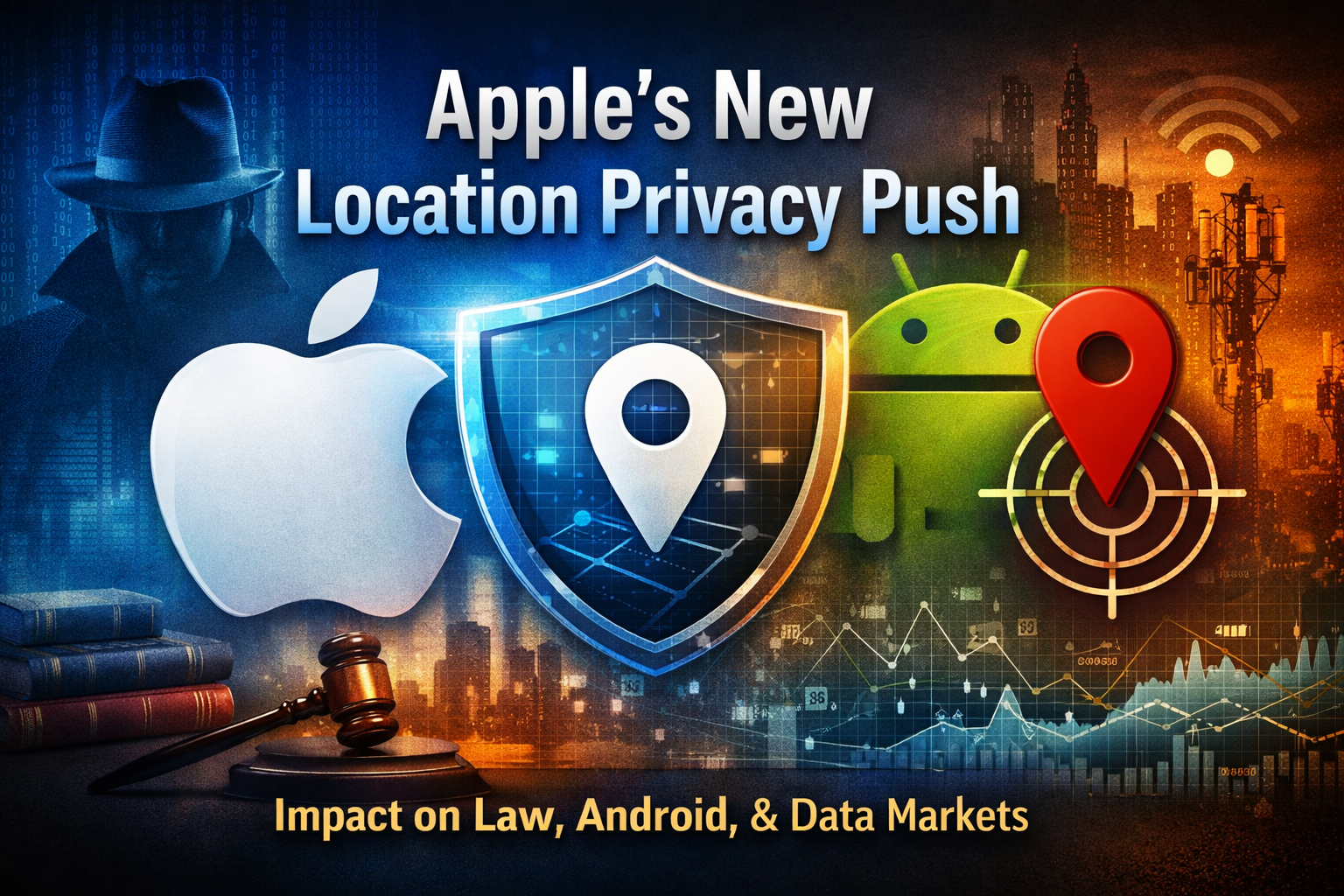
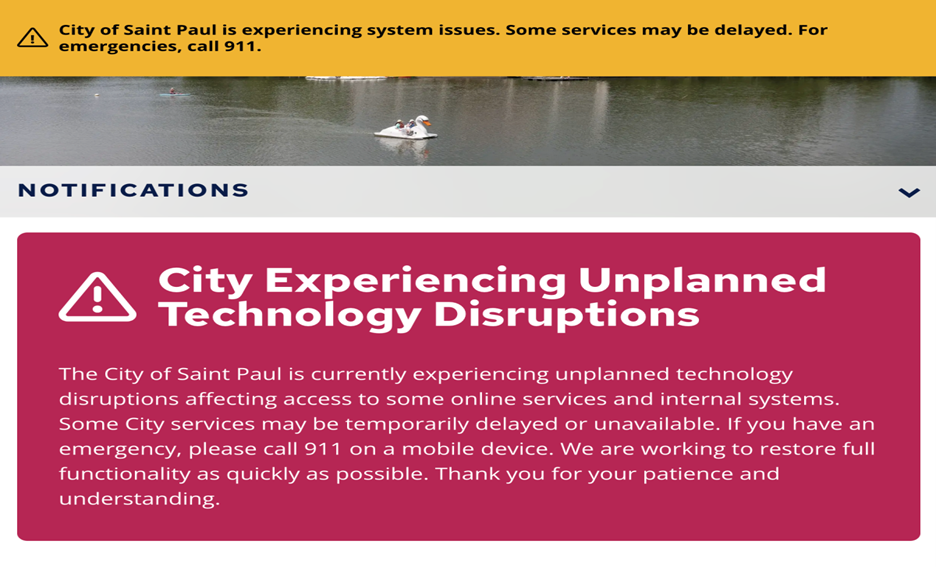


 Abstract Forward Consulting