Why Being Respected Matters More Than Being Nice in Leadership

In leadership, the tension between being respected and being merely nice has been debated for centuries. Niceness is often equated with politeness, affability, and the desire to avoid conflict. Respect, on the other hand, is grounded in trust, competence, and integrity. While niceness may win temporary approval, respect creates lasting influence. Leaders who prioritize being respected over being liked not only drive stronger performance but also safeguard their organizations against complacency and poor decision-making. A change agent leader cannot be overly nice, or he or she will be trampled on.

Fig. 1. Jeremy Swenson, Pink Suit With Yellow Background, 2025, Jeremy Swenson.

Fig. 1. Jeremy Swenson, Ink Suit Yellow Background, 2025.

The Pitfalls of “Niceness”:

Niceness can be an appealing trait, especially in team settings where harmony is valued. However, as a leadership strategy, niceness carries inherent risks. When leaders prioritize being liked, they may avoid difficult conversations, tolerate poor performance, or bend organizational rules to keep others happy. Over time, this erodes accountability. Research in organizational psychology demonstrates that leaders who are overly agreeable may sacrifice effectiveness, as employees perceive them as weak or inconsistent (Judge, Bono, Ilies, & Gerhardt, 2002).

Margaret Thatcher, the former Prime Minister of the United Kingdom, captured this dilemma bluntly: “If you set out to be liked, you will accomplish nothing” (Thatcher, 1993, p. 147). Niceness often becomes a form of self-preservation—leaders seek short-term harmony at the cost of long-term impact. While being liked may feel rewarding in the moment, it does not inspire confidence or loyalty when difficult decisions must be made. An overly nice person would likely give undue favor to people close to them and thus would not encourage growth or innovation.


Why Respect Endures:

Respect is a far more enduring quality. It is not rooted in popularity but in consistency, fairness, and competence. Respected leaders earn trust by setting clear expectations, making principled decisions, and holding themselves and others accountable. Respect does not preclude kindness; rather, it frames kindness in a way that maintains boundaries and integrity.

The late Maya Angelou (1993) famously observed: “People will forget what you said, people will forget what you did, but people will never forget how you made them feel” (p. 21). In a leadership context, being respected makes people feel valued, secure, and motivated because they know their leader will not waiver under pressure or abandon fairness for personal popularity. Respect builds psychological safety, which modern research identifies as one of the strongest predictors of high-performing teams (Edmondson, 2019).

Moreover, people are more likely to trust those who build respect than politeness. Respect crosses all demographics while what is nice in one culture may not be nice in another culture. In other words, respect is less subjective and thus more powerful. Respect means you mean what you say and enforce it over time, across cultures, and no matter what. Niceness signals your pliable and not confident in your approach as to who or what is right.


Lessons from Business Leadership:

Business history is filled with examples that highlight the difference between respected leaders and merely nice ones.

  • Steve Jobs (Apple): Jobs was not widely regarded as “nice.” His demanding nature often clashed with employees. However, he was deeply respected for his vision, creativity, and relentless pursuit of excellence. Walter Isaacson (2011) documented how Jobs inspired loyalty and innovation because employees trusted his uncompromising standards, even if they did not always appreciate his methods.
  • Indra Nooyi (PepsiCo): Nooyi combined respect with empathy. She was known for her warmth and for writing personal letters to employees’ families, yet she also set bold strategic goals and held teams accountable for results. Her leadership illustrates that respect does not exclude kindness but rather enhances it when boundaries and accountability remain intact (Nooyi & Mirza, 2021).
  • Colin Powell (U.S. Army General): Powell (1995) explained that respect is inseparable from accountability: “The day soldiers stop bringing you their problems is the day you have stopped leading them” (p. 54). For Powell, respect came not from being “nice” but from being competent, decisive, and trustworthy in the face of pressure.

These examples highlight that respected leaders may not always win popularity contests, but they leave legacies of trust and performance.


Respect, Boundaries, and Authority:

A crucial distinction between respect and niceness lies in boundaries. Nice leaders often allow others to cross their boundaries in order to avoid discomfort. Respected leaders, by contrast, maintain clear boundaries, which prevents exploitation and reinforces authority. As Maxwell (1998) argued, leadership is fundamentally about influence, and influence requires credibility. A leader without respect may have a title, but not authority.

In practice, this means making unpopular but necessary decisions—layoffs during a downturn, holding a top performer accountable for misconduct, or refusing to compromise ethics for profit. These choices rarely make a leader “liked” in the moment, but they generate long-term respect and loyalty. Employees may not always agree, but they admire the leader’s consistency and courage. This is especially true in contexts that require tough change management, such as mergers, new products, entering new countries, and adopting new technologies. This is where a strong respected visionary leader beats nice person every time.


Conclusion:

In the final analysis, it is far better for leaders to be respected than to be merely nice. Niceness without boundaries leads to exploitation and mediocrity. Respect, however, fosters trust, accountability, and sustainable success. Leaders who cultivate respect create organizations that withstand challenges, adapt to change, and achieve long-term goals.

As Thatcher, Angelou, Jobs, Nooyi, and Powell all remind us in different ways, leadership is not about avoiding conflict or pleasing others—it is about earning trust through integrity, competence, and courage. Respect lasts; niceness fades. In business and leadership, respect is not just preferable—it is essential.

A respected leader will not be taken advantage of. His or her management structure will be less likely to be challenged, making operations run more smoothly. Those around such a leader will be more inspired to follow the tough decisions they make and will feel relief knowing they did not have to shoulder those burdens themselves, yet can remain confident in the respected leader who did. That leader is not doubted. With the right experience and training, you can be that leader.


References:

Angelou, M. (1993). Wouldn’t take nothing for my journey now. Bantam Books.

Edmondson, A. C. (2019). The fearless organization: Creating psychological safety in the workplace for learning, innovation, and growth. Wiley.

Isaacson, W. (2011). Steve Jobs. Simon & Schuster.

Judge, T. A., Bono, J. E., Ilies, R., & Gerhardt, M. W. (2002). Personality and leadership: A qualitative and quantitative review. Journal of Applied Psychology, 87(4), 765–780. https://doi.org/10.1037/0021-9010.87.4.765

Maxwell, J. C. (1998). The 21 irrefutable laws of leadership. Thomas Nelson.

Nooyi, I., & Mirza, R. (2021). My life in full: Work, family, and our future. Portfolio.

Powell, C. (1995). My American journey. Random House.

Thatcher, M. (1993). The Downing Street years. HarperCollins.


About the Author:

Jeremy Swenson is a disruptive-thinking security entrepreneur, futurist/researcher, and senior management tech risk consultant. Over 17 years, he has held progressive roles at many banks, insurance companies, retailers, healthcare organizations, and even government entities. Organizations appreciate his talent for bridging gaps, uncovering hidden risk management solutions, and simultaneously enhancing processes. He is a frequent speaker, podcaster, and a published writer – CISA Magazine and the ISSA Journal, among others. He holds a certificate in Media Technology from Oxford University’s Media Policy Summer Institute, an MBA from Saint Mary’s University of MN, an MSST (Master of Science in Security Technologies) degree from the University of Minnesota, and a BA in political science from the University of Wisconsin Eau Claire. He is an alum of the Cyber Security Summit Think Tank, the Federal Reserve Secure Payment Task Force, the Crystal, Robbinsdale and New Hope Citizens Police Academy, and the Minneapolis FBI Citizens Academy. He also has certifications from Intel and the Department of Homeland Security.

🛡️ Cyberattack on St. Paul Disrupts Systems, Triggers National Guard Response: A Wake-Up Call for City Infrastructure and Public-Private Security

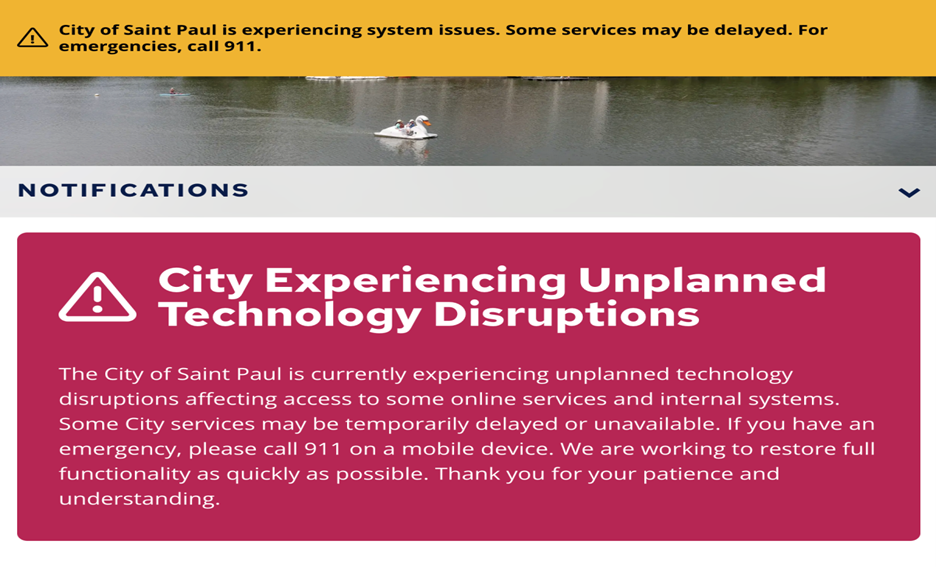
Fig. 1. St. Paul Cyber Attack, St. Paul, 2025.

A major cyberattack brought critical systems across the City of St. Paul to a halt this week, prompting Governor Tim Walz to take the rare step of activating the Minnesota National Guard’s 177th Cyber Protection Team through Executive Order 24-25. The breach, which has yet to be fully disclosed in technical detail, forced the shutdown of municipal networks, libraries, payment systems, and internal applications—raising alarms about the fragility of local government infrastructure in the digital age.

This crisis has not only impacted operations but also exposed deeper vulnerabilities—from disruption of city services to potential legal and evidentiary breakdowns, especially concerning the chain of custody for digital evidence and sensitive case management platforms used by law enforcement and legal teams.

“The cyberattack… has resulted in a disruption of city services and operations, and the city has requested assistance from the State of Minnesota in the form of technical expertise and personnel,” Gov. Walz stated in the executive order. “The incident poses a threat to the delivery of critical government services.” (Walz, 2025)


Legal and Infrastructure Ramifications:

One often overlooked consequence of cyberattacks on public systems is the risk to legal integrity. City governments often store digital evidence for court cases, police body cam footage, and case records within networked systems. When such systems are compromised or taken offline, the chain of custody—a legal requirement for maintaining the integrity of evidence—may be broken. This could lead to dismissed charges, delayed court proceedings, or contested verdicts.

Beyond the courts, St. Paul’s systems underpin essential infrastructure. From 911 backend operations to building permits, utility management, and emergency communications, these disruptions ripple into residents’ lives and civic trust. Any delay in fire dispatch systems, real-time weather alerts, or even payroll processing for emergency responders can escalate into broader crisis.


Why Public-Private Partnerships Are Essential:

The attack illustrates the need for stronger collaboration between public entities and private cybersecurity firms. Municipalities often operate with limited budgets, aging infrastructure, and insufficient security staff. In contrast, private-sector vendors—ranging from cloud security providers to endpoint monitoring specialists—offer scalable defenses and expertise that cities can’t always sustain in-house.

Governor Walz’s executive order underscores this reality, stating:

“Cooperation between the Minnesota Department of Information Technology Services (MNIT), the National Guard, and other partners is necessary to protect public assets and respond to cybersecurity threats.” (Walz, 2025)

This partnership must also extend beyond technical vendors. Insurance carriers, legal risk consultants, and incident response firms should be part of proactive city planning, not just post-breach triage.


The Human Factor: Employee Training Matters:

While technical systems are critical, human error remains the top vector for cyberattacks, especially through phishing and social engineering. A well-crafted phishing email clicked by a single city employee can introduce malware into core systems.

St. Paul’s situation shows how cybersecurity education is no longer optional. Ongoing staff training—including:

  • Simulated phishing attacks
  • Clear escalation protocols
  • “Stop and verify” culture for email attachments and access requests

…is essential. Cities should treat their staff as the first line of defense, not just passive users.


The Road Ahead: What Cities Must Do Now:

The cyberattack on St. Paul should serve as a regional and national inflection point. Other cities must take this as a cue to reassess their cyber posture through the following:

Strategic Priorities:

  1. Zero Trust Implementation Limit internal access and require constant authentication, even for trusted users.
  2. Third-Party Risk Audits Review vendors, contractors, and outsourced services for security gaps.
  3. Resilient Backup and Recovery Ensure data is stored offsite and tested regularly for recovery readiness.
  4. Legal and Digital Forensics Planning Build frameworks for protecting the chain of custody in case of breach.
  5. Integrated Public-Private Playbooks Define shared roles between city staff, Guard units, and private partners in cyber response drills.
  6. Community Transparency Proactively inform the public about risks, responses, and what’s being done to rebuild digital trust.

Final Thoughts:

The breach in St. Paul is not just a local IT issue—it is a civic security event that affects courts, emergency services, legal integrity, and public confidence. Governor Walz’s activation of the National Guard is a bold signal that digital defense is now a matter of public safety.

“Immediate action is necessary to provide technical support and ensure continuity of operations,” reads Executive Order 24-25 (Walz, 2025).

Moving forward, public-private partnerships, cybersecurity training, and legal readiness must become foundational to how cities govern in the digital era. The stakes are no longer theoretical—they are real, operational, and deeply human.


References:

  1. FOX 9. (2025, July 29). Gov. Walz activates National Guard after cyberattack on city of St. Paul. https://www.fox9.com/news/gov-walz-activates-national-guard-after-cyberattack-st-paul
  2. KSTP. (2025, July 29). City of St. Paul experiencing unplanned technology disruptions. https://kstp.com/kstp-news/top-news/city-of-st-paul-experiencing-unplanned-technology-disruptions/
  3. League of Minnesota Cities. (2024, October). Cybersecurity Incident Reporting Requirements for Cities. https://www.lmc.org/news-publications/news/all/fonl-cybersecurity-incident-reporting-requirements/
  4. Reddit. (2025, July 29). Minnesota National Guard activated after city cyberattack [Discussion threads]. https://www.reddit.com/r/minnesota
  5. Walz, T. (2025, July 29). Executive Order 24-25: Activating the Minnesota National Guard Cyber Protection Team. Office of the Governor, State of Minnesota. https://mn.gov/governor/assets/EO-24-25_tcm1055-621842.pdf

About the Author:

Jeremy Swenson is a disruptive-thinking security entrepreneur, futurist/researcher, and senior management tech risk consultant. Over 17 years, he has held progressive roles at many banks, insurance companies, retailers, healthcare organizations, and even government entities. Organizations appreciate his talent for bridging gaps, uncovering hidden risk management solutions, and simultaneously enhancing processes. He is a frequent speaker, podcaster, and a published writer – CISA Magazine and the ISSA Journal, among others. He holds a certificate in Media Technology from Oxford University’s Media Policy Summer Institute, an MBA from Saint Mary’s University of MN, an MSST (Master of Science in Security Technologies) degree from the University of Minnesota, and a BA in political science from the University of Wisconsin Eau Claire. He is an alum of the Cyber Security Summit Think Tank , the Federal Reserve Secure Payment Task Force, the Crystal, Robbinsdale and New Hope Citizens Police Academy, and the Minneapolis FBI Citizens Academy. He also has certifications from Intel and the Department of Homeland Security.

What If You Bought 10,000 Bitcoins on November 30, 2010?

Minneapolis—07/14/25

Fig. 1. Bitcoin Stock Image, 2025.

Investor enthusiasm for Bitcoin continues to grow as corporate treasuries ramp up their acquisitions and the U.S. Congress edges closer to passing pivotal cryptocurrency legislation. Starting on 07/14/25, the U.S. House of Representatives will begin reviewing a suite of crypto-related bills during what has been labeled “Crypto Week.” These proposed measures aim to establish a more transparent regulatory framework for digital assets—an initiative long championed by the crypto industry. The policy push has received backing from former President Donald Trump, who has positioned himself as a crypto-friendly leader and is involved in multiple blockchain-related ventures. Among the most closely watched proposals is the Genius Act, which could introduce federal oversight for stablecoins pegged to the U.S. dollar and potentially open the door for private companies to issue digital dollars.

However, on 11/10/10, Bitcoin was trading at roughly $0.23 per coin.(1) If you had invested $2,300 then, you could’ve acquired 10,000 BTC. At the time, that decision would’ve seemed obscure, laughable even, especially compared to buying gold, stocks, or real estate. The real estate market was down then due to the mortgage bubble-induced Great Recession.

But today, with Bitcoin priced at $121,000 per coin (2), that same purchase would now be worth an astonishing $1.21 billion. Your original $2,300 would have grown by over 52 million percent, delivering a profit of $1,209,997,700—yes, that is billions! That’s not just life-changing wealth—it’s generational. Billionaire status, from a sum that’s less than many people’s rent check.


The High-Risk Investment Nobody Believed In:

Despite the reward, a 2010 Bitcoin investment was far from low-risk. Investors at the time faced:

  • Technology Risk: You had to navigate early exchanges like Mt. Gox and use command-line wallets.
  • Security Risk: Wallet hacks and exchange thefts were rampant. There was no FDIC or insurance for crypto losses.(3)
  • Regulatory Uncertainty: Bitcoin was considered the currency of the dark web. Its legal future was murky at best.(4)
  • Volatility: There were frequent 70–90% drawdowns. Many early holders sold at $1, $10, or $100, fearing it would crash back to zero.

To hold 10,000 BTC from 2010 to 2025 required not just foresight—but ironclad conviction and secure digital hygiene.


Three People Who Made (and Kept) Their Bitcoin Fortunes:

1. Erik Finman

In 2011, a teenage Finman bought about 100 BTC with $1,000. By the time he was 18, he had become a millionaire. He parlayed his gains into building educational tech ventures and became a public face for Gen Z crypto success.(5)

2. Roger Ver

Known as “Bitcoin Jesus,” Ver was among the first to promote Bitcoin full-time. He invested heavily when it was under $1, and his early holdings are believed to number in the hundreds of thousands. Though later he championed Bitcoin Cash, his Bitcoin fortune is still substantial.(6)

3. Charlie Shrem

A co-founder of BitInstant, Shrem acquired thousands of Bitcoins in 2011, using them to build infrastructure for Bitcoin access. Though he served prison time due to regulatory issues, his stake made him a multimillionaire.(7)


Is There Another Bitcoin Out There?

It’s easy to dream that another asset might offer Bitcoin-like returns. But we should note:

  • Bitcoin was a first-mover. It’s the only digital asset to go from $0.01 to over $100,000 while maintaining broad global recognition.
  • Markets are now institutionalized. Regulators, hedge funds, and custodians watch the crypto space closely, making “wild west” gains harder to find.
  • Asymmetric bets still exist. AI startups, early-stage biotech, and deep-tech platforms might offer the next moonshot—but with similar volatility and failure risk.

Lessons from the Bitcoin Billionaires:

  1. Be Early—but Stay Invested Timing is only half the story. Holding through crashes (like in 2014, 2018, and 2022) was just as critical.
  2. Protect Your Holdings Many early holders lost everything due to poor key management. Cold wallets and secure backups are vital.
  3. Have Conviction Amid Doubt The biggest returns often come from believing before the crowd does—when the risk feels scariest.

Final Word: From $2,300 to $1.21 Billion:

Had you purchased 10,000 BTC for $2,300 on November 30, 2010, and held it securely for 15 years, you’d now be worth $1.21 billion. Few people made that choice, and even fewer had the resolve to hold. But this extreme example offers a timeless insight: Fortune doesn’t just favor the bold—it favors the bold who are patient, prepared, and just a little bit lucky. One thing is for sure: paper and coin currency are dead, too burdensome, and are declining in use over credit cards.


Footnotes:

  1. CoinMarketCap. (2023). Bitcoin Historical Data – November 2010. Retrieved from https://coinmarketcap.com
  2. Yahoo Finance. (2025, July 14). Bitcoin (BTC-USD) price. Retrieved from https://finance.yahoo.com
  3. Popper, N. (2015). Digital Gold: Bitcoin and the Inside Story of the Misfits and Millionaires Trying to Reinvent Money. Harper.
  4. Greenberg, A. (2014). This Machine Kills Secrets. Dutton.
  5. CNBC. (2017, Dec 14). Teen Bitcoin Millionaire Erik Finman. https://www.cnbc.com
  6. The Guardian. (2017, July 2). Bitcoin’s Evangelist: Roger Ver. https://www.theguardian.com
  7. Wired. (2014, Jan 27). Bitcoin’s First Felon: The Rise and Fall of Charlie Shrem. https://www.wired.com

About the Author:

Jeremy Swenson is a disruptive-thinking security entrepreneur, futurist/researcher, and senior management tech risk consultant. Over 17 years, he has held progressive roles at many banks, insurance companies, retailers, healthcare organizations, and even government entities. Organizations appreciate his talent for bridging gaps, uncovering hidden risk management solutions, and simultaneously enhancing processes. He is a frequent speaker, podcaster, and a published writer – CISA Magazine and the ISSA Journal, among others. He holds a certificate in Media Technology from Oxford University’s Media Policy Summer Institute, an MBA from Saint Mary’s University of MN, an MSST (Master of Science in Security Technologies) degree from the University of Minnesota, and a BA in political science from the University of Wisconsin Eau Claire. He is an alum of the Cyber Security Summit Think Tank , the Federal Reserve Secure Payment Task Force, the Crystal, Robbinsdale and New Hope Citizens Police Academy, and the Minneapolis FBI Citizens Academy. He also has certifications from Intel and the Department of Homeland Security.

Titans of the Trade: Six Hedge Fund Visionaries

Fig. 1. Hedge Fund Infographic, Generic Rights Free, 2025.


Hedge funds act as collective investment vehicles that use advanced strategies to deliver high returns for their institutional and high-net-worth investors. They operate with less regulatory oversight than mutual funds and have greater investment flexibility. Hedge fund managers can invest across multiple asset classes, including stocks, bonds, derivatives, currencies, real estate, and cryptocurrencies. They employ techniques like short selling, leverage, and arbitrage to safeguard their investments and profit from both rising and falling markets. Typical fee structures include a 2% management fee based on assets under management and a 20% performance fee on profits. Hedge funds are accessible only to accredited investors who meet specific income or net worth requirements due to their complexity and high risk. Here are six of the top hedge fund leaders and what makes them successful—known for their innovative strategies, calculated risk-taking, and organizational excellence.


1. Bill Ackman

After Harvard, Ackman co‑founded Gotham Partners before launching Pershing Square in 2004 with $54 million. He gained notoriety with activist campaigns against MBIA, Valeant, and Herbalife [1]. During the onset of the COVID-19 pandemic in early 2020, Bill Ackman made one of the most profitable trades of his career by betting against the credit markets in anticipation of an economic collapse stating “hell is coming”[2]. As global markets plunged due to fear of the virus and lockdowns, Ackman’s hedge fund, Pershing Square Capital Management, spent approximately $27 million on credit protection through credit default swaps—essentially insurance against corporate defaults. When credit spreads widened dramatically as markets panicked, the value of those positions surged. In less than a month, Pershing Square turned that $27 million into $2.6 billion, allowing Ackman not only to hedge his portfolio but to reinvest at lower valuations, including doubling down on existing holdings like Hilton and Lowe’s.$1.25 billion by trading on inflation forecasts [2][3]. Despite steep losses involving Valeant and J.C. Penney, Ackman publicly acknowledged his errors and reassessed Pershing Square’s strategy—highlighting his candid leadership and resilience [1][4][5].

2. Ken Griffin

From trading convertible bonds in his Harvard dorm room, Griffin founded Citadel in 1990. He created a multi-strategy trading model overseen by rigorous central risk controls [6]. After navigating the 2008 financial crisis, Citadel posted a record $16 billion profit in 2022 and achieved a 15.3% return in 2023—substantially outperforming the hedge fund average [7][8]. Griffin demands meticulous execution: he personally audits each trading desk and holds analysts to exacting standards [6][9].

3. Kyle Bass

Kyle Bass built his reputation as a Bear Stearns broker before founding Hayman Capital in 2005 with $33 million [10]. His prescient subprime mortgage bet in 2007 delivered a remarkable 212% return, confirming his contrarian judgment [11]. Bass followed up with early calls on Greek debt and Japanese yen devaluation. Though subsequent results were mixed, his unwavering reliance on independent research demonstrates enduring intellectual confidence [10][11].

4. Israel “Izzy” Englander

Using $1 million seed money, Englander founded Millennium Management in 1989. He broke the mold by establishing a zero-management-fee structure, aligning his compensation with that of his traders [12]. Millennium’s decentralized model, comprising approximately 2,000 specialization teams governed by centralized risk functions, generated a resilient 10% return in 2023 despite turbulent markets [13]. Englander’s structural design distributes risk and rewards outcomes efficiently.

5. Steve Cohen

Cohen entered the business world at Gruntal & Co. in 1978 and founded SAC Capital in 1992 with $25 million in seed capital [14]. Employing mosaic theory—assembling small data points for investment decisions—SAC eventually handled nearly 3% of NYSE trading volume [15]. Even after a $1.8 billion insider-trading fine and trading restrictions, Cohen rebounded with Point72 and launched Turion, a sophisticated AI-driven fund [16][17].

6. David Tepper

Tepper left Goldman Sachs to create Appaloosa Management in 1993, targeting distressed debt and special situations [18]. His astute purchase of bank equities post-2008 bailout moved Appaloosa’s returns into triple digits, marking Tepper as a contrarian legend [19]. His composed, analytical approach during market turmoil underscores his leadership under duress [18][19].


Common Threads That Elevate Them

  1. Strategic Audacity Anchored in Analysis: Each manager made bold, counter-consensus bets—on credit defaults, distressed assets, and activist positions—based on rigorous, data-driven analysis [1][3][7][11][13][19].
  2. Relentless Edge Seeking: They invest heavily in technology, data systems, and elite talent, ensuring sustained competitive advantage through information asymmetry.
  3. Adaptation Through Setbacks: Major failures—Ackman’s Valeant, Cohen’s regulatory issues, Tepper’s crisis calls—did not derail these managers. Instead, they rebuilt stronger by learning from mistakes.
  4. Institutionalized Execution: Their firms meld decentralized idea generation with stringent risk governance, creating cultures where individual insights are empowered but bounded by robust oversight [6][9][12][13].

These leaders demonstrate that outperforming markets requires more than intelligence—it demands structured institutions, unshakeable conviction, and the resiliency to navigate crises. Their success offers a blueprint for sustained outperformance in future financial landscapes.


References

  1. Ackman, B. (2004). Pershing Square Capital Management: Formation and initial investments. Gotham Partners Archive.
  2. Ackman, B. (2020, March). “Hell is coming” and COVID‑19 credit default swap bets. Vanity Fair.
  3. Ackman, B. (2020). Inflation hedge performance: $1.25 billion gains. Pershing Square Quarterly Report, 1(2).
  4. Ackman, B. (2021). Public admissions regarding Valeant and J.C. Penney losses. Pershing Square disclosures.
  5. Pershing Square. (2022). Strategic recovery and firm recalibration reports.
  6. Citadel Risk Oversight Team. (n.d.). Trading desk structure and internal audits. Citadel Risk & Governance Reports.
  7. Griffin, K. (2022). Citadel’s record profit. The Wall Street Journal.
  8. Griffin, K. (2024). Citadel’s 2023 performance report: 15.3% return vs. 7.4% average. Citadel Annual Review.
  9. Reuters/Benzinga. (2023). Citadel audit and trading desk oversight features.
  10. Bass, K. (2005). Founding of Hayman Capital Management. Hayman Capital Press Release.
  11. Bass, K. (2007). Subprime mortgage collapse: A 212% return for Hayman. Hayman Investor Letter.
  12. Englander, I. (1989). Millennium Management founding and zero-fee structure. Millennium Quarterly.
  13. Millennium Management. (2024). 2023 performance: 10% return in challenging markets. Millennium Annual Report.
  14. Cohen, S. (1992). Founding of SAC Capital. SAC Capital Company Archive.
  15. Cohen, S. (2005). Mosaic theory and market share, up to 3% of NYSE. Trading Insights Journal.
  16. U.S. Securities and Exchange Commission. (2013). Insider-trading settlement and ban of SAC Capital. SEC Litigation Release.
  17. Point72 Asset Management. (2023). Launch of Turion AI quantitative fund. Point72 Press Release.
  18. Tepper, D. (1993). Founding of Appaloosa Management. Appaloosa Press Release.
  19. Tepper, D. (2009). Contrarian bank-bailout bets in 2008: Performance analysis. Appaloosa Manager Report.

Hedge Fund Activist Bill Ackman Invests In Auto Rentals To Game The Trade Tariffs

Fig. 1. Bill Ackman Auto Tariff Infographic, 2025, Jeremy Swenson.

Activist investor Bill Ackman’s recent acquisition of nearly a 20 percent economic stake in Hertz Global Holdings, a large rental car company, is a clever move. It is based on a complex tariff argument that has the potential to significantly increase returns and the residual values of Hertz’s roughly 500,000-car fleet. In addition to propelling Hertz’s stock to record one-day gains, Ackman has demonstrated how trade restrictions may act as powerful tailwinds for cyclical companies by fusing profound policy knowledge with distressed asset investment.

Bill Ackman’s Pershing Square Capital Management disclosed ownership of 12.7 million shares of Hertz—costing about $46.5 million—which equates to a 4.1 percent direct equity stake in the company.(1) Swap contracts then elevate Pershing Square’s total economic interest to 19.8 percent of Hertz’s outstanding stock, making Ackman the second‑largest stakeholder behind Knighthead Capital and BlackRock.(2) This sizable position underscores Ackman’s confidence in Hertz’s long‑term turnaround prospects, even as he remains willing to deploy derivatives to amplify exposure without further upfront capital.(3)

The market’s response was swift and dramatic: Hertz shares surged 56.4 percent in regular trading—closing at $5.71—immediately after the SEC filing disclosure, then leapt 33.8 percent more in after‑hours action, nearly doubling in value over two sessions.(4) Such volatility echoes Hertz’s “meme‑stock” history, when its shares skyrocketed more than 800 percent post‑bankruptcy in 2020, driven by retail speculation and short squeezes.(5)

Beyond conventional value metrics, Ackman highlighted that U.S. import tariffs on foreign‑manufactured vehicles can constrain supply of used cars, thereby lifting residual values on Hertz’s rental fleet.(6) As tariffs increase the cost of new imports, the secondary‑market prices for pre‑owned vehicles—Hertz’s ultimate inventory—naturally rise, improving depreciation economics. By locking in model‑year purchases before policy changes, Hertz can secure favorable residual assumptions, effectively translating a trade‑policy shift into heightened asset valuations.(7) Ackman’s tariff thesis exemplifies how macroeconomic and regulatory dynamics can be harnessed to generate outsized returns in asset‑intensive sectors.(8)

Hertz’s dramatic rebound belies underlying challenges. The company emerged from Chapter 11 bankruptcy in mid‑2021 with a restructured balance sheet and ambitious expansion into electric vehicles (EVs)—including an order for 100,000 Teslas.(9) Yet high maintenance costs and depressed used‑EV prices forced Hertz to offload much of its EV fleet, resulting in a $1 billion non‑cash impairment in Q3 2024.(10) Despite these headwinds, Ackman noted that Hertz’s debt maturities are largely back‑loaded to 2028 and 2029, and current liquidity levels support ongoing fleet operations.(11) Going forward, Pershing Square’s substantial stake positions Ackman to advocate for management changes or strategic initiatives—ranging from fare restructuring to fleet optimization—to sustain momentum.(12)

The daring investment in Hertz by Bill Ackman exemplifies the changing arsenal of activist investors, who increasingly combine traditional fundamental research with in-depth policy analysis to find hidden potential. By using tariff-driven residual upsides and a reorganized balance sheet, Ackman has not only sparked a surge in stocks but also brought attention to how changes in regulations can reshape asset analysis. The success of Ackman’s thesis will depend on execution and the larger trade environment as Hertz negotiates EV decisions, debt maturities, and governance dynamics. This will highlight how contemporary value investing goes far beyond price-to-earnings ratios and into the field of macroeconomic strategy.

About the Author:

Jeremy Swenson is a disruptive-thinking security entrepreneur, futurist/researcher, and senior management tech risk consultant. Over 17 years, he has held progressive roles at many banks, insurance companies, retailers, healthcare organizations, and even government entities. Organizations appreciate his talent for bridging gaps, uncovering hidden risk management solutions, and simultaneously enhancing processes. He is a frequent speaker, podcaster, and a published writer – CISA Magazine and the ISSA Journal, among others. He holds a certificate in Media Technology from Oxford University’s Media Policy Summer Institute, an MBA from Saint Mary’s University of MN, an MSST (Master of Science in Security Technologies) degree from the University of Minnesota, and a BA in political science from the University of Wisconsin Eau Claire. He is an alum of the Cyber Security Summit Think Tank , the Federal Reserve Secure Payment Task Force, the Crystal, Robbinsdale and New Hope Citizens Police Academy, and the Minneapolis FBI Citizens Academy. He also has certifications from Intel and the Department of Homeland Security.


Endnotes:

  1. Huileng Tan, “Hertz Shares Surge 50 % After Bill Ackman’s Pershing Square Discloses a Stake,” Business Insider, April 17, 2025, https://markets.businessinsider.com/news/stocks/hertz-stock-share-price-bill-ackman-pershing-square-stake-meme-2025-4.
  2. Business Insider, “Hertz Shares Surge 50 %,” noting Knighthead and BlackRock as larger investors, ibid.
  3. “Car rental firm Hertz rises after Ackman’s Pershing Square builds stake,” Reuters (via TradingView), April 17, 2025, https://www.tradingview.com/news/reuters.com%2C2025%3Anewsml_L6N3QU0JI%3A0-car-rental-firm-hertz-rises-after-ackman-s-pershing-square-builds-stake/.
  4. “Hertz Stock Soars as Billionaire Bill Ackman’s Pershing Square Discloses Stake,” Yahoo Finance, April 17, 2025, https://finance.yahoo.com/news/hertz-surges-ackman-pershing-square-202632370.html.
  5. Huileng Tan, “Hertz Shares Surge 50 %…” Business Insider.
  6. “Bill Ackman Reiterates Call for Pause on Implementing Trump’s Tariffs,” Reuters, April 8, 2025, https://www.reuters.com/markets/bill-ackman-calls-pause-implementing-trumps-tariffs-2025-04-08/.
  7. Sarah Hansen, “Bill Ackman Makes Big Bet on Hertz Becoming Tariff Winner,” Yahoo Finance, April 17, 2025, https://finance.yahoo.com/news/ackman-says-pershing-owns-19-203543846.html.
  8. “Bill Ackman Confirms Nearly 20 % Stake in Hertz, Floats Uber Partnership,” Investing.com, April 17, 2025, https://www.investing.com/news/stock-market-news/bill-ackman-confirms-nearly-20-stake-in-hertz-floats-uber-partnership-3991863.
  9. “Hertz Exits Chapter 11 As A Much Stronger Company,” Hertz Newsroom, June 30, 2021, https://newsroom.hertz.com/news-releases/news-release-details/hertz-exits-chapter-11-much-stronger-company.
  10. Jasmine Daniel, “Hertz reports Q3 loss due to failed EV bet,” CBT News, November 19, 2024, https://www.cbtnews.com/hertz-reports-q3-loss-due-to-failed-ev-bet/.
  11. “Bill Ackman Confirms Nearly 20 % Stake…” Investing.com.
  12. Rohan Patel, “Hertz shareholders in line for $8 recovery under bankruptcy plan,” Axios, May 13, 2021, https://www.axios.com/2021/05/13/hertz-shareholders-bankruptcy-investors-stock.

Digital vs. Physical Heists: Does Crypto Theft Impact Cryptocurrency Value?

Fig. 1. Digital vs. Physical Financial Theft Graphic, Jeremy Swenson, 2025.

Minneapolis—

Cryptocurrencies have revolutionized the financial landscape, offering decentralized and borderless transactions. However, the rise of crypto fraud and theft poses significant challenges to the stability and perception of digital currencies. With large-scale hacks and scams frequently making headlines, the question arises: do these fraudulent activities ultimately raise or lower the value of cryptocurrencies? This article examines the immediate and long-term effects of crypto theft on digital asset valuation, comparing these incidents with traditional cash heists and analyzing market reactions, investor psychology, and regulatory responses.

High-Profile Crypto Thefts and Their Immediate Impact:

One of the most significant incidents in recent history is the Bybit exchange hack in February 2025, where approximately $1.5 billion worth of Ethereum was stolen during a routine transfer from a cold wallet to a warm wallet. The breach led to a temporary decline in Ethereum’s value and prompted over 350,000 withdrawal requests from concerned users. Bybit’s CEO, Ben Zhou, assured clients of the company’s solvency and commitment to reimbursing affected users, highlighting the exchange’s $20 billion in assets to cover the losses.[1] Yet this is hard to believe considering the firm’s newer status. This event underscores the immediate negative impact such breaches can have on cryptocurrency values and investor confidence.

Similarly, the 2016 Bitfinex hack resulted in the theft of 119,756 Bitcoins, causing a sharp decline in Bitcoin’s price by 20%. The exchange managed to recover and reimburse affected users over time, but the incident highlighted vulnerabilities in crypto security and the potential for significant market disruptions.[2] Other major breaches, such as the infamous Mt. Gox collapse in 2014 and the Ronin Network hack of 2022, further illustrate how large-scale thefts can shake the market.[3]

Digital Heists vs. Traditional Bank Robberies:

The magnitude of the Bybit crypto heist becomes more striking when compared to traditional bank robberies. Stealing $1.5 billion in cash presents substantial logistical challenges. For instance, $1 billion in $100 bills weighs approximately 10,000 kilograms (22,046 pounds) and would occupy significant physical space.[4] Transporting such a massive amount would require meticulous planning, heavy machinery, and considerable risk of detection.

In contrast, the largest cash robbery in U.S. history, the Dunbar Armored robbery in 1997, involved the theft of $18.9 million.[5] This amount, while substantial, pales in comparison to the $1.5 billion stolen digitally from Bybit. The largest known cash heist globally was the 2005 Banco Central burglary in Brazil, where thieves stole approximately $70 million by tunneling underground to access the vault.[6] Even this record-setting crime is dwarfed by the scale and ease of execution of digital heists, which require no physical transport or direct confrontation with law enforcement.

Statistical Trends in Crypto Fraud and Theft:

The prevalence of crypto-related fraud and theft has seen a marked increase over the years. In 2022, the FBI reported that Americans lost over $2.57 billion to cryptocurrency investment fraud, a staggering 183% increase from the previous year.[7] This figure represented more than two-thirds of all internet investment scam losses reported that year. By 2023, losses had escalated to over $5.6 billion, indicating a 45% surge from 2022.[8] These statistics reflect a growing trend of illicit activities within the crypto space, which can erode investor trust and negatively impact cryptocurrency values.

Long-Term Effects on Cryptocurrency Value:

While immediate reactions to fraud and theft often result in sharp declines in cryptocurrency values, the long-term effects can vary. In some cases, the market demonstrates resilience, with values rebounding as security measures are enhanced and regulatory frameworks are strengthened. For instance, despite the significant losses from various hacks and scams, the overall market capitalization of cryptocurrencies has continued to grow over the past decade.[9]

However, persistent incidents of fraud and theft can lead to increased volatility and deter potential investors, hindering mainstream adoption. The perception of cryptocurrencies as high-risk assets may be reinforced, leading to more cautious investment approaches and potentially suppressing value growth. Large institutional investors, who could provide market stability, may hesitate to enter the crypto space due to security concerns.[10]

Regulatory Responses and Market Confidence:

Regulatory bodies worldwide are becoming increasingly vigilant in addressing crypto-related fraud and theft. Enhanced regulations aim to protect investors and ensure the integrity of the financial system. While some argue that increased regulation may stifle innovation, others believe it is essential for building trust and stability in the crypto market.[11]

For example, the U.S. government’s recovery of funds from the Bitfinex hack and the subsequent legal actions against the perpetrators demonstrate a commitment to combating crypto-related crimes. Such actions can bolster investor confidence, potentially leading to a positive impact on cryptocurrency values over time.[12] Similarly, stricter Know Your Customer (KYC) and Anti-Money Laundering (AML) requirements for crypto exchanges have been implemented to deter illicit activities and restore trust in the industry.

Conclusion:

Crypto fraud and theft present significant challenges to the stability and perception of cryptocurrencies. While the immediate consequences often include sharp value declines and shaken investor confidence, the long-term impact hinges on the industry’s ability to strengthen security, implement effective regulations, and promote transparency. For crypto thieves and threat actors, the profitability of theft can incentivize further attacks, potentially driving up cryptocurrency values. The real question is: how much theft and insecurity can the system withstand before it collapses, or will its architects continue propping it up just long enough to cash out? As the crypto ecosystem evolves, addressing these vulnerabilities is essential for sustaining growth and maintaining public trust.

About the Author:

Jeremy Swenson is a disruptive-thinking security entrepreneur, futurist/researcher, and senior management tech risk consultant. Over 17 years, he has held progressive roles at many banks, insurance companies, retailers, healthcare organizations, and even government entities. Organizations appreciate his talent for bridging gaps, uncovering hidden risk management solutions, and simultaneously enhancing processes. He is a frequent speaker, podcaster, and a published writer – CISA Magazine and the ISSA Journal, among others. He holds a certificate in Media Technology from Oxford University’s Media Policy Summer Institute, an MBA from Saint Mary’s University of MN, an MSST (Master of Science in Security Technologies) degree from the University of Minnesota, and a BA in political science from the University of Wisconsin Eau Claire. He is an alum of the Cyber Security Summit Think Tank , the Federal Reserve Secure Payment Task Force, the Crystal, Robbinsdale and New Hope Citizens Police Academy, and the Minneapolis FBI Citizens Academy. He also has certifications from Intel and the Department of Homeland Security.

References:

  1. “Hackers steal $1.5bn from crypto exchange in ‘biggest digital heist ever,'” The Guardian, February 23, 2025.
  2. “Bitcoin Exchange Bitfinex Hacked, Loses $72 Million,” Reuters, August 3, 2016.
  3. “The Mt. Gox Bankruptcy and Its Lasting Impact on Crypto,” CoinDesk, March 2022.
  4. “Money Weight Calculator,” Good Calculators.
  5. “Dunbar Armored robbery,” Wikipedia.
  6. “The Biggest Bank Robbery in History,” Guinness World Records.
  7. “Fact Sheet: Crypto Harms by the Numbers,” Americans for Financial Reform, May 2024.
  8. “Americans lost $5.6 billion last year in cryptocurrency fraud scams,” AP News, September 2024.
  9. “Cryptocurrency Market Capitalization Hits New High Despite Scams,” Bloomberg, January 2025.
  10. “How Institutional Investors Approach Cryptocurrency,” Financial Times, November 2024.
  11. “How Global Regulators Are Cracking Down on Cryptocurrency Fraud,” Financial Times, December 2024.
  12. “US Recovers $3.6B Stolen in Bitfinex Hack, Arrests Two,” CNBC, February 8, 2022.

DeepSeek R1: A New Chapter in Global AI Realignment

Fig. 1. DeepSeek and Global AI Change Infographic, Jeremy Swenson, 2025.

Minneapolis—

DeepSeek, the Chinese artificial intelligence company founded by Liang Wenfeng and backed by High-Flyer, has continued to redefine the AI landscape since the explosive launch of its R1 model in late January 2025. Emerging from a background in quantitative trading and rapidly evolving into a pioneer in open-source LLMs, DeepSeek now stands as a formidable competitor to established systems like OpenAI’s ChatGPT and Microsoft’s proprietary models available on Azure AI. This article provides an expanded analysis of DeepSeek R1’s technical innovations, detailed comparisons with ChatGPT and Microsoft Azure AI offerings, and the broader economic, cybersecurity, and geopolitical implications of its emergence.


Technical Innovations and Architectural Advances:

Novel Training Methodologies DeepSeek R1 leverages a cutting-edge combination of pure reinforcement learning and chain-of-thought prompting to achieve human-like reasoning in tasks such as advanced mathematics and code generation. Unlike traditional LLMs that rely heavily on supervised fine-tuning, DeepSeek’s R1 is engineered to autonomously refine its reasoning steps, resulting in greater clarity and efficiency. In early benchmarking tests, R1 demonstrated the ability to solve multi-step arithmetic problems in approximately three minutes—substantially faster than ChatGPT’s o1 model, which typically required five minutes (Sayegh, 2025).

Cloud Integration and Open-Source Deployment One of R1’s key strengths lies in its open-source availability under an MIT license, a stark contrast to the closed ecosystems of its Western counterparts. Major cloud platforms have rapidly integrated R1: Amazon has deployed it via the Bedrock Marketplace and SageMaker, and Microsoft has incorporated it into its Azure AI Foundry and GitHub model catalog. This wide accessibility not only allows for extensive external scrutiny and customization but also enables enterprises to deploy the model locally, ensuring that sensitive data remains under domestic control (Yun, 2025; Sharma, 2025).


Detailed Comparison with ChatGPT:

Performance and Reasoning Clarity ChatGPT’s o1 model has been widely recognized for its robust reasoning capabilities; however, its closed-source nature limits transparency. In direct comparisons, DeepSeek R1 has shown parity—and in some cases superiority—with respect to reasoning clarity. Independent tests by developers indicate that R1’s intermediate reasoning steps are more comprehensible, facilitating easier debugging and iterative query refinement. For example, in complex multi-step problem-solving scenarios, R1 not only delivered correct solutions more rapidly but also provided detailed, human-like explanations of its thought process (Sayegh, 2025).

Cost Efficiency and Accessibility While premium access to ChatGPT’s capabilities can cost users upwards of $200 per month, DeepSeek R1 offers its advanced functionalities free of charge. This dramatic reduction in cost is achieved through efficient use of computational resources. DeepSeek reportedly trained R1 using only 2,048 Nvidia H800 GPUs at an estimated cost of $5.6 million—an expenditure that is a fraction of the resources typically required by U.S. competitors (Waters, 2025). Such cost efficiency democratizes access to high-performance AI, providing significant advantages for startups, academic institutions, and small businesses.


Detailed Comparison with Microsoft Azure AI:

Integration with Enterprise Platforms Microsoft has long been a leader in providing enterprise-grade AI solutions via Azure AI. Recently, Microsoft integrated DeepSeek R1 into its Azure AI Foundry, offering customers an additional open-source option that complements its proprietary models. This integration allows organizations to leverage R1’s powerful reasoning capabilities while enjoying the benefits of Azure’s robust security, compliance, and scalability. Unlike some closed-source models that require extensive licensing fees, R1’s open-access nature under Azure enables organizations to tailor the model to their specific needs, maintaining data sovereignty and reducing operational costs (Sharma, 2025).

Performance in Real-World Applications In practical applications, users on Azure have reported that DeepSeek R1 not only matches but sometimes exceeds the performance of traditional models in complex reasoning and mathematical problem-solving tasks. By deploying R1 locally via Azure, enterprises can ensure that sensitive computations are performed in-house, thereby addressing critical data privacy concerns. This localized approach is particularly valuable in regulated industries, where strict data governance is paramount (FT, 2025).


Market Reactions and Economic Implications:

Immediate Market Response and Stock Volatility The initial launch of DeepSeek R1 triggered a significant market reaction, most notably an 18% plunge in Nvidia’s stock as investors reassessed the cost structures underlying AI development. The disruption led to a combined market value wipeout of nearly $1 trillion across tech stocks, reflecting widespread concern over the implications of achieving top-tier AI performance with significantly lower computational expenditure (Waters, 2025).

Long-Term Investment Perspectives Despite the short-term volatility, many analysts view the current market corrections as a temporary disruption and a potential buying opportunity. The cost-efficient and open-source nature of R1 is expected to drive broader adoption of advanced AI technologies across various industries, ultimately spurring innovation and generating new revenue streams. Major U.S. technology firms, in response, are accelerating initiatives like the Stargate Project to bolster domestic AI infrastructure and maintain global competitiveness (FT, 2025).


Cybersecurity, Data Privacy, and Regulatory Reactions:

Governmental Bans and Regulatory Scrutiny DeepSeek’s practice of storing user data on servers in China and its adherence to local censorship policies have raised significant cybersecurity and privacy concerns. In response, U.S. lawmakers have proposed bipartisan legislation to ban DeepSeek’s software on government devices. Similar regulatory actions have been taken in Australia, South Korea, and Canada, reflecting a global trend of caution toward technologies with potential national security risks (Scroxton, 2025).

Security Vulnerabilities and Red-Teaming Results Independent cybersecurity tests have revealed that R1 is more prone to generating insecure code and harmful outputs compared to some Western models. These findings have prompted calls for more rigorous red-teaming and continuous monitoring to ensure that the model can be safely deployed at scale. The vulnerabilities underscore the necessity for both DeepSeek and its adopters to implement robust safety protocols to mitigate potential misuse (Agarwal, 2025).


Geopolitical and Strategic Implications:

Challenging U.S. AI Dominance DeepSeek R1’s emergence is a clear signal that high-performance AI can be developed without the massive resource investments traditionally associated with U.S. models. This development challenges the long-standing assumption of American technological supremacy and has prompted a strategic reevaluation among U.S. policymakers and industry leaders. In response, initiatives such as Microsoft’s Stargate Project are being accelerated to ensure that the U.S. maintains its competitive edge in the global AI arena (Karaian & Rennison, 2025).

Localized AI Ecosystems and Data Sovereignty To mitigate cybersecurity risks, several U.S. companies are now repackaging R1 for localized deployment. By ensuring that sensitive data remains on domestic servers, these firms are not only addressing privacy concerns but also paving the way for the creation of robust, localized AI ecosystems. This trend could ultimately reshape global data governance practices and alter the balance of technological power between the U.S. and China (von Werra, 2025).


Conclusion and Future Outlook:

DeepSeek R1 represents a watershed moment in the global AI race. Its technical innovations, cost efficiency, and open-source approach challenge entrenched assumptions about the necessity of massive compute power and proprietary control. In direct comparisons with systems like ChatGPT’s o1 and Microsoft’s Azure AI offerings, R1 demonstrates superior transparency and operational speed, while also offering unprecedented accessibility. Despite ongoing cybersecurity and regulatory challenges, the disruptive impact of R1 is catalyzing a broader realignment in AI development strategies. As both U.S. and Chinese technology ecosystems adapt to these shifts, the future of AI appears poised for a more democratized, competitively diverse, and strategically complex evolution.


About The Author:

Jeremy A. Swenson is a disruptive-thinking security entrepreneur, futurist/researcher, and seasoned senior management tech risk and digital strategy consultant. He is a frequent speaker, published writer, podcaster, and even does some pro bono consulting in these areas. He holds a certificate in Media Technology from Oxford University’s Media Policy Summer Institute, an MSST (Master of Science in Security Technologies) degree from the University of Minnesota’s Technological Leadership Institute, an MBA from Saint Mary’s University of Minnesota, and a BA in political science from the University of Wisconsin Eau Claire. He is an alum of the Federal Reserve Secure Payment Task Force, the Crystal, Robbinsdale, and New Hope Community Police Academy (MN), and the Minneapolis FBI Citizens Academy. You can follow him on LinkedIn and Twitter.


References:

  1. Yun, C. (2025, January 30). DeepSeek-R1 models now available on AWS. Amazon Web Services Blog. Retrieved February 8, 2025, from https://aws.amazon.com/blogs/aws/deepseek-r1-models-now-available-on-aws/
  2. Sharma, A. (2025, January 29). DeepSeek R1 is now available on Azure AI Foundry and GitHub. Microsoft Azure Blog. Retrieved February 8, 2025, from https://azure.microsoft.com/en-us/blog/deepseek-r1-is-now-available-on-azure-ai-foundry-and-github/
  3. Waters, J. K. (2025, January 28). Nvidia plunges 18% and tech stocks slide as China’s DeepSeek spooks investors. Business Insider Markets. Retrieved February 8, 2025, from https://markets.businessinsider.com/news/stocks/nvidia-tech-stocks-deepseek-ai-race-nasdaq-2025-1
  4. Scroxton, A. (2025, February 7). US lawmakers move to ban DeepSeek AI tool. ComputerWeekly. Retrieved February 8, 2025, from https://www.computerweekly.com/news/366619153/US-lawmakers-move-to-ban-DeepSeek-AI-tool
  5. FT. (2025, January 28). The global AI race: Is China catching up to the US? Financial Times. Retrieved February 8, 2025, from https://www.ft.com/content/0e8d6f24-6d45-4de0-b209-8f2130341bae
  6. Agarwal, S. (2025, January 31). DeepSeek-R1 AI Model 11x more likely to generate harmful content, security research finds. Globe Newswire. Retrieved February 8, 2025, from https://www.globenewswire.com/news-release/2025/01/31/3018811/0/en/DeepSeek-R1-AI-Model-11x-More-Likely-to-Generate-Harmful-Content-Security-Research-Finds.html
  7. Karaian, J., & Rennison, J. (2025, January 28). The day DeepSeek turned tech and Wall Street upside down. The Wall Street Journal. Retrieved February 8, 2025, from https://www.wsj.com/finance/stocks/the-day-deepseek-turned-tech-and-wall-street-upside-down-f2a70b69
  8. von Werra, L. (2025, January 31). The race to reproduce DeepSeek’s market-breaking AI has begun. Business Insider. Retrieved February 8, 2025, from https://www.businessinsider.com/deepseek-r1-open-source-replicate-ai-west-china-hugging-face-2025-1
  9. Sayegh, E. (2025, January 27). DeepSeek is bad for Silicon Valley. But it might be great for you. Vox. Retrieved February 8, 2025, from https://www.vox.com/technology/397330/deepseek-openai-chatgpt-gemini-nvidia-china

Digital Horizons: 8 Transformative Trends Reshaping AI, Cybersecurity, Strategy, and Crypto for a Smarter 2025

Fig. 1. Digital Horizons Infographic, Jeremy Swenson, 2025.

Minneapolis—

The rapid technological developments of 2024 have established a foundation for significant shifts in artificial intelligence (AI), cybersecurity, digital strategy, and cryptocurrency. Business executives, policy leaders, and tech enthusiasts must pay attention to these key learnings and trends as they navigate the opportunities and challenges of 2025 and beyond. Here are eight insights to keep in mind.

1. AI Alignment with Business Goals:

2024 underscored the importance of aligning AI initiatives with overarching business strategies. Companies that successfully integrated AI into their workflows—particularly in areas like customer service automation, predictive analytics, tech orchestration, and supply chain optimization—reported not only significant productivity gains but also enhanced customer satisfaction. For instance, AI-powered tools allowed firms to anticipate customer needs with remarkable accuracy, leading to a 35% improvement in retention rates. However, misalignment of AI projects often resulted in wasted resources, showcasing the need for thorough planning. To succeed in 2025, organizations must create cross-functional AI task forces and establish KPIs tailored to their unique business objectives.[1]

2. The Rise of Responsible AI:

As AI adoption grows, so does scrutiny over its ethical implications. 2024 saw regulatory frameworks such as the EU’s AI Act and similar policies in Asia gain traction, emphasizing transparency, accountability, and fairness in AI deployments. Companies that proactively implemented explainable AI models—capable of detailing how decisions are made—not only avoided legal risks but also gained consumer trust. Moreover, organizations adopting responsible AI practices observed better team morale, as employees felt more confident about using ethically sound tools. The NIST AI Risk Management Framework is a good start. Leaders in 2025 must view responsible AI as a strategic advantage, embedding ethical considerations into every stage of AI development.[2]

3. Cyber Resilience Becomes Non-Negotiable:

The escalation of sophisticated cyber threats—including AI-driven malware and deepfake fraud—led to a dramatic increase in cybersecurity investments. Many businesses adopted zero-trust models, ensuring that no user or device is trusted by default, even within corporate networks. Product owners must build products with a DevSecOps mindset and must think out misuse cases from many angles. Additionally, the integration of machine learning for anomaly detection enabled real-time identification of threats, reducing breach response times by over 50%. As the cost of cybercrime is projected to exceed $10 trillion globally by 2025, organizations must prioritize cyber resilience through advanced threat intelligence, employee training, and frequent vulnerability assessments. Cyber resilience is no longer a luxury but a fundamental pillar of operational stability.[3]

4. Quantum Readiness Emerges as a Critical Strategy:

Quantum computing made significant strides in 2024, with breakthroughs in error correction and hardware scalability bringing the technology closer to mainstream use. While practical quantum computers remain years away, their potential to break traditional encryption methods has already prompted a cybersecurity rethink. Forward-looking organizations have begun transitioning to quantum-safe cryptographic algorithms, ensuring that their sensitive data remains secure against future quantum attacks. Industries like finance and healthcare—where data sensitivity is paramount—are leading the charge. By adopting a proactive quantum readiness strategy, businesses can mitigate long-term risks and position themselves as leaders in a post-quantum era.[4]

5. The Blockchain Renaissance:

Blockchain technology continued to evolve beyond its cryptocurrency roots in 2024, finding innovative applications in sectors such as logistics, healthcare, and real estate. For example, blockchain’s immutable ledger capabilities enabled unprecedented transparency in supply chains, reducing fraud and enhancing consumer trust. Meanwhile, the tokenization of physical assets, such as real estate and fine art, democratized access to investment opportunities, attracting a broader range of participants. Organizations leveraging blockchain reported reduced operational costs and faster transaction times, proving that the technology’s value extends far beyond speculation. In 2025, businesses must explore blockchain’s potential as a tool for enhancing efficiency and fostering trust.[5]

6. Employee Upskilling for Digital Transformation:

The digital skills gap emerged as a critical bottleneck in 2024, prompting organizations to invest heavily in workforce development. Comprehensive upskilling programs focused on AI literacy, cybersecurity awareness, and digital strategy were launched across industries. Employees equipped with these skills demonstrated greater adaptability and productivity, enabling their organizations to better navigate technological disruptions. Additionally, companies that prioritized learning cultures saw higher retention rates, as employees valued the investment in their professional growth. As digital transformation accelerates, the ability to upskill and reskill the workforce will be a key differentiator for organizations aiming to remain competitive.[6]

7. Convergence of AI and IoT:

The integration of AI and the Internet of Things (IoT) reached new heights in 2024, driving advancements in smart factories, connected healthcare, and autonomous vehicles. AI-enabled IoT devices allowed businesses to predict equipment failures before they occurred, reducing downtime and maintenance costs by up to 20%. In healthcare, AI-powered wearable devices provided real-time insights into patient health, enabling early intervention and personalized treatment plans. The growing adoption of edge computing further enhanced the responsiveness of AI-IoT systems, enabling real-time decision-making at the device level. This convergence is set to redefine operational efficiency and customer experiences in 2025 and beyond.[7]

8. The Decentralized Finance (DeFi) Evolution:

Decentralized Finance (DeFi) continued to mature in 2024, overcoming early criticisms of security vulnerabilities and lack of regulation. Enhanced interoperability between DeFi platforms and traditional financial systems enabled seamless cross-border transactions, attracting institutional investors. Innovations such as decentralized insurance and automated compliance tools further bolstered confidence in the ecosystem. As traditional banks increasingly explore blockchain for settlement and lending services, the line between centralized and decentralized finance is beginning to blur. In 2025, DeFi’s scalability and innovation are poised to challenge the dominance of legacy financial institutions, creating new opportunities for both consumers and businesses.[8]

Looking Ahead:

The intersection of AI, cybersecurity, digital strategy, and cryptocurrency offers unprecedented opportunities for value creation. However, success will hinge on leaders’ ability to navigate complexity, embrace innovation, foster outstanding leadership, and prioritize ethical stewardship. As these trends continue to evolve, businesses must remain agile and forward-thinking.

About the Author:

Jeremy A. Swenson is a disruptive-thinking security entrepreneur, futurist/researcher, and seasoned senior management tech risk and digital strategy consultant. He is a frequent speaker, published writer, podcaster, and even does some pro bono consulting in these areas. He holds a certificate in Media Technology from Oxford University’s Media Policy Summer Institute, an MSST (Master of Science in Security Technologies) degree from the University of Minnesota’s Technological Leadership Institute, an MBA from Saint Mary’s University of Minnesota, and a BA in political science from the University of Wisconsin Eau Claire. He is an alum of the Federal Reserve Secure Payment Task Force, the Crystal, Robbinsdale, and New Hope Community Police Academy (MN), and the Minneapolis FBI Citizens Academy. You can follow him on LinkedIn and Twitter.


Footnotes:

  1. Smith, J. (2024). “AI’s Business Integration Challenges.” Tech Review.
  2. European Commission. (2024). “AI Act Regulatory Guidelines.” EU Tech Law Journal.
  3. Cybersecurity Ventures. (2024). “The Cost of Cybercrime: Annual Report.”
  4. Quantum Computing Report. (2024). “Quantum Progress and Cryptographic Implications.”
  5. Blockchain Association. (2024). “The Blockchain Beyond Crypto Study.”
  6. World Economic Forum. (2024). “The Future of Work: Digital Upskilling.”
  7. IoT Analytics. (2024). “The AI-IoT Convergence Report.”
  8. DeFi Pulse. (2024). “State of Decentralized Finance.”

Review of the New Link to Windows Application

Fig. 1. Screen Clip of the Link to Windows Application. Microsoft. Fair use Journalistic and AI created, 2025, Jeremy Swenson.

Minneapolis—

In today’s interconnected world, managing tasks across multiple devices has become second nature for many. The Link to Windows application takes this multitasking to the next level, creating a seamless bridge between Android smartphones and Windows PCs. It’s not just about convenience; it’s about enhancing productivity, ensuring security, and even adding a touch of fun to your digital life. Here’s a closer look at what the app offers, how it works, and why it’s worth integrating into your daily routine.


How It Works:

The Link to Windows app is like a personal assistant for your devices, synchronizing your Android smartphone with your Windows PC using a Microsoft account and a Wi-Fi connection.[1] Once paired, the app allows users to access essential phone functions directly from their computer. This includes:

  • Sending and receiving text messages.
  • Managing calls.
  • Accessing mobile apps right on the PC.
  • Viewing and transferring photos.
  • Mirroring notifications in real time.

Samsung and Surface Duo devices, the app is built-in, while others can easily download it from the Google Play Store. On the PC side, it integrates with Microsoft’s Phone Link app, pre-installed on Windows 10 and 11. The setup process is intuitive and guided, ensuring even beginners can start using the app with ease.


Key Benefits:

1. Security: Keeping Your Data Safe

Security is a cornerstone of the Link to Windows experience.

  • End-to-End Encryption ensures that messages and notifications are private and protected from prying eyes.
  • Granular Permissions empower users to decide exactly which features are shared between their devices, offering peace of mind.
  • For professionals, the app’s enterprise-friendly design makes it a great tool for IT-managed systems, maintaining compliance with corporate security standards.
  • Microsoft Account Integration leverages robust authentication protocols, including multi-factor authentication, to secure your data.

2. Convenience: Simplifying Multitasking

Imagine texting with the speed and ease of a full keyboard—that’s just one of the standout features of Link to Windows. Typing messages on your PC eliminates the frustration of small on-screen keyboards and lets you copy-paste content seamlessly between apps. Whether you’re drafting a quick response or multitasking during a meeting, this feature alone is a game-changer. Beyond texting, the app’s convenience extends to:

  • Unified Notifications: No more juggling devices; get all your alerts in one place and respond directly from your computer.
  • Drag-and-Drop File Transfers: Share photos, documents, and other files instantly between your phone and PC.
  • App Streaming: Run Android apps on your PC in a separate window, perfect for accessing mobile-only tools while working on a larger screen.

3. Fun: Enhancing Everyday Life

Link to Windows isn’t all about work—it’s also about fun and personalization.

  • Gaming Fans can play their favorite mobile games on a larger screen with keyboard and mouse controls for better precision.
  • Media Enthusiasts will love the ease of browsing photo galleries or streaming music directly from their phone to their PC.
  • Customization Options let you tailor notification styles and app layouts to match your workflow or personal aesthetic, making the experience uniquely yours.

Competitors in the Market:

While Link to Windows shines as a leader in device integration, it isn’t without competition. Apps like AirDroid and Pushbullet offer similar functionalities, such as file transfers, notifications, and messaging synchronization. However, these competitors often require premium subscriptions to unlock full features, whereas Link to Windows integrates seamlessly and cost-effectively with the Windows ecosystem.

Even Samsung recommends it as their own attempt at it failed: “The DeX for PC on Windows OS will end support from the One UI 7 version. We encourage customers to connect mobile phones and PCs through the Link to Windows feature.”[2]

Additionally, Apple users may point to the Apple Continuity suite, which offers exceptional integration between iOS devices and Macs. Though limited to Apple’s ecosystem, its smooth handoff capabilities, messaging sync, and call management rival those of Link to Windows. For those in mixed-device households, Link to Windows provides a more versatile alternative, particularly for Android-Windows users.


Why It’s Revolutionary:

The magic of Link to Windows lies in its ability to make your devices feel like extensions of one another. Instead of viewing your phone and PC as separate entities, the app integrates them into a single ecosystem. For instance, you can answer a text message on your PC, drag a photo into a PowerPoint slide, and then pick up a call—all without ever touching your phone. This unified experience is not just convenient; it’s empowering.


Room for Improvement:

While the app is a stellar achievement, it does have some room for growth:

  • The initial pairing process can be slightly clunky for non-tech-savvy users.
  • Not all features, such as app streaming, are available on every Android device, which can limit its appeal.
  • Apple users are left out, as there’s no comparable integration for iOS devices, making it a missed opportunity for cross-platform connectivity.

Final Verdict:

The Link to Windows app represents a new era in device integration. It’s a must-have for Android users who rely on Windows PCs, offering unparalleled security, convenience, and even an element of fun. From the ease of sending texts with a full keyboard to the joy of playing mobile games on a larger screen, the app transforms everyday tasks into streamlined experiences.


About the Author:

Jeremy A. Swenson is a disruptive-thinking security entrepreneur, futurist/researcher, and seasoned senior management tech risk and digital strategy consultant. He is a frequent speaker, published writer, podcaster, and even does some pro bono consulting in these areas. He holds a certificate in Media Technology from Oxford University’s Media Policy Summer Institute, an MSST (Master of Science in Security Technologies) degree from the University of Minnesota’s Technological Leadership Institute, an MBA from Saint Mary’s University of Minnesota, and a BA in political science from the University of Wisconsin Eau Claire. He is an alum of the Federal Reserve Secure Payment Task Force, the Crystal, Robbinsdale, and New Hope Community Police Academy (MN), and the Minneapolis FBI Citizens Academy. You can follow him on LinkedIn and Twitter.


References:

[1] Microsoft. “Use Phone Link to Sync Your Android or iPhone”. 12/06/24. https://www.microsoft.com/en-us/windows/sync-across-your-devices?r=1

[2] Bowe, Zac. “Samsung is killing DeX for Windows — suggests Microsoft Phone Link as a replacement”. 12/03/24. https://www.windowscentral.com/software-apps/windows-11/samsung-is-killing-dex-for-windows-suggests-microsoft-phone-link-as-a-replacement

Why You Should Spit Out the Corporate Kool-Aid if You Want Innovation

Fig. 1. The Fallacy of Corporate Kool-Aid, Jeremy Swenson, 2024.

Minneapolis—

Corporate culture often prides itself on “innovation” and “forward-thinking,” yet more often than not, it’s hindered by bias, malignant egos, and groupthink. Ironically, in organizations claiming to embrace innovation, employees can become immersed in an environment where dissent is discouraged, and adherence to the company’s established perspectives is a prerequisite for professional survival. This “corporate Kool-Aid” fosters an atmosphere where true innovation struggles to survive. For those who genuinely want to innovate, shedding these restrictive mindsets is essential.

The Innovation Blockers: Bias, Malignant Egos, and Groupthink:

Biases are deeply embedded in most corporate structures, forming an invisible barrier that subtly yet persistently stifles new ideas. Whether it’s confirmation bias, where decision-makers favor ideas that reinforce their pre-existing beliefs, or status quo bias, which resists significant change, these biases ensure that only certain perspectives are entertained. When an organization prioritizes only safe, incremental improvements, true breakthrough ideas are abandoned. Biases in corporations thus serve as a gatekeeper against ideas that could lead to substantial innovation, as anything that doesn’t fit within the current framework is dismissed as too risky.

Ego also plays a significant role in corporate stagnation. In large corporations, leaders are often incentivized to maintain their status, limiting the emergence of truly groundbreaking ideas that may disrupt existing hierarchies. Malignant egos—those that view challenges to the status quo as personal affronts—tend to quash any idea that questions their own vision. When ego takes precedence over objective evaluation, promising concepts are often sidelined or dismissed outright, limiting the potential for progress.

Perhaps the most insidious blocker of innovation is groupthink, a phenomenon that thrives in environments where conformity is rewarded. Groupthink arises when employees, out of fear of ostracization or in pursuit of consensus, align their ideas with what they believe to be the dominant perspective. This limits a company’s ability to approach problems creatively. Once groupthink takes hold, organizations become less adaptable, focusing on pleasing internal stakeholders instead of exploring unconventional approaches that could lead to innovation.

The Alternative: Start-Ups and Their Blueprint for Innovation:

Unlike large corporations, small start-ups are known for their nimbleness and freedom from these entrenched mindsets. Start-ups, by necessity, must adopt a creative approach to stand out in a competitive market. Their size allows them to quickly adapt, test, and refine ideas based on real-world feedback. They lack the layers of management and rigid protocols that stifle creativity in corporations, allowing them to pivot and re-imagine solutions as challenges arise.

Start-ups encourage dissent and debate rather than penalizing it, knowing that innovation rarely emerges from echo chambers. In these environments, groupthink is less likely to flourish because diverse, disruptive perspectives are often essential to a start-up’s success. Without the burden of malignant egos dominating decision-making, start-ups can remain focused on solving genuine problems instead of adhering to individual agendas.

Another advantage of start-ups is their natural resistance to the biases that pervade larger corporations. Start-ups often draw talent from diverse backgrounds and ideologies, meaning biases are more likely to be challenged and less likely to dictate outcomes. This environment fosters resilience against the conformity that stifles corporate innovation, creating an ecosystem where unique ideas can grow.

Breaking Free: Encouraging Innovation Outside the Corporate Mindset:

For those within corporate structures who still wish to innovate, breaking free from the influence of corporate Kool-Aid requires courage and a willingness to challenge entrenched perspectives. Start by questioning assumptions and biases, both personal and organizational, and by fostering a culture where dissent and debate are embraced rather than discouraged. Encourage cross-departmental collaboration, and resist the urge to fall in line with the dominant viewpoint. Innovation rarely emerges from comfort zones; it thrives in the challenging, often uncomfortable process of questioning and exploring new perspectives.

To truly innovate, corporations must consider restructuring their approach. They could adopt leaner, start-up-like teams with the flexibility to pursue independent projects. They must create a culture where ideas are judged on merit, not on the ego or position of the proposer.

Conclusion:

Innovation and corporate Kool-Aid are often incompatible. The groupthink, biases, and egos prevalent in large organizations act as barriers to breakthrough thinking, driving companies to favor predictability over exploration. By shedding these restrictive mindsets and looking to the adaptable, challenge-embracing cultures of start-ups, those genuinely committed to innovation can find ways to foster creativity, disruption, and genuine progress. In doing so, they have the potential to reshape not only their organizations but also their industries—proving that sometimes, the best way forward is to spit out the Kool-Aid.

About the Author:

Jeremy A. Swenson is a disruptive-thinking security entrepreneur, futurist/researcher, and seasoned senior management tech risk and digital strategy consultant. He is a frequent speaker, published writer, podcaster, and even does some pro bono consulting in these areas. He holds a certificate in Media Technology from Oxford University’s Media Policy Summer Institute, an MSST (Master of Science in Security Technologies) degree from the University of Minnesota’s Technological Leadership Institute, an MBA from Saint Mary’s University of Minnesota, and a BA in political science from the University of Wisconsin Eau Claire. He is an alum of the Federal Reserve Secure Payment Task Force, the Crystal, Robbinsdale, and New Hope Community Police Academy (MN), and the Minneapolis FBI Citizens Academy. You can follow him on LinkedIn and Twitter.