Foreign Threat Actors Amplify Disinformation Ahead of 2024 U.S. Election, Warn FBI and CISA

Minneapolis—

As the 2024 U.S. general election nears, the FBI and CISA have issued a public service announcement to alert the public about foreign disinformation campaigns.[1] These campaigns, led by foreign adversaries, aim to undermine voter confidence by spreading false narratives before, during, and after Election Day. Despite these efforts, the FBI and CISA confirm that there is no evidence of malicious cyber activity compromising U.S. election infrastructure, including voter registration systems, ballots, or vote-counting processes.

Evolving Disinformation Tactics with AI:

The disinformation campaigns have become more sophisticated due to the use of generative AI tools, which allow foreign actors to create convincing fake content, such as AI-generated articles, deepfake videos, and synthetic media.[2] These false narratives are then spread across multiple platforms, both in the U.S. and abroad. By lowering the barrier for creating and distributing disinformation, AI has made it easier for foreign actors to mislead the public and erode trust in the election process.

Disinformation Campaigns from Russia and Iran:

Russia and Iran are identified as the primary foreign actors behind many of these disinformation efforts. Russian operatives have set up AI-enhanced social media bot farms and cybersquatted on domains mimicking legitimate news websites, such as “washingtonpost.pm” and “foxnews.in,” to disseminate propaganda. The DOJ responded by seizing over 30 of these domains and indicting individuals linked to Russian government-controlled media outlets that covertly funded U.S. influence campaigns.

Iran, too, has engaged in similar efforts, with recent DOJ charges against Iranian nationals accused of hacking and leaking U.S. campaign materials to manipulate the election outcome.

Public Recommendations:

To help combat the spread of disinformation, FBI and CISA urge the public to:

  • Educate themselves about foreign influence operations, especially AI-generated content.
  • Rely on trusted sources, such as state and local election officials, to verify election-related claims.
  • Understand AI-generated content by looking for clues that content may be doctored or synthetic.
  • Report suspicious activity or disinformation attempts to the FBI.

Election Security Efforts:

Federal, state, and local authorities are collaborating to safeguard U.S. elections. The FBI investigates election crimes and foreign influence campaigns, while CISA works to secure election infrastructure. Jen Easterly, director of CISA, has reassured voters that the systems are more secure than ever, with robust cybersecurity measures in place, including paper ballot records that verify vote counts in 97% of jurisdictions.

Easterly emphasized that, although foreign adversaries will continue to attempt to influence U.S. elections, they will not be able to alter the final outcome. She also encouraged patience as election results may take time to finalize and urged the public to trust official sources. Being an election judge is not a bad idea either.

Conclusion:

As Election Day approaches, foreign disinformation campaigns remain a threat, but significant efforts have been made to secure the election process. With the support of informed voters and coordinated efforts from election officials, the integrity of U.S. elections can be maintained. We in the private sector need to share and support these efforts, as CISA, and the FBI cannot be everywhere.

About the Author:

Jeremy A. Swenson is a disruptive-thinking security entrepreneur, futurist/researcher, and seasoned senior management tech risk and digital strategy consultant. He is a frequent speaker, published writer, podcaster, and even does some pro bono consulting in these areas. He holds a certificate in Media Technology from Oxford University’s Media Policy Summer Institute, an MSST (Master of Science in Security Technologies) degree from the University of Minnesota’s Technological Leadership Institute, an MBA from Saint Mary’s University of Minnesota, and a BA in political science from the University of Wisconsin Eau Claire. He is an alum of the Federal Reserve Secure Payment Task Force, the Crystal, Robbinsdale, and New Hope Community Police Academy (MN), and the Minneapolis FBI Citizens Academy. You can follow him on LinkedIn and Twitter.


[1] CISA. “FBI and CISA Issue Public Service Announcement Warning of Tactics Foreign Threat Actors are Using to Spread Disinformation in the 2024 U.S. General Election.” 10/18/24. https://www.cisa.gov/news-events/news/fbi-and-cisa-issue-public-service-announcement-warning-tactics-foreign-threat-actors-are-using

[2] CISA. “FBI and CISA Issue Public Service Announcement Warning of Tactics Foreign Threat Actors are Using to Spread Disinformation in the 2024 U.S. General Election.” 10/18/24. https://www.cisa.gov/news-events/news/fbi-and-cisa-issue-public-service-announcement-warning-tactics-foreign-threat-actors-are-using

8 Key AI Trends Driving Business Innovation in 2024 and Beyond

Minneapolis—

Artificial Intelligence (AI) continues to drive massive innovation across industries, reshaping business operations, customer interactions, and cybersecurity landscapes. As AI’s capabilities grow, companies are leveraging key trends to stay competitive and secure. Below are six crucial AI trends transforming businesses today, alongside critical insights on securing AI infrastructure, promoting responsible AI use, and enhancing workforce efficiency in a digital world.

1. Generative AI’s Creative Expansion

Generative AI, known for producing content from text and images to music and 3D models, is expanding its reach into business innovation.[1] AI systems like GPT-4 and DALL·E are being applied across industries to automate creativity, allowing businesses to scale their marketing efforts, design processes, and product innovation.

Business Application: Marketing teams are using generative AI to create personalized, dynamic campaigns across digital platforms. Coca-Cola and Nike, for instance, have employed AI to tailor advertising content to different customer segments, improving engagement and conversion rates. Product designers in industries like fashion and automotive are also using generative models to prototype new designs faster than ever before.

2. AI-Powered Personalization

AI’s ability to analyze vast datasets in real time is driving hyper-personalized experiences for consumers. This trend is especially important in sectors like e-commerce and entertainment, where personalized recommendations significantly impact user engagement and loyalty.

Business Application: Streaming platforms like Netflix and Spotify rely on AI algorithms to provide tailored content recommendations based on users’ preferences, viewing habits, and search history.[2] Retailers like Amazon are also leveraging AI to offer personalized shopping experiences, recommending products based on past purchases and browsing behavior, further boosting customer satisfaction.

3. AI-Driven Automation in Operations

Automation powered by AI is optimizing operations and processes across industries, from manufacturing to customer service. By automating repetitive and manual tasks, businesses are reducing costs, improving efficiency, and reallocating resources to higher-value activities.

Business Application: Tesla and Siemens are implementing AI in robotic process automation (RPA) to streamline production lines and monitor equipment for potential breakdowns. In customer service, AI chatbots and virtual assistants are being used to handle routine inquiries, providing real-time support to customers while freeing human agents to address more complex issues.

4. Securing AI Infrastructure and Development Practices

As AI adoption grows, so does the need for robust security measures to protect AI infrastructure and development processes. AI systems are vulnerable to cyberattacks, data breaches, and unauthorized access, highlighting the importance of securing AI from development to deployment.

Business Application: Organizations are recognizing the importance of securing AI models, data, and networks through multi-layered security frameworks. The U.S. AI Safety Institute Consortium is actively developing guidelines for AI safety and security, including red-teaming and risk management practices, to ensure AI systems are resilient to attacks. DevSecOps needs to be on the front end of this. To address challenges in securing AI, companies are pushing for standardization in AI audits and evaluations, ensuring consistency in security practices across industries.

5. AI in Predictive Analytics and Decision-Making

Predictive analytics, powered by AI, is enabling companies to forecast trends, predict consumer behavior, and make data-driven decisions with greater accuracy. This is particularly valuable in finance, healthcare, and retail, where anticipating demand or market shifts can lead to significant competitive advantages.

Business Application: Financial institutions like JPMorgan Chase are using AI for predictive analytics to evaluate market conditions, identify investment opportunities, and manage risk.[3] Retailers such as Walmart are employing AI to forecast inventory needs, helping to optimize supply chains and reduce waste. Predictive analytics also allows companies to make proactive decisions regarding customer retention and product development.

6. AI for Enhanced Cybersecurity

AI plays an increasingly pivotal role in improving cybersecurity defenses. AI-driven systems are capable of detecting anomalies, identifying potential threats, and responding to attacks in real-time, offering advanced protection for both physical and digital assets.

Business Application: Leading organizations are integrating AI into cybersecurity protocols to automate threat detection and enhance system defenses. IBM’s AI-powered QRadar platform helps companies identify and respond to cyberattacks by analyzing network traffic and detecting unusual activity.[4] AI systems are also improving identity authentication through biometrics, ensuring that only authorized users gain access to sensitive data.

Moreover, businesses are adopting AI governance frameworks to secure their AI infrastructure and ensure ethical deployment. Evaluating risks associated with open- and closed-source AI development allows for transparency and the implementation of tailored security strategies across sectors.

7. Promoting Responsible AI Use and Security Governance

Beyond technical innovation, AI governance and responsible use are paramount to ensure that AI is developed and applied ethically. Promoting responsible AI use means adhering to best practices and security standards to prevent misuse and unintended harm. The NIST AI risk management framework is a good reference for this.[5]

Business Application: Companies are actively developing frameworks that incorporate ethical principles throughout the lifecycle of AI systems. Microsoft and Google are leading initiatives to mitigate bias and ensure transparency in AI algorithms. Governments and private sectors are also collaborating to develop standardized guidelines and security metrics, helping organizations maintain ethical compliance and robust cybersecurity.

8. Enhancing Workforce Efficiency and Skills Development

AI’s role in enhancing workforce efficiency is not limited to automating tasks. AI-driven training and simulations are transforming how organizations develop and retain talent, particularly in cybersecurity, where skilled professionals are in high demand.

Business Application: Companies are investing in AI-driven educational platforms that simulate real-world cybersecurity scenarios, helping employees hone their skills in a dynamic, hands-on environment. These AI-powered platforms allow for personalized learning, adapting to individual skill levels and providing targeted feedback. Additionally, AI is being used to identify skill gaps within teams and recommend tailored training programs, improving workforce readiness for future challenges. Yet, people who are AI capable still need to support these apps and managerial efforts.

Conclusion: AI’s Role in Business and Security Transformation

As AI tools advance rapidly, it’s wise to assume they can access and analyze all publicly available content, including social media posts and articles like this one. While AI can offer valuable insights, organizations must remain vigilant about how these tools interact with one another, ensuring that application-to-application permissions are thoroughly scrutinized. Public-private partnerships, such as InfraGard, need to be strengthened to address these evolving challenges. Not everyone needs to be a journalist, but having the common sense to detect AI- or malware-generated fake news is crucial. It’s equally important to report any AI bias within big tech from perspectives including IT, compliance, media, and security.

Amid the AI hype, organizations should resist the urge to adopt every new tool that comes along. Instead, they should evaluate each AI system or use case based on measurable, real-world outcomes. AI’s rapid evolution is transforming both business operations and cybersecurity practices. Companies that effectively leverage trends like generative AI, predictive analytics, and automation, while prioritizing security and responsible use, will be better positioned to lead in the digital era. Securing AI infrastructure, promoting ethical AI development, and investing in workforce skills are crucial for long-term success.

Cloud infrastructure is another area that will continue to expand quickly, adding complexity to both perimeter security and compliance. Organizations should invest in AI-based cloud solutions and prioritize hiring cloud-trained staff. Diversifying across multiple cloud providers can mitigate risk, promote vendor competition, and ensure employees gain cross-platform expertise.

To navigate this complex landscape, businesses should adopt ethical, innovative, and secure AI strategies. Forming an AI governance committee is essential to managing the unique risks posed by AI, ensuring they aren’t overlooked or mistakenly merged with traditional IT risks. The road ahead holds tremendous potential, and those who proceed with careful consideration and adaptability will lead the way in AI-driven transformation.

About the Author:

Jeremy A. Swenson is a disruptive-thinking security entrepreneur, futurist/researcher, and seasoned senior management tech risk and digital strategy consultant. He is a frequent speaker, published writer, podcaster, and even does some pro bono consulting in these areas. He holds a certificate in Media Technology from Oxford University’s Media Policy Summer Institute, an MSST (Master of Science in Security Technologies) degree from the University of Minnesota’s Technological Leadership Institute, an MBA from Saint Mary’s University of Minnesota, and a BA in political science from the University of Wisconsin Eau Claire. He is an alum of the Federal Reserve Secure Payment Task Force, the Crystal, Robbinsdale, and New Hope Community Police Academy (MN), and the Minneapolis FBI Citizens Academy. You can follow him on LinkedIn and Twitter.

References:


[1] PYMNTS. “AI Sparks a Creative Revolution in Business, With an Unexpected Twist.” 07/19/24. https://www.pymnts.com/artificial-intelligence-2/2024/ai-sparks-a-creative-revolution-in-business-with-an-unexpected-twist/

[2] Josifovski, Vanja. “The Future Of AI-Powered Personalization: The Potential Of Choices.” Forbes. https://www.forbes.com/councils/forbestechcouncil/2023/07/03/the-future-of-ai-powered-personalization-the-potential-of-choices/

[3] Son, Hugh. “JPMorgan Chase is giving its employees an AI assistant powered by ChatGPT maker OpenAI.” 08/09/24. https://www.cnbc.com/2024/08/09/jpmorgan-chase-ai-artificial-intelligence-assistant-chatgpt-openai.html

[4] Culafi, Alexander. “IBM launches AI-powered security offering QRadar Suite.” Tech Target. 04/23/23. https://www.techtarget.com/searchsecurity/news/365535549/IBM-launches-AI-powered-security-offering-QRadar-Suite

[5] NIST. “AI Risk Management Framework.” 07/26/24. https://www.nist.gov/itl/ai-risk-management-framework

Mastercard’s Strategic Cyber, AI, and Blockchain Acquisitions: RiskRecon, CipherTrace, and Recorded Future

Fig. 1. Master Buys Recorded Future Infographic.[1]

Minneapolis—

Mastercard has long been a leader in the payments industry, known for its global network and cutting-edge financial solutions. However, in recent years, Mastercard has expanded its focus beyond traditional payments to include a broader suite of digital security, risk management, and compliance services. This shift is evident in its key acquisitions of RiskRecon, CipherTrace, and Recorded Future, each of which bolsters the company’s position in the fintech and cybersecurity ecosystems. By integrating AI, advanced analytics, blockchain, and enhanced compliance capabilities, Mastercard has emerged as a more competitive and savvy player in today’s rapidly evolving cyber and fintech landscapes.

1. RiskRecon (Acquired in December 2019):[2]

RiskRecon is a cybersecurity firm that specializes in third-party risk assessment. The company uses AI-driven analytics to help businesses understand and manage their cybersecurity exposure by continuously monitoring the cyber risk of vendors and partners.

Acquisition Details:

  • Date: December 2019
  • Cost: Undisclosed, but estimates place it around $150-200 million.
  • Company Size: A relatively small firm but highly influential in cybersecurity monitoring.

Strategic Value:

RiskRecon’s technology allows Mastercard to offer enhanced cyber risk management services to its business customers. The acquisition integrates AI-driven analytics to assess security risk levels, providing organizations with continuous monitoring of third-party systems, enabling early detection of vulnerabilities, and helping to avoid costly breaches.

For Mastercard, integrating RiskRecon offers:

  • Enhanced cybersecurity: Real-time risk assessments ensure the security of financial transactions.
  • Improved compliance: RiskRecon’s platform ensures businesses adhere to international regulations and frameworks for data security.
  • Fraud avoidance: By continuously scanning systems for vulnerabilities, Mastercard helps its customers avoid fraud or breaches stemming from third-party risks.

2. CipherTrace (Acquired in September 2021):[3]

CipherTrace is a blockchain analytics firm that helps organizations monitor and secure cryptocurrency transactions. Given the growing adoption of digital assets, CipherTrace provides tools for detecting fraud, tracing illicit transactions, and ensuring compliance with anti-money laundering (AML) regulations.

Acquisition Details:

  • Date: September 2021
  • Cost: Estimated at $250 million.
  • Company Size: Medium-sized firm with a specific focus on cryptocurrency compliance and fraud detection.

Strategic Value:

The acquisition of CipherTrace positions Mastercard as a key player in the emerging blockchain space. By integrating CipherTrace’s tools, Mastercard is equipped to:

  • Secure cryptocurrency transactions: Provide greater transparency in blockchain activities, reducing the risks of fraud, money laundering, and other illicit activities.
  • Enhance anti-money laundering (AML) compliance: CipherTrace’s tools help organizations comply with strict AML regulations, a significant concern with cryptocurrency.
  • Support blockchain adoption: As cryptocurrency becomes more mainstream, Mastercard ensures its networks are prepared to support digital asset transactions securely.

This acquisition directly ties into Mastercard’s strategy of offering fraud avoidance and enhanced compliance in the evolving digital economy. As blockchain technology continues to mature, Mastercard is well-positioned to support safe and compliant transactions in the cryptocurrency space.

3. Recorded Future (Acquired in Sept 2024):[4]

Recorded Future is an intelligence company specializing in real-time threat intelligence. By using machine learning and AI, Recorded Future aggregates and analyzes data to provide businesses with insights into potential cyber threats before they can cause damage. They currently has more than 1,900 clients, which span 75 countries, according to Mastercard. Those customers include 45 national governments as well as more than half of the companies in the Fortune 100, the payments firm said.

Acquisition Details:

  • Date: Sept 2024
  • Cost: Approximately $2.65 billion. Yet Mastercard was one of the key investors via an equity stake acquired through Insight Partners in 2021.
  • Company Size: Large, globally recognized threat intelligence company.

Strategic Value:

Recorded Future’s AI-driven threat intelligence adds another layer of security to Mastercard’s offerings:

  • Proactive cybersecurity: Recorded Future’s data and analytics can identify emerging threats before they impact Mastercard’s networks or those of its partners.
  • Advanced analytics and AI: Mastercard gains access to an enormous database of threat indicators, allowing the company to leverage AI to detect patterns and anticipate future threats.
  • Fraud prevention: Real-time threat intelligence makes it easier to stop fraud before it happens, protecting customers from financial loss.

By incorporating Recorded Future’s threat intelligence capabilities, Mastercard is enhancing its ability to prevent cyberattacks and protect the integrity of its global payments infrastructure.

Comparing Mastercard to Visa and American Express:

Mastercard’s acquisitions of RiskRecon, CipherTrace, and Recorded Future have significantly differentiated it from competitors like Visa and American Express.

  • Visa has also invested heavily in cybersecurity and compliance but lacks the comprehensive focus on third-party risk management (RiskRecon) and blockchain analytics (CipherTrace) that Mastercard now possesses. While Visa has ventured into cryptocurrency through partnerships and blockchain experimentation, it hasn’t yet integrated a firm like CipherTrace, which is critical for cryptocurrency compliance and fraud detection.
  • American Express, while focused on fraud prevention and customer experience, hasn’t made as aggressive a push into the cybersecurity and blockchain spaces as Mastercard. Amex remains a leader in traditional fraud detection and financial services but lacks the AI-driven intelligence and blockchain transparency that Mastercard has through Recorded Future and CipherTrace.

Mastercard’s comprehensive approach, combining cybersecurity (RiskRecon and Recorded Future), blockchain analytics (CipherTrace), and AI-enhanced threat intelligence, puts it ahead of both Visa and American Express in terms of securing digital transactions and ensuring regulatory compliance.

ConclusionA Well-Rounded Competitive Advantage:

In today’s fintech landscape, the convergence of cybersecurity, compliance, AI, and blockchain is crucial for payment processors to remain competitive. Mastercard’s strategic acquisitions of RiskRecon, CipherTrace, and Recorded Future provide a holistic solution to the growing challenges of cyber threats, cryptocurrency fraud, and AML compliance. These moves not only strengthen Mastercard’s existing payment network but also position the company as a leader in digital security.

By diversifying its portfolio and incorporating advanced technologies, Mastercard has gained an edge over competitors like Visa and American Express, especially in the areas of fraud avoidance, enhanced compliance, and cryptocurrency security. This forward-thinking approach ensures that Mastercard remains at the forefront of the financial industry, well-prepared for the future of digital payments and the ongoing battle against cybercrime.

About the Author:

Jeremy A. Swenson is a disruptive-thinking security entrepreneur, futurist/researcher, and seasoned senior management tech risk and digital strategy consultant. He is a frequent speaker, published writer, podcaster, and even does some pro bono consulting in these areas. He holds a certificate in Media Technology from Oxford University’s Media Policy Summer Institute, an MSST (Master of Science in Security Technologies) degree from the University of Minnesota’s Technological Leadership Institute, an MBA from Saint Mary’s University of Minnesota, and a BA in political science from the University of Wisconsin Eau Claire. He is an alum of the Federal Reserve Secure Payment Task Force, the Crystal, Robbinsdale, and New Hope Community Police Academy (MN), and the Minneapolis FBI Citizens Academy. You can follow him on LinkedIn and Twitter.

References:

[1] N, Balaji. “Mastercard Buys Recorded Future for $2.65 Billion.” 09/12/24. https://cybersecuritynews.com/mastercard-buys-recorded-future/

[2] Miller, Ron. “Mastercard acquires security assessment startup, RiskRecon.” Techcrunch. 12/23/19. https://techcrunch.com/2019/12/23/mastercard-acquires-security-assessment-startup-riskrecon/

[3] Mastercard. “Mastercard acquires CipherTrace to enhance crypto capabilities.” 09/01/24. https://www.mastercard.com/news/press/2021/september/mastercard-acquires-ciphertrace-to-enhance-crypto-capabilities/

[4] Alspach, Kyle. “5 Things To Know About Mastercard Acquiring Recorded Future”. CRN. 09/13/24. https://www.crn.com/news/security/2024/5-things-to-know-about-mastercard-acquiring-recorded-future

The 9/11 Terrorist Attacks: Lessons Learned for Security and Investigation

On September 11, 2001, the United States faced one of its darkest days. Today, we remember the lives lost and the lessons learned. Nineteen terrorists, linked to the extremist group al-Qaeda, executed a coordinated series of attacks on American soil. Four commercial airplanes were hijacked: two were flown into the Twin Towers of the World Trade Center in New York City, one crashed into the Pentagon in Washington, D.C., and the fourth, United Airlines Flight 93, was downed in a field in Pennsylvania after passengers fought the hijackers.[1]

The tragic events unfolded over the span of just a few hours, forever changing the course of U.S. history. Nearly 3,000 people lost their lives, including civilians, first responders, and passengers on the hijacked planes. The attack had devastating human and emotional costs, along with far-reaching economic and geopolitical consequences. Today, a memorial stands at Ground Zero in New York City, honoring the victims and reminding future generations of the impact of terrorism.

Timeline of the Attack:

  • 8:46 AM: American Airlines Flight 11 crashes into the North Tower of the World Trade Center.
  • 9:03 AM: United Airlines Flight 175 crashes into the South Tower.
  • 9:37 AM: American Airlines Flight 77 crashes into the Pentagon.
  • 9:59 AM: The South Tower collapses.
  • 10:03 AM: United Airlines Flight 93 crashes in Pennsylvania.
  • 10:28 AM: The North Tower collapses.

The 9/11 Commission Report:[2]

The aftermath of 9/11 spurred a comprehensive investigation into how the attacks occurred and what failures enabled them. The 9/11 Commission Report, released in 2004, outlined critical lessons and provided recommendations to prevent future attacks. It focused on three key areas: the importance of collaboration, the need for enhanced information sharing, and the role of private sector innovation in improving national security.

1. The Power of Collaboration

Before 9/11, U.S. intelligence and law enforcement agencies operated in silos. The FBI, CIA, and other entities each managed their own investigations without significant interagency coordination. This fragmented approach hindered their ability to piece together warning signs that, in hindsight, could have potentially foiled the attacks. One of the most important lessons learned was the need for stronger collaboration across all government agencies.

Post-9/11, the creation of the Department of Homeland Security (DHS) and the Director of National Intelligence (DNI) was designed to foster better collaboration. DHS now coordinates efforts across different agencies, while the DNI serves as the head of the U.S. Intelligence Community, overseeing the work of multiple intelligence organizations. This structure has strengthened unity across federal and local government institutions.

2. Information Sharing as a Security Best Practice

Prior to the attacks, there was a critical failure in sharing information. Multiple agencies had pieces of intelligence about suspicious activities by some of the hijackers, but these data points weren’t shared in time to create a clear threat picture.

The 9/11 Commission Report emphasized the need for robust information sharing among agencies. The report also led to the creation of fusion centers where federal, state, and local agencies can share intelligence in real time. This collaborative approach has drastically improved the ability to detect and respond to potential threats, highlighting the importance of breaking down institutional silos and fostering a culture of openness among government bodies.

The USA PATRIOT Act, enacted shortly after 9/11, further addressed this issue by expanding the sharing of information between law enforcement and intelligence agencies, though it has also sparked ongoing debates about privacy and civil liberties. Yet it was abused in some cases, resulting in the overreach of phone and internet data surveillance by the NSA, which was rolled back during the Obama administration after Edward Snowed leaked these abuses.

3. Private Sector Innovation in Security

The private sector plays a crucial role in national security, particularly in areas such as cybersecurity, surveillance technologies, and aviation security. The 9/11 Commission Report acknowledged that the private sector has the ability to innovate quickly and provide cutting-edge solutions to address security threats. In response to 9/11, the Transportation Security Administration (TSA) was created to oversee airport security, with significant input from private companies on how to better screen passengers and cargo.

In the years following the attacks, advancements in biometric technology, data encryption, and surveillance systems have all stemmed from public-private partnerships. Companies have also played a role in developing cybersecurity frameworks to protect critical infrastructure from potential digital attacks, reflecting the growing interdependence between national security and technological innovation.

Memorial and Remembrance:

The legacy of 9/11 continues through memorials and acts of remembrance. The National September 11 Memorial & Museum was built at Ground Zero, featuring two large reflecting pools where the Twin Towers once stood, with the names of the victims inscribed in bronze. It serves as a place for reflection and remembrance, while the museum educates visitors on the events of that day and the lives lost.

Conclusion:

The 9/11 terrorist attacks were a defining moment in modern history. They highlighted vulnerabilities in U.S. national security, but the response led to transformative changes in how the nation collaborates, shares information, and innovates to protect itself. The lessons learned from the 9/11 Commission Report continue to shape security and investigation best practices, with collaboration, information sharing, and private sector innovation standing at the core of these efforts. These changes honor the memory of the lives lost and aim to prevent such a tragedy from ever happening again. The private sector is critical to all of this.

About the Author:

Jeremy A. Swenson is a disruptive-thinking security entrepreneur, futurist/researcher, and seasoned senior management tech risk and digital strategy consultant. He is a frequent speaker, published writer, podcaster, and even does some pro bono consulting in these areas. He holds a certificate in Media Technology from Oxford University’s Media Policy Summer Institute, an MSST (Master of Science in Security Technologies) degree from the University of Minnesota’s Technological Leadership Institute, an MBA from Saint Mary’s University of Minnesota, and a BA in political science from the University of Wisconsin Eau Claire. He is an alum of the Federal Reserve Secure Payment Task Force, the Crystal, Robbinsdale, and New Hope Community Police Academy (MN), and the Minneapolis FBI Citizens Academy. You can follow him on LinkedIn and Twitter.

References:


[1] U.S. Gov’t.” The 9/11 Commission Report: Final Report of the National Commission on Terrorist Attacks Upon the United States (9/11 Report)”. 2004.

[2] U.S. Gov’t.” The 9/11 Commission Report: Final Report of the National Commission on Terrorist Attacks Upon the United States (9/11 Report)”. 2004.

Navigating the Future of Media, Law, and AI: Reflections on the 2024 Oxford Media Policy Summer Institute

Fig 1. Jeremy Swenson at the 2024 Oxford Media Policy Summer Institute, 2024.

#medialaw #oxford #mediaethics #airegulation #aipolicy #techethics #oversightboard #techrisk. #web3 #blockchain #techcensorship #contentmoderation Oxford Media Policy Summer Institute Centre for Socio-Legal Studies, University of Oxford Faculty of Law, University of Oxford

Minneapolis

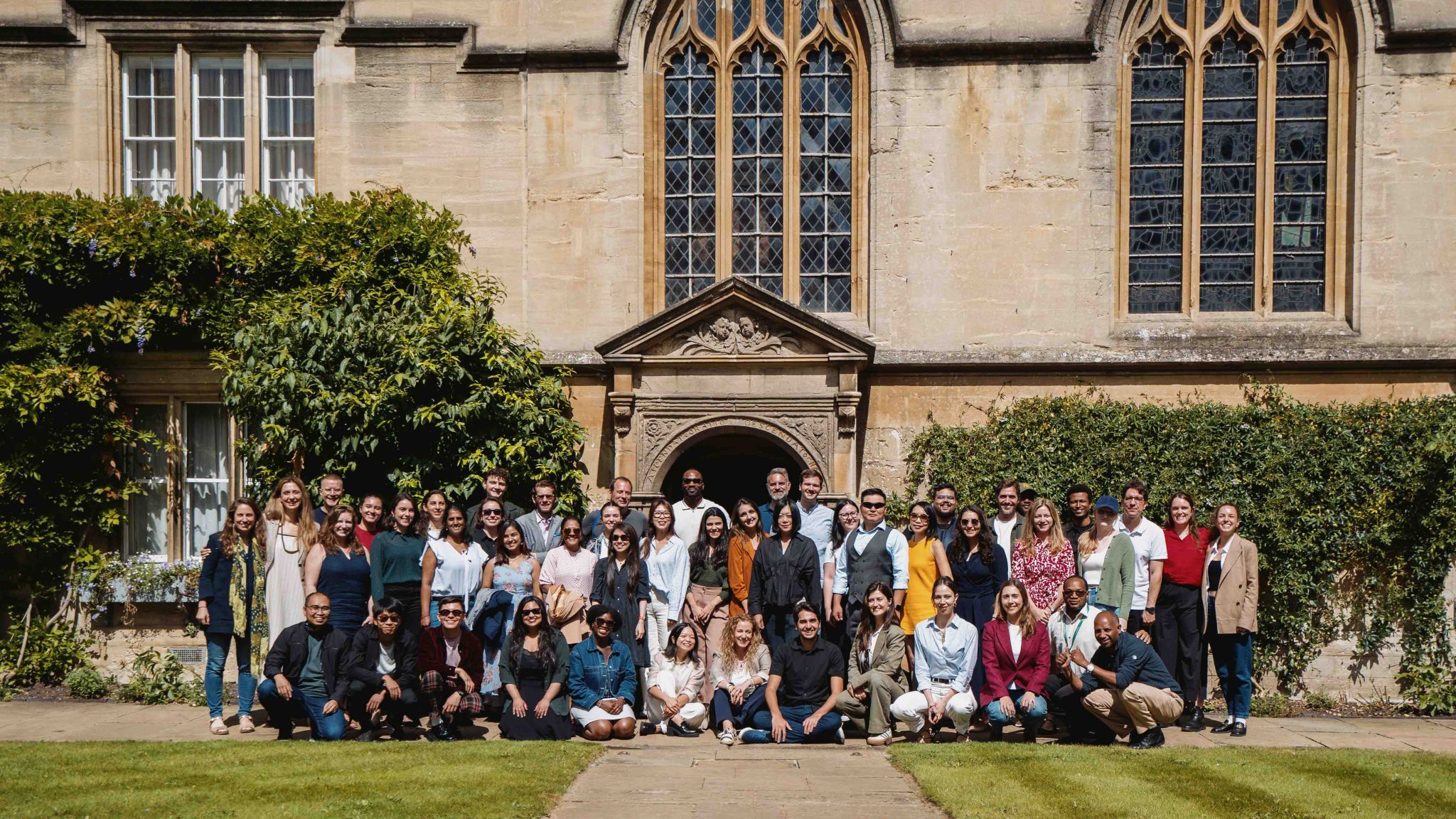
The Oxford Media Policy Summer Institute[1], held annually for over twenty-five years in person in Oxford, UK, is a prestigious program that unites leading communications scholars, media lawyers, regulators, human rights activists, technologists, and policymakers from around the globe. As an integral part of Oxford’s Centre for Socio-Legal Studies and the Faculty of Law, specifically through the Program in Comparative Media Law and Policy (PCMLP), the Institute fosters a global and multidisciplinary understanding of the complex relationships between technology, media, and policy. It aims to broaden the pool of talented scholars and practitioners, connect them to elite professionals, facilitate interdisciplinary dialogue, and build a space for future collaborations. With over 40 participants from more than 20 countries, the Institute provides an unparalleled opportunity to engage with diverse experiences and media environments. Its alumni network, comprising leaders in government, corporations, non-profits, and academia, remains vibrant and collaborative long after the program concludes.

Reflecting on my completion of the 2024 Oxford Media Policy Summer Institute, I am struck by the depth of knowledge I gained, particularly in the areas of media, tech and diversity, and AI policy. One of the most enlightening discussions revolved around the EU’s approach to regulating platforms like Facebook, Twitter, and Google. The EU has been at the forefront of creating frameworks that balance the need for free expression with the imperative to curb harmful content. I learned about the evolving regulatory landscape, including the Digital Services Act (DSA)—which addresses content moderation, online targeted advertising, and the configuration of online interfaces and recommender systems; and the Online Safety Bill—which seeks to hold tech giants accountable for the content on their platforms. These discussions highlighted the increasing importance of the “Fifth Estate,” a concept coined by William H. Dutton, referring to the networked individuals who, through the Internet, are empowering themselves in ways that challenge the control of information by traditional institutions.[2] The EU’s policies aim to regulate this new power dynamic while protecting vulnerable users and ensuring transparency and accountability.

Fig. 2. The 2024 Cohort of the Oxford Media Policy Summer Institute, 2024.

The Institute also provided invaluable insights into AI types, elections, and content moderation in the Global South. The discussions on the Global South’s technological maturity and policy governance revealed significant gaps in infrastructure, regulation, and policy. These challenges are evident in cases of internet censorship and shutdowns during political unrest, as well as instances of election manipulation. However, I also learned about innovative approaches being developed across the continent, which could serve as models for other regions. One such approach is a proposed third-wave model of tech governance that emphasizes local context, community involvement, and adaptive regulation.[3] This model would be more responsive to the unique challenges faced by countries in the Global South, including the need to balance development goals with the protection of human rights, ensuring they are not overpowered by the tech giants, which are primarily U.S.-based. This new model aligns with the idea of the Fifth Estate, as it seeks to empower local communities and their digital influence.

A particularly compelling aspect of the Institute was the examination of Meta’s Oversight Board and its role in protecting human rights amid global tech acceleration.[4] The Oversight Board represents a novel approach to content moderation, offering a degree of independence and transparency that is rare among tech companies. However, the discussions also highlighted the challenges the Board faces, including its limited jurisdiction and the broader question of how to ensure that human rights are upheld in an era of rapid technological change. Then there is the question of if it’s funded by Meta how can it be truly independent?

The need for stronger international frameworks and greater cooperation among stakeholders was a recurring theme, underscoring the importance of global collaboration in addressing these challenges. The Fifth Estate plays a critical role here as well, as the collective influence of networked individuals and organizations can push for greater accountability and human rights protections in the digital age.

Fig. 3. One of many group discussions, 2024.

The issue of foreign information manipulation, particularly disinformation campaigns designed to interfere with elections, was another critical topic. The example of Russia’s interference in U.S. and Ukrainian elections served as a stark reminder of the power of disinformation in destabilizing democracies.[5] The discussions at the Institute underscored the need for robust strategies to counter such threats, including better coordination between governments, tech companies, and civil society. Cybersecurity emerged as a key area of focus, particularly in ensuring the integrity of information in an age where AI is increasingly used to create and spread false narratives.

The role of the U.S. Federal Communications Commission (FCC) in shaping the future of AI and media policy was also a major point of discussion.[6] I gained a deeper understanding of the FCC’s mandate, particularly its focus on ensuring fair competition, protecting consumers, and promoting innovation. The FCC’s approach to AI reflects cautious optimism, recognizing the potential benefits of AI while also acknowledging the need for regulation to prevent abuses. The discussions highlighted the importance of balancing innovation with the need to protect the public from potential harms, particularly in areas such as privacy and data security.

Finally, the Institute emphasized the critical role of cybersecurity in maintaining information trust, especially against the backdrop of emerging AI technologies, which I detailed in my presentation (Fig 4). This included an overview of both the new NIST Cyber Security Framework (CSF) 2.0, which includes governance, and the NIST AI Risk Management Framework (RMF)—its lifecycle swim lanes with a description of the inputs and outputs. As AI becomes more sophisticated, the potential for malicious use grows, making cybersecurity a vital component of any strategy to protect information integrity. The discussions reinforced the idea that cybersecurity must be integrated into all aspects of tech policy, from content moderation to data protection, to ensure that AI is used responsibly.

Fig 4. Jeremy Swenson Presenting Eight Artificial Intelligence (AI) Cyber-Tech Observations, 2024.

In conclusion, my experience at the 2024 Oxford Media Policy Summer Institute was truly impactful. It underscored the significance of inclusivity, collaborative technological innovation, and the vital role of private sector competition in advancing progress. The recurring focus on the growth of the Global South’s tech economy emphasized the need for adaptable and locally tailored regulatory frameworks. As AI continues to develop, the urgency for comprehensive regulation and risk management frameworks is becoming increasingly evident. However, in many areas, it is still too early for definitive solutions, highlighting the necessity for ongoing research and learning.

There is a clear need for independent entities to provide checks and balances on big tech, with the Facebook Oversight Board serving as a promising start, though much more remains to be done. The strength and independence of journalism and free speech are undermined if they are weakened by misinformed platforms or overreaching governments. Network shutdowns and censorship should be rare, thoroughly justified, and subject to transparent auditing. The Institute has provided me with knowledge of the key stakeholders and their dependencies and levels of regulation. Importantly, I obtained key connections across the globe to engage meaningfully in these critical discussions, and I am eager to apply these insights in my future endeavors, be it a tech start-up, writing, or business advisory.

Last but not least, a big thanks to my esteemed fellow classmates this year. I could not have done it so well without all of you; thanks and much respect!

Ashwini Natesan for always correctly offering the Sri Lankan perspective. Martin Fertmann for shedding light on social media oversight. Erik Longo for offering insight on the DSA and related cyber risk. Davor Ljubenkov for the emerging tech and automation insight.Carolyn Khoo for insight on ‘The Korean Wave’. Purevsuren Boldkhuyag for the Asian legal and communication insight. Elena Perotti for the on-point public policy insight. Brandie Lustbader for winning a key legal issue and setting the example of justice and free speech in media. Jan Tancinco for the great insight on video and digital content strategy and innovation with the Prince reference! Thorin Bristow for your great article “Views on AI aren’t binary – they’re plural”. Eirliani Abdul Rahman for your insight on social media and digital AI from many orgs. Hafidz Hakimi ,Ph.D for the Malaysian legal perspective. Vinti Agarwal for the Indian legal view of e-sports/gaming. Numa Dhamani for your insight on AI, tech, and book writing. Bastian Scibbe for your insight on data protection and digital rights. John Okande for the Kenyan perspective on tech governance and policy. Ivana Bjelic Vucinic for the insight on the Global Forum for Media Development (GFMD). Ibrahim Sabra for insight on digital expression and social justice. Mesfin Fikre Woldmariam for the Ethiopian perspective on tech governance and free speech. Katie Mellinger for the FCC knowledge. Margareth Kang for the Brazilian tech public policy insight. Luise Eder for helping organize and lead all of this among a bunch of crafty intellectuals. Nicole Stremlau for leading such a diverse and important agenda at a time when it is so relevant. Thanks to everyone else as well.

About the Author:

Jeremy Swenson is a disruptive-thinking security entrepreneur, futurist/researcher, and senior management tech risk consultant. He is a frequent speaker, published writer, podcaster, and even does some pro bono consulting in these areas. He holds a certificate in Media Tech Policy from Oxford University. He holds an MBA from St. Mary’s University of MN, an MSST (Master of Science in Security Technologies) degree from the University of Minnesota, and a BA in political science from the University of Wisconsin Eau Claire. He is an alum of the Federal Reserve Secure Payment Task Force, the Crystal, Robbinsdale and New Hope Citizens Police Academy, and the Minneapolis FBI Citizens Academy.

References:


[1] University of Oxford. “Oxford Media Policy Summer Institute”. 2024. https://pcmlp.socleg.ox.ac.uk/oxford-media-policy-summer-institute-2024/

[2] Dutton, William. “The fifth estate: the power shift of the digital age.” Oxford University Press. 2023. https://www.tandfonline.com/doi/full/10.1080/1369118X.2024.2343811

[3] Flew, T., & Lin, F. “The third way of global Internet governance: A dialogue with Terry Flew.” Communication and the Public, 7(3). 2022. https://journals.sagepub.com/doi/full/10.1177/20570473221123150

[4] Meta. “The Oversight Board”. 2024. https://www.oversightboard.com/

[5] Tucker, Eric. “US disrupts Russian government-backed disinformation campaign that relied on AI technology”. AP. 2024. https://apnews.com/article/russia-disinformation-fbi-justice-department-50910729878377c0bf64a916983dbe44

[6] FCC. “The Opportunities and Challenges of Artificial Intelligence for Communications Networks and Consumers.” 2023. https://www.fcc.gov/fcc-nsf-ai-workshop

Investing in Yourself: The Ultimate Commitment

Fig. 1. Investing in Yourself, Warren Buffett, 2023.

07/22/24

In a world teeming with opportunities, distractions, and demands, it is easy to lose sight of the most crucial investment we can make: the investment in ourselves. This investment transcends financial gains or material possessions; it delves into the core of our being, encompassing our health, education, relationships, and personal growth. By prioritizing ourselves, we lay the foundation for a life brimming with purpose, fulfillment, and resilience.

The Most Significant Investment You Can Make Is in Yourself

1. Health as a Cornerstone: Investing in our health is paramount. Our physical well-being affects every aspect of our lives, from our ability to work and pursue passions to our capacity to enjoy moments with loved ones. Regular exercise, balanced nutrition, and adequate rest are not mere tasks but vital components of self-care. Just as a sturdy building requires a solid foundation, a fulfilling life necessitates robust health.

2. Cultivating Relationships: Our relationships significantly influence our happiness and well-being. Investing time and effort in building and maintaining meaningful connections enriches our lives. These bonds provide support, joy, and a sense of belonging. By nurturing relationships, we create a network of love and understanding that sustains us through life’s ups and downs.

3. Education and Continuous Learning: Education is not confined to formal institutions; it is a lifelong journey. By continuously seeking knowledge and skills, we adapt to an ever-changing world. This pursuit fosters intellectual growth and opens doors to new opportunities. As the saying goes, “Knowledge is power.” When we invest in learning, we empower ourselves to navigate challenges and seize possibilities with confidence.

4. Personal Growth and Self-Reflection: Personal growth is a continuous process of self-improvement. It involves setting goals, embracing challenges, and reflecting on experiences. This journey of self-discovery fosters resilience, self-awareness, and a deeper understanding of our purpose. When we invest in personal growth, we unlock our potential and become the best versions of ourselves.

True Absolute Confidence: The Power to Say No

Confidence is often misconstrued as the ability to assert oneself or to be outspoken. However, true absolute confidence is more nuanced and profound. It is the inner strength to make choices that align with our values and long-term well-being, even when these choices require saying no to things we desire.

1. Aligning Choices with Values: True confidence stems from a deep understanding of our values and priorities. It involves making decisions that reflect our authentic selves, even if they contradict external pressures or fleeting desires. For instance, saying no to a lucrative job offer that conflicts with our ethical beliefs or personal goals demonstrates unwavering confidence in our principles.

2. Prioritizing Long-Term Fulfillment Over Instant Gratification: In a society that often glorifies instant gratification, the ability to delay immediate rewards for long-term benefits is a mark of true confidence. It means forgoing short-term pleasures that could derail our progress or well-being. This could manifest in resisting unhealthy habits, declining invitations that compromise our productivity, or avoiding relationships that drain our energy.

3. Embracing the Power of Boundaries: Setting boundaries is a powerful act of self-respect and confidence. It involves recognizing our limits and protecting our time, energy, and mental health. Saying no to additional responsibilities when we are already overwhelmed or declining social engagements to focus on self-care are acts of confidence. They signify that we value ourselves enough to prioritize our needs.

4. Understanding the Bigger Picture: Confidence in saying no also comes from understanding the bigger picture of our lives. It requires recognizing that not every opportunity aligns with our vision or contributes to our growth. By discerning what truly matters, we make choices that propel us toward our goals. This perspective empowers us to say no with conviction, knowing that we are steering our lives in the right direction.

A Harmonious Blend: Investing in Yourself and Embracing Confidence

Investing in oneself and embracing the power of saying no are intrinsically connected. As we invest in our health, education, relationships, and personal growth, we build a foundation of self-worth and clarity. This foundation fortifies our confidence, enabling us to make choices that reflect our true selves.

Consider the analogy of a well-tended garden. Investing in ourselves is akin to nurturing the soil, planting seeds, and providing adequate care. As our garden flourishes, we gain the confidence to prune away weeds and unnecessary growth, ensuring that our efforts yield the most beautiful and abundant blooms. This harmonious blend of investment and confidence creates a life of purpose, joy, and fulfillment.

In conclusion, the most significant investment we can make is in ourselves. This investment encompasses our health, education, relationships, and personal growth. As we nurture these aspects, we cultivate a deep sense of self-worth and clarity. True absolute confidence emerges from this foundation, empowering us to say no to things that do not align with our values or long-term well-being. By embracing both investment and confidence, we navigate life with resilience, authenticity, and a profound sense of purpose. The photo below represents the result of investing in your health and fitness so you can hike to the mountaintop, which I did just outside of Los Vegas, Nevada, in Dec 2022.

Fig. 2. You can reach the mountaintop! Outside Las Vegas, Nevada, Dec 2022.

About the Author:

Jeremy Swenson is a disruptive-thinking security entrepreneur, futurist/researcher, and senior management tech risk consultant. He is a frequent speaker, published writer, podcaster, and even does some pro bono consulting in these areas. He holds an MBA from St. Mary’s University of MN, an MSST (Master of Science in Security Technologies) degree from the University of Minnesota, and a BA in political science from the University of Wisconsin Eau Claire. He is an alum of the Federal Reserve Secure Payment Task Force, the Crystal, Robbinsdale and New Hope Citizens Police Academy, and the Minneapolis FBI Citizens Academy.

The Synergy of Art and Technology: Innovation Through Music

Fig. 1. Explore the landscape of AI-Generated Music. Todd S Omohundro, 2024.

Art and technology, though seemingly different realms, have consistently converged to drive groundbreaking innovations. When these two domains intersect, they enhance each other’s potential, creating new pathways for expression, communication, and progress. Music, a quintessential form of art, has particularly benefited from technological advancements, leading to transformative changes in how music is created, distributed, and experienced. This essay explores the importance of the symbiotic relationship between art and technology in music, highlights pioneering musicians who have embraced technology, and outlines the steps to innovation in this fusion, including the significant financial and business impacts of technologies like streaming.

The Convergence of Art and Technology in Music

Music and technology have been intertwined since the earliest days of instrument development. From the invention of the piano to the electric guitar, technological advancements have continually expanded the boundaries of musical expression. In the modern era, digital technology has revolutionized music production, distribution, and consumption.

The importance of this convergence lies in its ability to democratize music creation and distribution. Technology enables musicians to produce high-quality recordings without the need for expensive studio time, distribute their music globally via digital platforms, and interact with their audience in real-time through social media. This democratization has not only increased the diversity of music available but has also given rise to new genres and forms of expression that were previously unimaginable.

Pioneering Musicians in Technology

Several musicians have stood out as pioneers in integrating technology into their art, pushing the boundaries of what is possible in music.

  1. Brian Eno: Often regarded as the godfather of ambient music, Brian Eno’s work in the 1970s with synthesizers and tape machines laid the foundation for electronic music. His innovations in the use of the studio as an instrument and his development of generative music, which uses algorithms to create ever-changing compositions, have had a lasting impact on the music industry.
  2. Björk: Icelandic artist Björk is renowned for her avant-garde approach to music and technology. Her 2011 album “Biophilia” was released as a series of interactive apps, each corresponding to a different track. This innovative format allowed listeners to explore the music through visual and tactile interaction, blending auditory and digital experiences.
  3. Imogen Heap: British musician Imogen Heap has been at the forefront of music technology with her development of the Mi.Mu gloves. These wearable controllers allow musicians to manipulate sound and effects through hand gestures, providing a new way to perform and interact with music.
  4. Prince: Prince was a visionary who seamlessly integrated technology into his music. He was one of the first major artists to sell an album (1997’s “Crystal Ball”) directly to fans via the internet, bypassing traditional distribution channels. Prince’s use of digital recording techniques and electronic instruments in his music, along with his pioneering approach to online music distribution, showcased his forward-thinking approach to the convergence of music and technology.
  5. Billy Corgan: As the frontman of The Smashing Pumpkins, Billy Corgan has been an advocate for technological advancements in music. He embraced the digital recording revolution early on and has continually pushed the boundaries of what can be achieved in the studio. His use of layered guitars and innovative recording techniques has influenced countless artists and producers.

Financial and Business Impacts of Music Technology

The fusion of music and technology has not only transformed artistic expression but has also had significant financial and business impacts. The advent of digital streaming platforms like Spotify, Apple Music, and Tidal has revolutionized the music industry’s economic model.

  1. Revenue Streams: Streaming has created new revenue streams for artists, labels, and tech companies. While physical album sales have declined, the revenue from streaming subscriptions and ad-supported models has surged, offering artists new ways to monetize their work.
  2. Global Reach: Technology has enabled artists to reach global audiences instantly. Musicians can now distribute their music worldwide with a single click, breaking down geographical barriers and allowing for a more diverse and inclusive music industry.
  3. Data Analytics: Streaming platforms provide valuable data analytics to artists and labels, offering insights into listener behavior, preferences, and trends. This information helps musicians make informed decisions about marketing, touring, and production.
  4. Direct-to-Fan Engagement: Social media and other digital tools allow artists to engage directly with their fans, fostering a more personal connection and enabling innovative marketing strategies. Crowdfunding platforms like Kickstarter and Patreon have also emerged, allowing fans to directly support their favorite artists’ projects.

Steps to Innovation in Music Technology

Innovation at the intersection of music and technology follows several key steps:

  1. Identification of a Need or Opportunity: Innovation begins with recognizing a gap or potential for improvement. For instance, the traditional music industry’s limitations in distribution and production led to the development of digital audio workstations (DAWs) and streaming platforms.
  2. Research and Development: This step involves exploring existing technologies and experimenting with new ideas. Musicians like Brian Eno experimented with tape loops and synthesizers to create new sounds, while modern artists might explore artificial intelligence to compose music.
  3. Implementation and Dissemination: Once a viable innovation is developed, it must be implemented and shared with the broader community. Digital platforms like SoundCloud and Bandcamp have been instrumental in distributing new music technologies and innovations.
  4. Feedback and Iteration: Continuous improvement based on feedback is essential. As technology evolves, so too must the tools and methods used by musicians. This iterative process ensures that innovations remain relevant and effective.
  5. Collaboration: Innovation often requires interdisciplinary collaboration. Musicians work with software developers, engineers, and designers to create new instruments, applications, and performance tools. Björk’s “Biophilia” project, for example, involved collaboration with app developers, designers, and scientists.
  6. Prototyping and Testing: Creating prototypes and testing them in real-world scenarios is crucial. Imogen Heap’s development of the Mi.Mu gloves involved numerous iterations and live performance testing to refine the technology.

Conclusion

The fusion of art and technology, particularly in music, has led to profound innovations that have reshaped the landscape of the industry. Pioneering musicians like Brian Eno, Björk, Imogen Heap, Billy Corgan, and Prince have not only expanded the boundaries of musical expression but have also democratized the creation and distribution of music. The integration of technology in music production and distribution has had significant financial and business impacts, revolutionizing revenue streams, global reach, data analytics, and fan engagement. By following a structured approach to innovation, which includes identifying opportunities, research and development, collaboration, prototyping, implementation, and iteration, artists can continue to push the envelope and create transformative experiences. As technology continues to evolve, the potential for new and exciting innovations in music is boundless, promising a future where the synergy of art and technology will continue to inspire and amaze.

About the Author:

Jeremy Swenson is a disruptive-thinking security entrepreneur, futurist/researcher, and senior management tech risk consultant. He is a frequent speaker, published writer, podcaster, and even does some pro bono consulting in these areas. He holds an MBA from St. Mary’s University of MN, an MSST (Master of Science in Security Technologies) degree from the University of Minnesota, and a BA in political science from the University of Wisconsin Eau Claire. He is an alum of the Federal Reserve Secure Payment Task Force, the Crystal, Robbinsdale and New Hope Citizens Police Academy, and the Minneapolis FBI Citizens Academy.

Setting High Standards: The Path to Personal and Professional Fulfillment

Fig. 1. Tony Robbins.

#inspiration #mondays #strength #leadership

07/09/24

Introduction:

When you set high standards in your life, the right people will respect you more, and the wrong people will leave you – totally worth doing. High standards act as a filter, ensuring that only those who align with your values and aspirations remain in your life. This isn’t just about weeding out negative influences; it’s about creating a space where genuine connections and mutual respect can flourish.

Merely being humble and having a negative self-view won’t facilitate personal growth; in fact, it can hinder your development. Constant self-criticism conditions you to accept lower standards and mediocrity, which is the opposite of your goals. To become a better person, you need to push yourself to achieve more, behave better, and consistently surpass previous versions of yourself. A foolproof way to aggressively pursue personal growth is to hold yourself to a high set of personal standards and strive relentlessly to meet them. By maintaining these high standards, you’ll achieve faster progress than you would otherwise. I’ve found that when I pressure myself to act or live up to a certain standard, it becomes much easier to accomplish my goals.

The Importance of High Standards

Setting high standards is about more than just aiming for excellence; it’s about defining what excellence looks like for you. It means knowing your worth, understanding your goals, and being committed to personal growth. When you have high standards, you make decisions that reflect your values and priorities. This clarity attracts like-minded individuals who share your vision and are willing to support your journey.

On the flip side, high standards naturally repel those who are not aligned with your values. These individuals might find it challenging to meet your expectations and may choose to leave. While this can be difficult, it is ultimately beneficial. By removing those who don’t support your growth, you create space for relationships that are positive, supportive, and growth-oriented.

Self-Reflection and Accountability

You are where you put yourself, so if it’s bad, look around and in the mirror. This statement emphasizes the importance of self-reflection and accountability. If you find yourself in an undesirable situation, it’s crucial to assess your surroundings and your role in creating that environment. Self-reflection involves asking tough questions: Are your actions and decisions aligned with your values? Are you allowing negative influences to dictate your path?

Accountability is key to personal growth. By acknowledging your role in your current situation, you empower yourself to make changes. This might mean reassessing your goals, setting new boundaries, or even making difficult decisions to remove toxic influences from your life. Change what you need to. By taking responsibility, you can take control of your future and steer it towards a more positive and fulfilling direction.

Enjoying the Fruits of High Standards

Yet, if it’s excellent, you are too busy enjoying life and love to worry about anything – self-actualized! When you set and maintain high standards, the rewards are immense. You find yourself surrounded by people who respect and support you, engaged in activities that fulfill you, and living a life that aligns with your deepest values. This is the essence of self-actualization – reaching your fullest potential and experiencing true happiness and contentment.

Self-actualization doesn’t mean the absence of challenges, but it does mean having the resilience and support network to navigate them effectively. When you are surrounded by the right people and engaged in meaningful pursuits, you are better equipped to handle adversity and continue growing.

Inspiring Others Through High Standards

I hope to inspire you all to set the right standards for love, innovation, faith, and peace today and beyond. By living your life according to high standards, you become a beacon of inspiration for others. Your commitment to excellence, integrity, and personal growth can motivate those around you to strive for the same. Thanks for being a part of my very strong network. I am so grateful, and I know you all have set a high standard to do great things in one way or another.

Your network is a reflection of your standards. When you surround yourself with individuals who share your commitment to excellence, you create a community that fosters mutual growth and support. This network becomes a source of strength, encouragement, and inspiration, helping each member achieve their best.

Embracing the Week Ahead

Each week is a new week and the past should be forgotten, all the while lessons learned. This week is yours to win! Don’t settle for less than your best! Each week presents a new opportunity to reaffirm your standards and strive for excellence. Approach each day with the determination to uphold your values, pursue your goals, and make a positive impact. Remember that your actions not only affect your own life but also influence those around you.

When you commit to giving your best, you inspire others to do the same. Your dedication to excellence creates a ripple effect, lifting up others along the way. This collective pursuit of high standards can lead to transformative change, both in your personal life and in your broader community.

Conclusion

Setting high standards is a powerful tool for personal and professional growth. It helps you attract the right people, fosters self-reflection and accountability, including a practice regime and allows you to enjoy a deeply fulfilling life. By maintaining these standards, you not only enhance your own life but also inspire and uplift those around you. Embrace each week with the resolve to uphold your values and strive for excellence. 😎

About the Author:

Jeremy Swenson is a disruptive-thinking security entrepreneur, futurist/researcher, and senior management tech risk consultant. He is a frequent speaker, published writer, podcaster, and even does some pro bono consulting in these areas. He holds an MBA from St. Mary’s University of MN, an MSST (Master of Science in Security Technologies) degree from the University of Minnesota, and a BA in political science from the University of Wisconsin Eau Claire. He is an alum of the Federal Reserve Secure Payment Task Force, the Crystal, Robbinsdale and New Hope Citizens Police Academy, and the Minneapolis FBI Citizens Academy.

Leading Record Labels Sue AI Music Startups Over Alleged Song Copying for AI Training

Fig. 1. Universal Music Group Logo, SOPA Images/Lightrocket via Getty Images, 2024.

#AIMusic #MusicTech #AIMusicGeneration #MusicIndustry #TechInMusic #MusicInnovation #AIMusicCreators #AIMusicRevolution #FutureOfMusic

AI is challenging the music business in terms of artistic creation and legality, and the waters are very muddy right now. The music industry has officially declared war on AI music generators Suno and Udio, with major record labels including Universal Music Group (UMG), Sony Music Group, and Warner Music Group filing lawsuits against the companies for alleged massive copyright infringement.[1] This legal action marks the latest confrontation between the entertainment and AI industries.

In lawsuits filed in Massachusetts against Suno and in New York against Udio’s parent company, Uncharted Inc., the record labels accuse the companies of copying sound recordings on a large scale to train their AI models. The lawsuits, managed by the Recording Industry Association of America (RIAA), seek declarations of infringement, injunctions to prevent future unauthorized use, and damages for past violations.[2] The plaintiffs argue that these AI services could not produce their convincing imitations without illegally using copyrighted material from artists like ABBA, Jason Derulo, and Mariah Carey.[3]

RIAA chief legal officer Ken Doroshow emphasized the need for these lawsuits to establish clear guidelines for ethical and lawful AI development. Similarly, RIAA Chairman and CEO Mitch Glazier criticized the unlicensed use of artists’ work for profit, arguing that it undermines the potential for genuinely innovative AI.[4]

Suno CEO Mikey Shulman responded by asserting that Suno values originality and aims to create new content rather than replicate existing works. Despite attempting to explain their approach to the record labels, Shulman stated that the labels reverted to their traditional legal tactics. Udio, founded last December, similarly declined to comment on whether it had used copyrighted material without permission.

The lawsuits provide specific examples of alleged infringement. For instance, Suno is accused of generating music almost identical to Chuck Berry’s “Johnny B. Goode,” while Udio is said to have created outputs resembling Mariah Carey’s “All I Want for Christmas Is You.[5]” These examples include side-by-side comparisons of music and lyrics to illustrate the similarities.

This legal action is part of a broader trend of copyright infringement lawsuits faced by AI companies. Authors, actors, and other creatives have previously sued companies like OpenAI for similar reasons, highlighting growing concerns about the use of copyrighted material to train AI models without proper licensing.[6]

Despite the legal battles, the music industry is not entirely opposed to AI. Many labels are exploring partnerships with AI companies to develop tools that enhance human creativity while respecting intellectual property rights. For example, UMG recently announced a collaboration with voice cloning startup SoundLabs. However, the industry insists that licensing is essential to ensure fair compensation and respect for artists’ work.

The rise of AI-generated music presents significant challenges to the traditional music industry. Without proper licensing and compensation, AI-generated content could flood the market, diminishing the value of genuine recordings.[7] The lawsuits against Suno and Udio highlight the industry’s commitment to protecting its intellectual property and establishing a sustainable relationship between AI and human creators through fair market practices.

Real musicianship matters, but so too does tech-assisted production. Yet the building blocks of music should not be copyrightable, as every musician uses them in one way or another. The lawsuits only target those artists who have made money selling records, not those who used the same building blocks but sold little to no records.

About the Author:

Jeremy Swenson is a disruptive-thinking security entrepreneur, futurist/researcher, and senior management tech risk consultant. He is a frequent speaker, published writer, podcaster, and even does some pro bono consulting in these areas. He holds an MBA from St. Mary’s University of MN, an MSST (Master of Science in Security Technologies) degree from the University of Minnesota, and a BA in political science from the University of Wisconsin Eau Claire. He is an alum of the Federal Reserve Secure Payment Task Force, the Crystal, Robbinsdale and New Hope Citizens Police Academy, and the Minneapolis FBI Citizens Academy.


[1] Bohannon, Molly. “Major Record Labels Sue AI Music Startups For Allegedly Copying Songs To Train AI.” Forbes. 06/24/24. https://www.forbes.com/sites/mollybohannon/2024/06/24/major-record-labels-sue-ai-music-startups-for-allegedly-copying-songs-to-train-ai/

[2] Knibbs, Kate. “US Record Labels Sue AI Music Generators Suno and Udio for Copyright Infringement”. Wired. 06/24/24. https://www.wired.com/story/ai-music-generators-suno-and-udio-sued-for-copyright-infringement/

[3] Knibbs, Kate. “US Record Labels Sue AI Music Generators Suno and Udio for Copyright Infringement”. Wired. 06/24/24. https://www.wired.com/story/ai-music-generators-suno-and-udio-sued-for-copyright-infringement/

[4] Bohannon, Molly. “Major Record Labels Sue AI Music Startups For Allegedly Copying Songs To Train AI.” Forbes. 06/24/24. https://www.forbes.com/sites/mollybohannon/2024/06/24/major-record-labels-sue-ai-music-startups-for-allegedly-copying-songs-to-train-ai/

[5] Bohannon, Molly. “Major Record Labels Sue AI Music Startups For Allegedly Copying Songs To Train AI.” Forbes. 06/24/24. https://www.forbes.com/sites/mollybohannon/2024/06/24/major-record-labels-sue-ai-music-startups-for-allegedly-copying-songs-to-train-ai/

[6] Knibbs, Kate. “US Record Labels Sue AI Music Generators Suno and Udio for Copyright Infringement”. Wired. 06/24/24. https://www.wired.com/story/ai-music-generators-suno-and-udio-sued-for-copyright-infringement/

[7] Bohannon, Molly. “Major Record Labels Sue AI Music Startups For Allegedly Copying Songs To Train AI.” Forbes. 06/24/24. https://www.forbes.com/sites/mollybohannon/2024/06/24/major-record-labels-sue-ai-music-startups-for-allegedly-copying-songs-to-train-ai/

Memorial Day: Honoring Sacrifice and Embracing Technological Evolution in Defense

Memorial Day, Stock Image, 2024.

Memorial Day stands as a solemn and profound tribute to the men and women who have laid down their lives in service to the United States. Observed on the last Monday of May, this federal holiday serves not only as a time for reflection and remembrance but also as an opportunity to acknowledge the evolving landscape of defense, particularly the critical role of technology and innovation. As we honor fallen heroes, we also recognize how advancements in technology have transformed military strategies, enhanced national security, and, tragically, brought both triumphs and losses.

The Essence of Memorial Day:

Memorial Day’s origins date back to the post-Civil War era when it was first known as Decoration Day, a time to decorate the graves of fallen soldiers with flowers. Over time, the holiday expanded to honor all American military personnel who died in service. Today, Memorial Day is marked by ceremonies at cemeteries, memorials, and monuments across the nation. The National Moment of Remembrance at 3:00 PM local time encapsulates the spirit of the day, encouraging Americans to pause and reflect on the sacrifices made for their freedoms.

The Intersection of Memorial Day and Technological Innovation:

The defense industry, marked by rapid technological advancements, plays a crucial role in the nation’s security. Memorial Day reminds us not only of the human cost of war but also of the continuous evolution in warfare technology, which has both saved lives and led to new forms of conflict.

One of the most significant technological advancements in modern warfare is the development and deployment of unmanned aerial vehicles (UAVs), commonly known as drones. These drones have revolutionized reconnaissance and targeted strikes, reducing the need for manned missions and thereby decreasing the risk to military personnel. Yet, despite these advancements, the stories of fallen heroes remind us that technology can only do so much to mitigate the inherent dangers of military service.

Examples of Fallen Heroes:

Among the many who have paid the ultimate price, a few stories stand out, embodying courage and sacrifice:

  1. Sergeant First Class Paul R. Smith: During the 2003 invasion of Iraq, Smith’s unit was attacked by a large enemy force. He manned a machine gun on an armored vehicle, providing covering fire and enabling the evacuation of wounded soldiers. Smith’s actions were pivotal in repelling the attack but led to his death. He was awarded the Medal of Honor for his bravery.
  2. Lieutenant Michael P. Murphy: A Navy SEAL, Murphy was posthumously awarded the Medal of Honor for his actions during Operation Red Wings in Afghanistan. His team was ambushed by Taliban forces, and despite being gravely wounded, Murphy exposed himself to enemy fire to call for reinforcements, ultimately saving the lives of his teammates at the cost of his own.
  3. Specialist Vanessa Guillen: Her tragic story highlights not only the dangers faced by service members but also the critical issues within military culture. Guillen was murdered at Fort Hood in 2020, bringing to light significant problems regarding sexual harassment and violence within the military ranks. Her death sparked a movement for better protection and rights for military personnel.

The Role of Technology in Honoring Sacrifice:

As we honor these and countless other fallen heroes, it is important to consider how technology serves their memory and supports current service members. Advanced medical technologies and innovations in prosthetics have significantly improved the quality of life for wounded veterans. Moreover, initiatives like the use of virtual reality (VR) for training purposes help prepare soldiers for the complexities of modern warfare without the immediate risks posed by live combat.

Also, technology plays a crucial role in preserving the legacy of fallen heroes. Digital archives, virtual memorials, and genealogy databases ensure that the stories and sacrifices of military personnel are not forgotten. These resources allow families and future generations to connect with their history and understand the profound impacts of service and sacrifice.

Conclusion:

Memorial Day is a key reminder of the sacrifices made by military personnel throughout American history. As we honor their memory, we also acknowledge the role of technological innovation in shaping modern defense strategies and safeguarding our nation. The stories of fallen heroes like Lieutenant Michael P. Murphy, Sergeant First Class Paul R. Smith, and Specialist Vanessa Guillen exemplify the bravery and dedication of those who serve. Through continued advancements in technology, we strive to reduce the human cost of conflict while ensuring that the legacy of those who have fallen is preserved and honored for generations to come.

About the Author:

Jeremy Swenson is a disruptive-thinking security entrepreneur, futurist/researcher, and senior management tech risk consultant. He is a frequent speaker, published writer, podcaster, and even does some pro bono consulting in these areas. He holds an MBA from St. Mary’s University of MN, an MSST (Master of Science in Security Technologies) degree from the University of Minnesota, and a BA in political science from the University of Wisconsin Eau Claire. He is an alum of the Federal Reserve Secure Payment Task Force, the Crystal, Robbinsdale and New Hope Citizens Police Academy, and the Minneapolis FBI Citizens Academy.