
Minneapolis—07/14/25
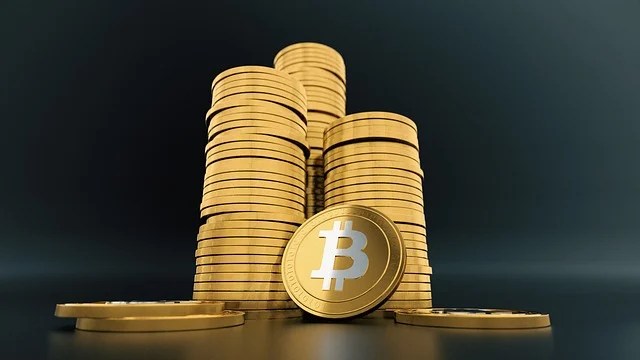
Fig. 1. Bitcoin Stock Image, 2025.
Investor enthusiasm for Bitcoin continues to grow as corporate treasuries ramp up their acquisitions and the U.S. Congress edges closer to passing pivotal cryptocurrency legislation. Starting on 07/14/25, the U.S. House of Representatives will begin reviewing a suite of crypto-related bills during what has been labeled “Crypto Week.” These proposed measures aim to establish a more transparent regulatory framework for digital assets—an initiative long championed by the crypto industry. The policy push has received backing from former President Donald Trump, who has positioned himself as a crypto-friendly leader and is involved in multiple blockchain-related ventures. Among the most closely watched proposals is the Genius Act, which could introduce federal oversight for stablecoins pegged to the U.S. dollar and potentially open the door for private companies to issue digital dollars.
However, on 11/10/10, Bitcoin was trading at roughly $0.23 per coin.(1) If you had invested $2,300 then, you could’ve acquired 10,000 BTC. At the time, that decision would’ve seemed obscure, laughable even, especially compared to buying gold, stocks, or real estate. The real estate market was down then due to the mortgage bubble-induced Great Recession.
But today, with Bitcoin priced at $121,000 per coin (2), that same purchase would now be worth an astonishing $1.21 billion. Your original $2,300 would have grown by over 52 million percent, delivering a profit of $1,209,997,700—yes, that is billions! That’s not just life-changing wealth—it’s generational. Billionaire status, from a sum that’s less than many people’s rent check.
The High-Risk Investment Nobody Believed In:
Despite the reward, a 2010 Bitcoin investment was far from low-risk. Investors at the time faced:
- Technology Risk: You had to navigate early exchanges like Mt. Gox and use command-line wallets.
- Security Risk: Wallet hacks and exchange thefts were rampant. There was no FDIC or insurance for crypto losses.(3)
- Regulatory Uncertainty: Bitcoin was considered the currency of the dark web. Its legal future was murky at best.(4)
- Volatility: There were frequent 70–90% drawdowns. Many early holders sold at $1, $10, or $100, fearing it would crash back to zero.
To hold 10,000 BTC from 2010 to 2025 required not just foresight—but ironclad conviction and secure digital hygiene.
Three People Who Made (and Kept) Their Bitcoin Fortunes:
1. Erik Finman
In 2011, a teenage Finman bought about 100 BTC with $1,000. By the time he was 18, he had become a millionaire. He parlayed his gains into building educational tech ventures and became a public face for Gen Z crypto success.(5)
2. Roger Ver
Known as “Bitcoin Jesus,” Ver was among the first to promote Bitcoin full-time. He invested heavily when it was under $1, and his early holdings are believed to number in the hundreds of thousands. Though later he championed Bitcoin Cash, his Bitcoin fortune is still substantial.(6)
3. Charlie Shrem
A co-founder of BitInstant, Shrem acquired thousands of Bitcoins in 2011, using them to build infrastructure for Bitcoin access. Though he served prison time due to regulatory issues, his stake made him a multimillionaire.(7)
Is There Another Bitcoin Out There?
It’s easy to dream that another asset might offer Bitcoin-like returns. But we should note:
- Bitcoin was a first-mover. It’s the only digital asset to go from $0.01 to over $100,000 while maintaining broad global recognition.
- Markets are now institutionalized. Regulators, hedge funds, and custodians watch the crypto space closely, making “wild west” gains harder to find.
- Asymmetric bets still exist. AI startups, early-stage biotech, and deep-tech platforms might offer the next moonshot—but with similar volatility and failure risk.
Lessons from the Bitcoin Billionaires:
- Be Early—but Stay Invested Timing is only half the story. Holding through crashes (like in 2014, 2018, and 2022) was just as critical.
- Protect Your Holdings Many early holders lost everything due to poor key management. Cold wallets and secure backups are vital.
- Have Conviction Amid Doubt The biggest returns often come from believing before the crowd does—when the risk feels scariest.
Final Word: From $2,300 to $1.21 Billion:
Had you purchased 10,000 BTC for $2,300 on November 30, 2010, and held it securely for 15 years, you’d now be worth $1.21 billion. Few people made that choice, and even fewer had the resolve to hold. But this extreme example offers a timeless insight: Fortune doesn’t just favor the bold—it favors the bold who are patient, prepared, and just a little bit lucky. One thing is for sure: paper and coin currency are dead, too burdensome, and are declining in use over credit cards.
Footnotes:
- CoinMarketCap. (2023). Bitcoin Historical Data – November 2010. Retrieved from https://coinmarketcap.com
- Yahoo Finance. (2025, July 14). Bitcoin (BTC-USD) price. Retrieved from https://finance.yahoo.com
- Popper, N. (2015). Digital Gold: Bitcoin and the Inside Story of the Misfits and Millionaires Trying to Reinvent Money. Harper.
- Greenberg, A. (2014). This Machine Kills Secrets. Dutton.
- CNBC. (2017, Dec 14). Teen Bitcoin Millionaire Erik Finman. https://www.cnbc.com
- The Guardian. (2017, July 2). Bitcoin’s Evangelist: Roger Ver. https://www.theguardian.com
- Wired. (2014, Jan 27). Bitcoin’s First Felon: The Rise and Fall of Charlie Shrem. https://www.wired.com
About the Author:
Jeremy Swenson is a disruptive-thinking security entrepreneur, futurist/researcher, and senior management tech risk consultant. Over 17 years, he has held progressive roles at many banks, insurance companies, retailers, healthcare organizations, and even government entities. Organizations appreciate his talent for bridging gaps, uncovering hidden risk management solutions, and simultaneously enhancing processes. He is a frequent speaker, podcaster, and a published writer – CISA Magazine and the ISSA Journal, among others. He holds a certificate in Media Technology from Oxford University’s Media Policy Summer Institute, an MBA from Saint Mary’s University of MN, an MSST (Master of Science in Security Technologies) degree from the University of Minnesota, and a BA in political science from the University of Wisconsin Eau Claire. He is an alum of the Cyber Security Summit Think Tank , the Federal Reserve Secure Payment Task Force, the Crystal, Robbinsdale and New Hope Citizens Police Academy, and the Minneapolis FBI Citizens Academy. He also has certifications from Intel and the Department of Homeland Security.

 Abstract Forward Consulting