

Fig. 1. Explore the landscape of AI-Generated Music. Todd S Omohundro, 2024.
Art and technology, though seemingly different realms, have consistently converged to drive groundbreaking innovations. When these two domains intersect, they enhance each other’s potential, creating new pathways for expression, communication, and progress. Music, a quintessential form of art, has particularly benefited from technological advancements, leading to transformative changes in how music is created, distributed, and experienced. This essay explores the importance of the symbiotic relationship between art and technology in music, highlights pioneering musicians who have embraced technology, and outlines the steps to innovation in this fusion, including the significant financial and business impacts of technologies like streaming.
The Convergence of Art and Technology in Music
Music and technology have been intertwined since the earliest days of instrument development. From the invention of the piano to the electric guitar, technological advancements have continually expanded the boundaries of musical expression. In the modern era, digital technology has revolutionized music production, distribution, and consumption.
The importance of this convergence lies in its ability to democratize music creation and distribution. Technology enables musicians to produce high-quality recordings without the need for expensive studio time, distribute their music globally via digital platforms, and interact with their audience in real-time through social media. This democratization has not only increased the diversity of music available but has also given rise to new genres and forms of expression that were previously unimaginable.
Pioneering Musicians in Technology
Several musicians have stood out as pioneers in integrating technology into their art, pushing the boundaries of what is possible in music.
- Brian Eno: Often regarded as the godfather of ambient music, Brian Eno’s work in the 1970s with synthesizers and tape machines laid the foundation for electronic music. His innovations in the use of the studio as an instrument and his development of generative music, which uses algorithms to create ever-changing compositions, have had a lasting impact on the music industry.
- Björk: Icelandic artist Björk is renowned for her avant-garde approach to music and technology. Her 2011 album “Biophilia” was released as a series of interactive apps, each corresponding to a different track. This innovative format allowed listeners to explore the music through visual and tactile interaction, blending auditory and digital experiences.
- Imogen Heap: British musician Imogen Heap has been at the forefront of music technology with her development of the Mi.Mu gloves. These wearable controllers allow musicians to manipulate sound and effects through hand gestures, providing a new way to perform and interact with music.
- Prince: Prince was a visionary who seamlessly integrated technology into his music. He was one of the first major artists to sell an album (1997’s “Crystal Ball”) directly to fans via the internet, bypassing traditional distribution channels. Prince’s use of digital recording techniques and electronic instruments in his music, along with his pioneering approach to online music distribution, showcased his forward-thinking approach to the convergence of music and technology.
- Billy Corgan: As the frontman of The Smashing Pumpkins, Billy Corgan has been an advocate for technological advancements in music. He embraced the digital recording revolution early on and has continually pushed the boundaries of what can be achieved in the studio. His use of layered guitars and innovative recording techniques has influenced countless artists and producers.
Financial and Business Impacts of Music Technology
The fusion of music and technology has not only transformed artistic expression but has also had significant financial and business impacts. The advent of digital streaming platforms like Spotify, Apple Music, and Tidal has revolutionized the music industry’s economic model.
- Revenue Streams: Streaming has created new revenue streams for artists, labels, and tech companies. While physical album sales have declined, the revenue from streaming subscriptions and ad-supported models has surged, offering artists new ways to monetize their work.
- Global Reach: Technology has enabled artists to reach global audiences instantly. Musicians can now distribute their music worldwide with a single click, breaking down geographical barriers and allowing for a more diverse and inclusive music industry.
- Data Analytics: Streaming platforms provide valuable data analytics to artists and labels, offering insights into listener behavior, preferences, and trends. This information helps musicians make informed decisions about marketing, touring, and production.
- Direct-to-Fan Engagement: Social media and other digital tools allow artists to engage directly with their fans, fostering a more personal connection and enabling innovative marketing strategies. Crowdfunding platforms like Kickstarter and Patreon have also emerged, allowing fans to directly support their favorite artists’ projects.
Steps to Innovation in Music Technology
Innovation at the intersection of music and technology follows several key steps:
- Identification of a Need or Opportunity: Innovation begins with recognizing a gap or potential for improvement. For instance, the traditional music industry’s limitations in distribution and production led to the development of digital audio workstations (DAWs) and streaming platforms.
- Research and Development: This step involves exploring existing technologies and experimenting with new ideas. Musicians like Brian Eno experimented with tape loops and synthesizers to create new sounds, while modern artists might explore artificial intelligence to compose music.
- Implementation and Dissemination: Once a viable innovation is developed, it must be implemented and shared with the broader community. Digital platforms like SoundCloud and Bandcamp have been instrumental in distributing new music technologies and innovations.
- Feedback and Iteration: Continuous improvement based on feedback is essential. As technology evolves, so too must the tools and methods used by musicians. This iterative process ensures that innovations remain relevant and effective.
- Collaboration: Innovation often requires interdisciplinary collaboration. Musicians work with software developers, engineers, and designers to create new instruments, applications, and performance tools. Björk’s “Biophilia” project, for example, involved collaboration with app developers, designers, and scientists.
- Prototyping and Testing: Creating prototypes and testing them in real-world scenarios is crucial. Imogen Heap’s development of the Mi.Mu gloves involved numerous iterations and live performance testing to refine the technology.
Conclusion
The fusion of art and technology, particularly in music, has led to profound innovations that have reshaped the landscape of the industry. Pioneering musicians like Brian Eno, Björk, Imogen Heap, Billy Corgan, and Prince have not only expanded the boundaries of musical expression but have also democratized the creation and distribution of music. The integration of technology in music production and distribution has had significant financial and business impacts, revolutionizing revenue streams, global reach, data analytics, and fan engagement. By following a structured approach to innovation, which includes identifying opportunities, research and development, collaboration, prototyping, implementation, and iteration, artists can continue to push the envelope and create transformative experiences. As technology continues to evolve, the potential for new and exciting innovations in music is boundless, promising a future where the synergy of art and technology will continue to inspire and amaze.
About the Author:
Jeremy Swenson is a disruptive-thinking security entrepreneur, futurist/researcher, and senior management tech risk consultant. He is a frequent speaker, published writer, podcaster, and even does some pro bono consulting in these areas. He holds an MBA from St. Mary’s University of MN, an MSST (Master of Science in Security Technologies) degree from the University of Minnesota, and a BA in political science from the University of Wisconsin Eau Claire. He is an alum of the Federal Reserve Secure Payment Task Force, the Crystal, Robbinsdale and New Hope Citizens Police Academy, and the Minneapolis FBI Citizens Academy.


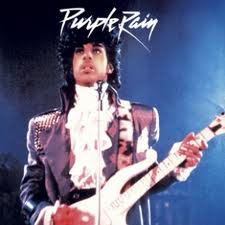
 Although Prince is no lawyer, he has hired some great ones over the years, L. Londell Mcmillan – the famous entertainment lawyer and owner of the Source R&B Magazine, and Clive Davis – the Harvard Law educated record mogul, chart-topping producer, and long time record company CEO at Sony, Arista, and J records. Prince’s legal and business maneuvers have helped him win a legal case against his estranged half-sister, got him out of an unfavorable contract with Warner Bros in 1996 to redefine his brand under a new name thus renewing interest in his art, allowed him an open record deal at Arista Records in 1999, and in 2004 his business team came up with the idea to sell his album with each concert ticket sold for his large worldwide Musicology arena tour thus bringing his album sales numbers to the top of the Sound Scan charts in an unprecedented move. Yet Prince like the King / Elvis has lost a few battles, mostly due to his poor management style and huge ego. In one case a European court ordered him to pay $2.95 million dollars to a European concert promoted he stiffed — for good or bad reasons – Prince is indeed battle-tested. Yet presently he has renegotiated a new contract with Warner Bros to re-master and remarket Purple Rain and many of his best albums of years ago and for the most part, he gets the rights to the masters which is unheard of for most artists. Purple Rain helped broaden free speech in music for today, brought about “explicit lyrics” stickers, and encouraged multiculturalism in a band that has mass appeal.
 Abstract Forward Consulting